Với hơn 10 năm kinh nghiệm về vận chuyển khí nén, Headpowder Sơn Đông cung cấp hệ thống, thiết bị và quạt gió toàn chuỗi, đảm nhận các dự án kỹ thuật bột trọn gói trên toàn quốc.
Desulfurization and dust removal processes in industrial applications generate large volumes of ash and sludge that require efficient and reliable conveying systems for safe handling and disposal. The choice of conveying method significantly impacts operational efficiency, environmental compliance, and overall project costs. This article provides a detailed comparison of common ash conveying methods used in desulfurization and dust removal systems, highlighting their advantages and disadvantages to assist engineers and facility managers in selecting the most suitable solution for their specific needs.
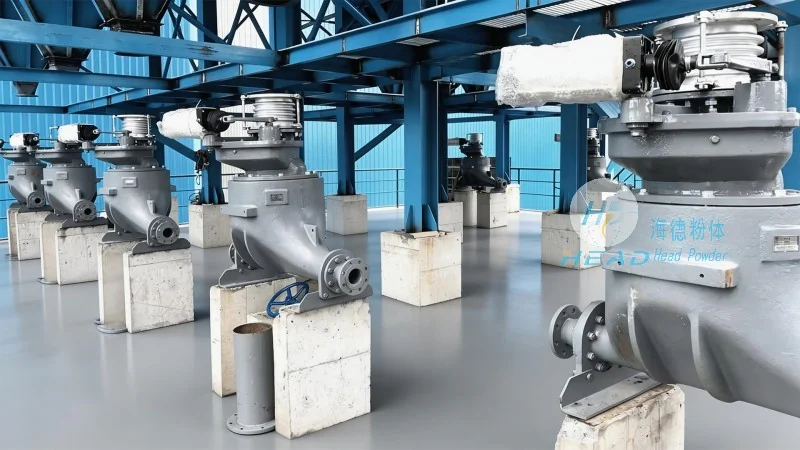
Overview of Desulfurization and Dust Removal Ash
Desulfurization and dust removal processes, such as flue gas desulfurization (FGD) and electrostatic precipitators (ESPs), produce fine particulate matter and ash residues that must be transported from collection points to storage or disposal sites. These materials often have high moisture content, abrasive properties, and varying particle sizes, making the selection of an appropriate conveying system critical. Common ash types include calcium sulfite/sulfate (from FGD), fly ash from combustion, and dust collected by air pollution control devices. The characteristics of these materials influence the choice of conveying technology, as different methods excel in handling specific properties like moisture, abrasiveness, and particle size.
Common Ash Conveying Methods
1. Pneumatic Conveying Systems
Pneumatic conveying, also known as air-powder transport, uses compressed air to transport bulk materials through a pipeline. This method is widely used for desulfurization and dust removal ash due to its ability to handle fine powders and abrasive materials. There are two main types of pneumatic conveying: dilute-phase and dense-phase. Dilute-phase systems operate at higher air velocities, typically 20-30 m/s, and are suitable for transporting fine powders over short to medium distances. Dense-phase systems use lower air velocities (5-15 m/s) and higher air-to-material ratios, which reduces material degradation and is ideal for handling abrasive or high-moisture ash. Advantages of pneumatic conveying include minimal maintenance, no moving parts in the pipeline, and the ability to transport materials vertically and horizontally. However, it has limitations, such as high energy consumption, potential for material segregation, and challenges in handling very high moisture content or sticky materials. The system also requires careful design to prevent blockages and ensure consistent flow.
2. Screw Conveyors
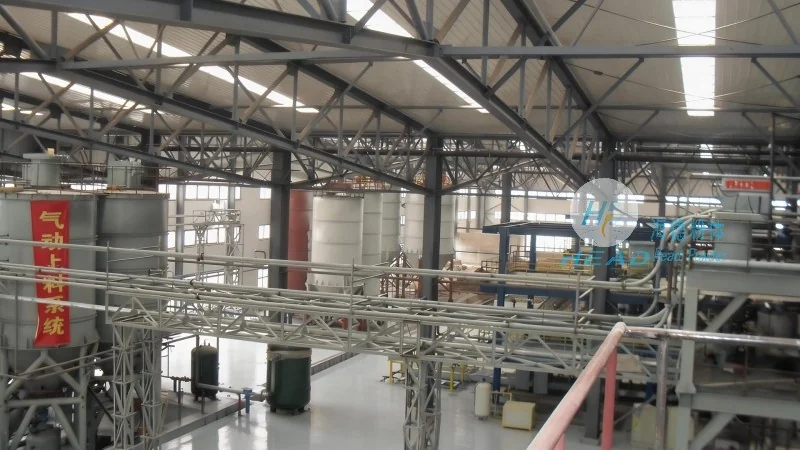
Screw conveyors, or auger conveyors, use a rotating helical screw to move materials along a trough. This method is suitable for transporting dry or semi-dry ash with moderate moisture content and particle sizes. Screw conveyors are commonly used in horizontal or slightly inclined applications due to their self-priming capability and ability to handle materials with some stickiness. Advantages include low initial cost, simple operation, and the ability to transport materials vertically with minimal power. However, screw conveyors have limitations, such as high wear on the screw and trough due to abrasive ash, potential for material degradation at high speeds, and limited capacity for very fine powders. They are also prone to clogging if the material is too sticky or contains large lumps.
3. Belt Conveyors
Belt conveyors use a continuous belt to transport materials horizontally or at a slight incline. This method is ideal for transporting bulk ash over long distances, especially in open-pit or large-scale storage facilities. Belt conveyors are capable of handling high volumes of material and are suitable for both dry and wet ash, provided the belt is designed to resist abrasion and moisture. Advantages include high capacity, low maintenance (compared to other systems), and the ability to transport materials over long distances with minimal energy loss. However, belt conveyors have drawbacks, such as high initial capital costs, the need for regular maintenance to prevent belt wear and tear, and challenges in handling very fine powders or sticky materials, which can cause belt slippage or clogging. They also require a level or gently sloped surface to operate effectively.
4. Hydraulic Conveying Systems
Hydraulic conveying uses water to transport ash through a pipeline, similar to a slurry system. This method is suitable for handling high-moisture ash and sludge, as it can effectively transport materials with high water content without clogging. Hydraulic systems are commonly used in FGD processes where the ash is mixed with water to form a slurry before transport. Advantages include the ability to handle high moisture content, reduced material degradation, and the use of existing water infrastructure. However, hydraulic conveying has limitations, such as high energy consumption due to pumping requirements, the need for filtration to prevent pipeline blockages, and challenges in handling abrasive materials, which can cause pump wear and increased maintenance costs. The system also requires careful management of water usage and disposal to comply with environmental regulations.
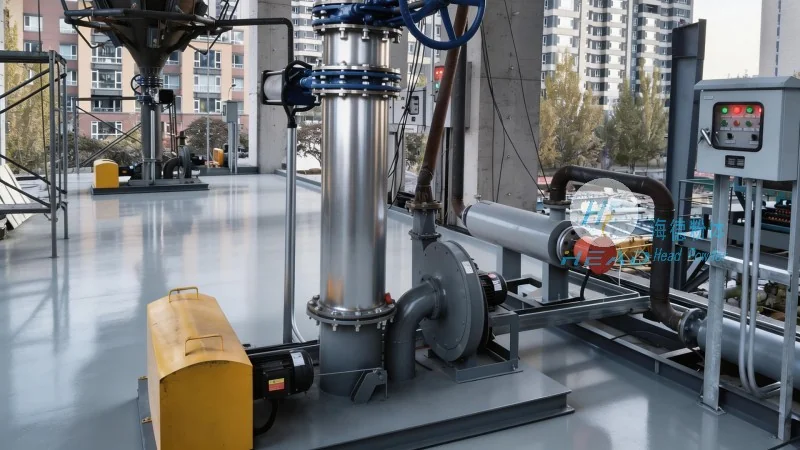
Advantages and Disadvantages Summary
When selecting an ash conveying method for desulfurization and dust removal systems, it is essential to consider the specific characteristics of the ash, the distance to be transported, and the operational requirements of the facility. Pneumatic conveying is ideal for fine, dry ash over short to medium distances, while screw conveyors are suitable for moderate volumes of dry or semi-dry ash in horizontal applications. Belt conveyors excel in long-distance transport of bulk ash, and hydraulic systems are best for high-moisture sludge. Each method has trade-offs in terms of cost, maintenance, and material handling capabilities. For example, pneumatic systems offer minimal maintenance but high energy costs, while hydraulic systems handle moisture well but require more energy and maintenance. The choice of system should align with the overall project goals, including environmental compliance, operational efficiency, and long-term cost-effectiveness.
Application of HeadPowder Engineering in Ash Conveying
Shandong HeadPowder Engineering Co., Ltd., a leading provider of industrial ash handling solutions, specializes in designing and implementing customized conveying systems for desulfurization and dust removal applications. With decades of experience in the field, HeadPowder engineers work closely with clients to assess their specific ash characteristics, transport requirements, and operational constraints. The company offers a range of solutions, including pneumatic conveying systems, screw conveyors, belt conveyors, and hydraulic slurry systems, tailored to meet the unique needs of each project. HeadPowder's expertise in material handling and process engineering ensures that their systems are optimized for efficiency, reliability, and environmental compliance. By leveraging advanced design techniques and high-quality components, HeadPowder provides durable and cost-effective solutions that enhance the performance of desulfurization and dust removal facilities. The company's commitment to customer satisfaction and technical excellence has made it a trusted partner for industrial facilities seeking to improve their ash handling operations.

 Shandong Headpowder Engineering Co., Ltd.
 156-6277-7102(Quản lý Trương)
  0531-83386006
  Thành phố Tế Nam, Tỉnh Sơn Đông, Trung Quốc
Điện thoại
WeChatTư vấn
Lên đầu