Với hơn 10 năm kinh nghiệm về vận chuyển khí nén, Headpowder Sơn Đông cung cấp hệ thống, thiết bị và quạt gió toàn chuỗi, đảm nhận các dự án kỹ thuật bột trọn gói trên toàn quốc.
Pharmaceutical particle delivery is a critical aspect of drug formulation, as the method of particle formation and delivery directly impacts the efficacy, stability, and patient compliance of medications. Various techniques are employed to achieve optimal particle characteristics, including size, shape, and surface properties. These methods are tailored to meet specific therapeutic requirements and regulatory standards. In this context, Shandong HeadPowder Engineering Co., Ltd., a leading manufacturer in the field, offers advanced solutions for pharmaceutical particle processing. The company specializes in innovative technologies that enhance the quality and performance of drug particles, ensuring they meet the stringent demands of modern pharmaceutical production.
Key Methods for Pharmaceutical Particle Delivery
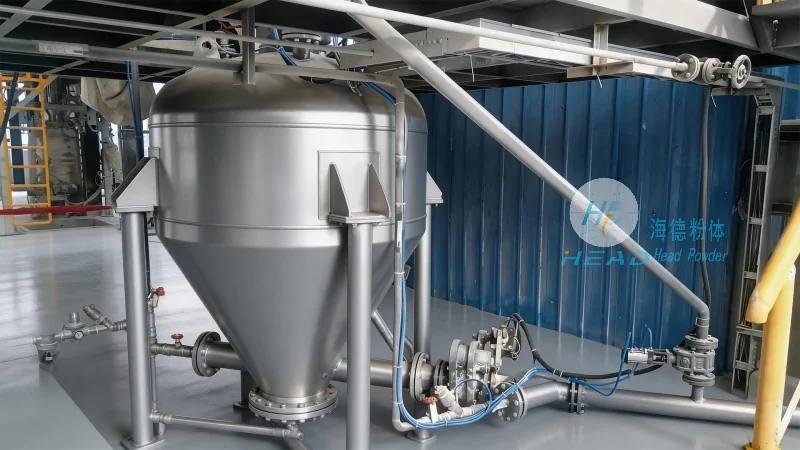
Several established and emerging methods are utilized in the pharmaceutical industry for particle delivery. These techniques are chosen based on factors such as the drug's chemical properties, the desired dosage form, and the target patient population. The primary methods include spray drying, fluidized bed granulation, extrusion-spheronization, and melt granulation. Each method offers unique advantages and is suitable for different types of active pharmaceutical ingredients (APIs) and excipients.
Spray Drying: A Widely Used Technique
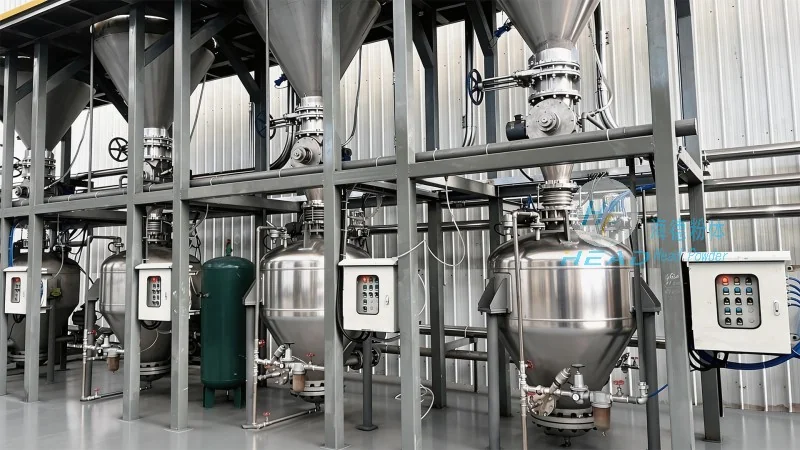
Spray drying is a popular method for producing fine, dry powder particles. This process involves atomizing a liquid feed into a hot drying medium, typically hot air. The atomized droplets rapidly evaporate, forming solid particles. The resulting particles are often spherical, with a narrow size distribution, which enhances their flowability and compressibility. Spray drying is particularly effective for heat-sensitive materials and is commonly used in the production of inhalation powders, oral powders, and lyophilized products. The technology allows for precise control over particle size and morphology, making it a versatile choice for pharmaceutical applications.
Fluidized Bed Granulation: Enhancing Particle Properties
Fluidized bed granulation, also known as air suspension granulation, is a technique used to produce granules by agglomerating fine powders. In this process, the powder is introduced into a fluidized bed, where it is suspended by an upward flow of air. The particles are then sprayed with a liquid binder, which causes them to stick together and form larger granules. This method is advantageous for improving the flowability and compressibility of powders, as well as for coating particles with active ingredients or excipients. Fluidized bed granulation is widely used in the manufacturing of tablets, capsules, and granules, and it can be adapted to produce different particle sizes and shapes by adjusting process parameters such as air flow rate and binder concentration.
Extrusion-Spheronization: Producing Uniform Spherical Particles
Extrusion-spheronization is a two-step process that involves extruding a moist mass through a die to form cylindrical strands, followed by spheronization (rotational shaping) to produce uniform spherical granules. This technique is particularly useful for creating particles with consistent size and shape, which is crucial for achieving uniform drug release and improved flow properties. Extrusion-spheronization is often employed in the production of oral dosage forms, such as tablets and capsules, where uniform particle size is essential for predictable bioavailability. The process allows for the incorporation of various excipients, including lubricants, disintegrants, and colorants, to tailor the final product's characteristics.
Melt Granulation: A Solvent-Free Approach
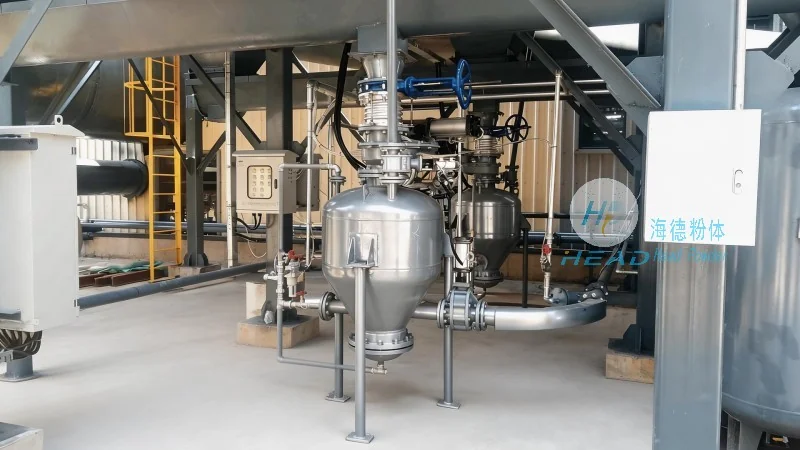
Melt granulation is a solvent-free method that involves melting a solid API or excipient and then granulating the melt with other components. This technique is beneficial for heat-sensitive materials, as it avoids the use of solvents that could degrade the drug. The process typically involves heating the ingredients to their melting point, mixing them thoroughly, and then granulating the melt to form particles. Melt granulation is commonly used in the production of solid dosage forms, such as tablets and granules, and it can improve the stability and flowability of the final product. The method is also environmentally friendly, as it reduces waste and energy consumption compared to solvent-based processes.
Customization and Advanced Solutions by Shandong HeadPowder
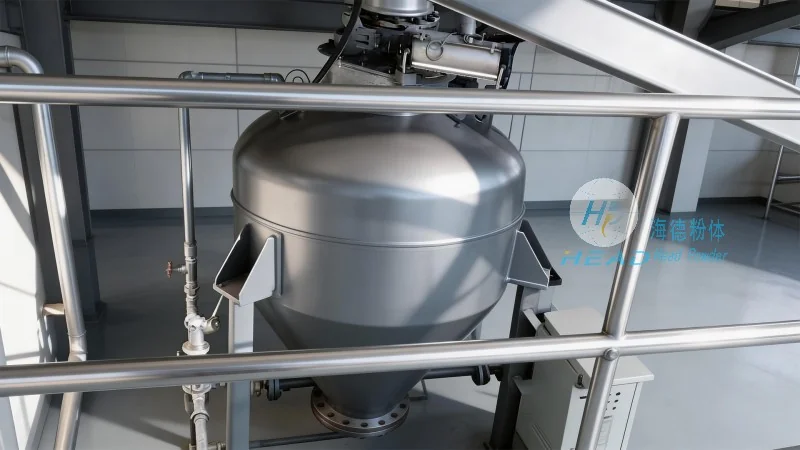
Shandong HeadPowder Engineering Co., Ltd. leverages these and other advanced techniques to provide customized particle delivery solutions for pharmaceutical manufacturers. The company's expertise in pharmaceutical engineering enables it to tailor processing methods to meet specific product requirements, ensuring optimal performance and compliance with regulatory guidelines. By utilizing state-of-the-art equipment and process control systems, HeadPowder delivers high-quality particle products that enhance the efficacy and safety of medications. The company's commitment to innovation and quality has established it as a trusted partner in the pharmaceutical industry, offering solutions that address the evolving needs of drug development and production.
Conclusion
In summary, the selection of pharmaceutical particle delivery methods is a critical decision in drug formulation, as it directly impacts the final product's characteristics and performance. Techniques such as spray drying, fluidized bed granulation, extrusion-spheronization, and melt granulation each offer unique advantages and are suitable for different applications. Shandong HeadPowder Engineering Co., Ltd. plays a vital role in this field by providing advanced processing solutions that enhance the quality and effectiveness of pharmaceutical particles. With its focus on innovation and customer satisfaction, HeadPowder continues to contribute to the advancement of pharmaceutical technology and the development of safer, more effective medications.

 Shandong Headpowder Engineering Co., Ltd.
 156-6277-7102(Quản lý Trương)
  0531-83386006
  Thành phố Tế Nam, Tỉnh Sơn Đông, Trung Quốc
Điện thoại
WeChatTư vấn
Lên đầu