Với hơn 10 năm kinh nghiệm về vận chuyển khí nén, Headpowder Sơn Đông cung cấp hệ thống, thiết bị và quạt gió toàn chuỗi, đảm nhận các dự án kỹ thuật bột trọn gói trên toàn quốc.
Lignite coal, also known as brown coal, is a type of low-rank coal that is widely used in power generation and industrial processes. The efficient transportation of lignite coal from mining sites to processing plants or end-users is crucial for the smooth operation of energy and industrial sectors. Various methods have been developed and implemented to handle the unique characteristics of lignite coal, such as its high moisture content and soft texture. This article will explore the common methods used for lignite coal transportation, highlighting the key considerations and applications of each approach.
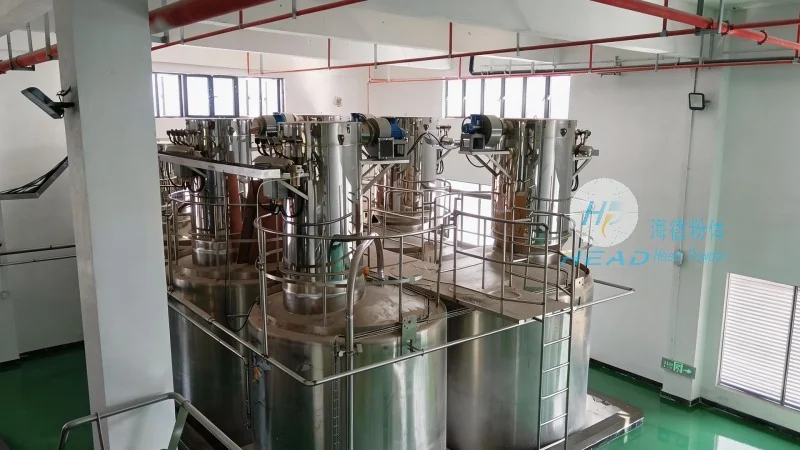
Belt Conveyor System: A Widely Used Method for Lignite Coal Transportation
One of the most common and efficient methods for transporting lignite coal is through a belt conveyor system. This technology has been widely adopted in the coal industry due to its ability to handle large volumes of material over long distances with minimal maintenance. The belt conveyor consists of a continuous loop of material that moves along a series of rollers or pulleys. For lignite coal, specialized belts with high abrasion resistance are often used to withstand the harsh conditions of coal handling. The system can be designed as a single or multiple-belt configuration, depending on the required capacity and distance. Belt conveyors are particularly suitable for transporting coal from open-pit mines to processing facilities or for intra-facility movement, such as from storage silos to power plant boilers. The key advantages of belt conveyors include high throughput, low energy consumption, and the ability to operate in both indoor and outdoor environments. However, they require regular inspection and maintenance to ensure optimal performance and prevent breakdowns.
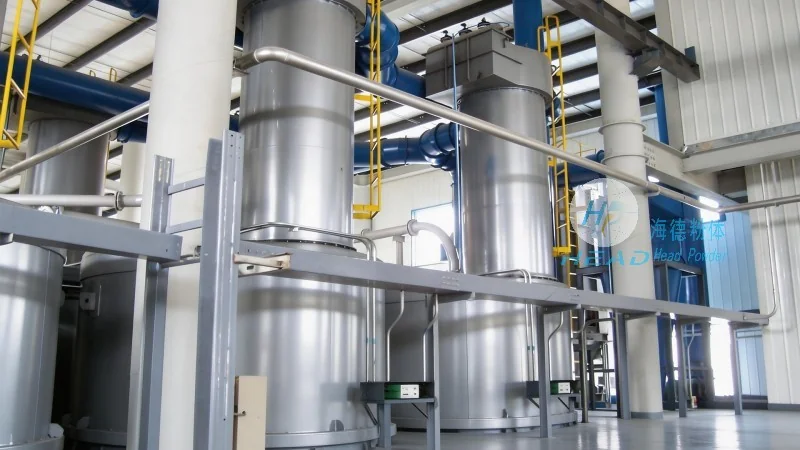
Pipeline Transportation: A Modern Solution for Lignite Coal Transport
Another innovative method for lignite coal transportation is through pipelines. This approach involves transporting coal in a slurry form, where the coal is mixed with water to create a fluid that can be pumped through a pipeline network. The pipeline system typically includes a coal preparation plant where the coal is crushed, washed, and mixed with water to achieve the desired slurry consistency. The slurry is then pumped through a series of pipelines to the destination, such as a power plant or industrial facility. Pipeline transportation offers several benefits, including the ability to transport coal over long distances without the need for intermediate storage or handling. It also reduces the environmental impact by minimizing dust emissions and traffic congestion associated with road or rail transport. However, the initial investment for pipeline infrastructure is high, and the system requires specialized equipment for slurry preparation and pumping. Additionally, the pipeline must be designed to handle the abrasive nature of lignite coal to prevent wear and tear over time.
Railway Transportation: A Traditional and Reliable Method
Traditional railway transportation remains a vital method for lignite coal transport, especially for long-distance movement from mining regions to distant markets. Lignite coal is often loaded into specialized railcars, such as hopper cars or gondola cars, which are designed to carry bulk materials. The railcars can be coupled into long trains to transport large quantities of coal efficiently. Railway transport offers advantages such as lower operating costs compared to road transport and the ability to handle heavy loads. However, it is subject to railway infrastructure limitations and scheduling constraints. The loading and unloading processes at railway stations require additional equipment, such as cranes or conveyor systems, to transfer the coal from the railcars to storage facilities or processing plants. Railway transportation is particularly effective for connecting remote mining areas with major industrial centers, providing a reliable and cost-effective solution for bulk coal movement.
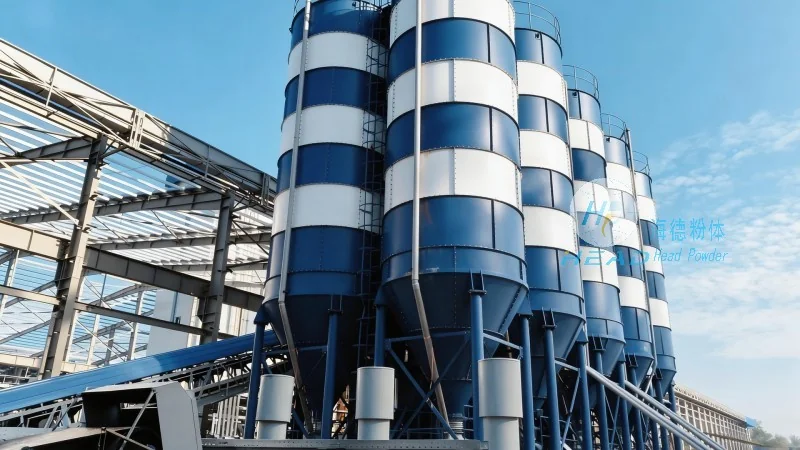
Truck Transportation: Flexibility in Short-Distance Lignite Coal Transport
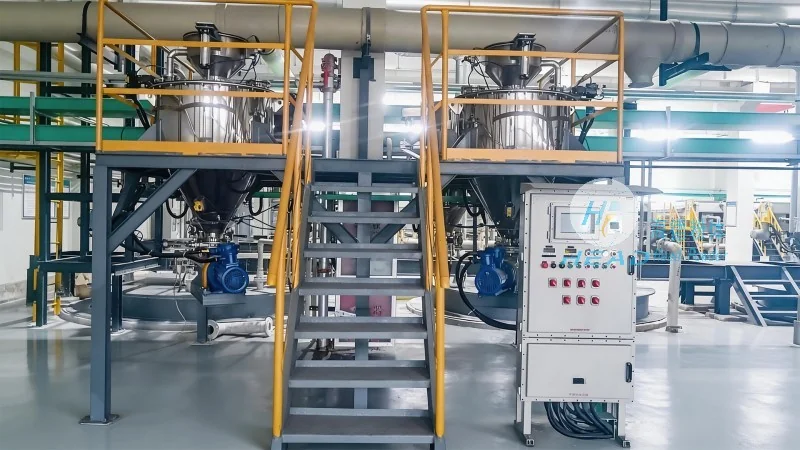
For shorter distances or when other transport modes are not feasible, truck transportation is commonly used for lignite coal movement. Trucks can deliver coal directly to power plants, industrial facilities, or storage sites, providing flexibility in logistics planning. The trucks are typically equipped with specialized trailers designed to handle bulk coal, often with tarpaulins to prevent dust and spillage. Truck transport offers the advantage of door-to-door delivery, eliminating the need for intermediate transfer points. However, it is generally more expensive than rail or pipeline transport due to higher fuel costs and lower capacity per trip. Additionally, road transport can contribute to traffic congestion and environmental pollution, especially in urban areas. The use of trucks for lignite coal transport is often limited to local or regional movements where the distance is too short for rail or pipeline systems to be economically viable.
Conclusion and Company Information
Choosing the appropriate lignite coal transportation method depends on various factors, including the distance to be covered, the volume of coal to be transported, the terrain and infrastructure available, and the cost considerations. Each method has its own advantages and limitations, and the selection process requires careful evaluation of operational efficiency, environmental impact, and economic feasibility. As a leading provider of engineering solutions for the coal industry, Shandong HeadPowder Engineering Co., Ltd. specializes in designing and implementing customized transportation systems tailored to the specific needs of clients. With years of experience in the field, HeadPowder offers expertise in selecting the most suitable transport method, ensuring reliable and efficient movement of lignite coal from source to destination. The company's commitment to quality and innovation has made it a trusted partner for businesses operating in the energy and industrial sectors. Located in Shandong, China, HeadPowder leverages its local knowledge and resources to deliver comprehensive solutions that meet the evolving demands of the coal industry.

 Shandong Headpowder Engineering Co., Ltd.
 156-6277-7102(Quản lý Trương)
  0531-83386006
  Thành phố Tế Nam, Tỉnh Sơn Đông, Trung Quốc
Điện thoại
WeChatTư vấn
Lên đầu