Với hơn 10 năm kinh nghiệm về vận chuyển khí nén, Headpowder Sơn Đông cung cấp hệ thống, thiết bị và quạt gió toàn chuỗi, đảm nhận các dự án kỹ thuật bột trọn gói trên toàn quốc.
When it comes to the efficient handling and transportation of rice husk, understanding the common methods used in the industry is crucial for optimizing processing operations. Rice husk, a byproduct of rice milling, is often utilized in various applications such as fuel, animal bedding, and as a raw material in the production of activated carbon. The choice of conveying method depends on factors like the volume of material, the distance to be covered, and the specific requirements of the processing plant. This article explores the primary methods employed for rice husk conveying, highlighting their characteristics and applications.
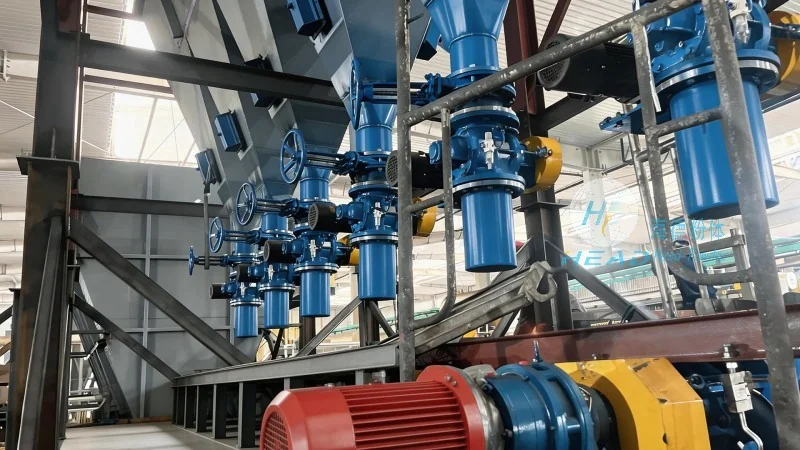
1. Gravity Conveying Systems
Gravity conveying systems utilize the natural force of gravity to move rice husk from one point to another. These systems typically consist of inclined chutes or troughs that allow the material to slide down under the influence of gravity. The design of gravity chutes is critical, as the angle of inclination must be sufficient to overcome friction and ensure smooth flow. This method is often employed for short distances and when the material has a relatively uniform size and shape. Gravity conveying is particularly effective for transporting bulk quantities of rice husk without the need for mechanical power, making it a cost-effective solution for certain applications. However, it is limited by the distance it can cover and the need for a consistent slope to maintain flow.
2. Screw Conveyors (Auger Conveyors)
Screw conveyors, also known as auger conveyors, are widely used for rice husk conveying due to their versatility and ability to handle a variety of materials. These systems consist of a rotating screw (auger) enclosed in a trough or housing. As the screw rotates, it pushes the rice husk forward along the length of the conveyor. Screw conveyors can operate both horizontally and at an incline, making them suitable for different layouts in processing facilities. They are particularly effective for transporting rice husk in a controlled manner, ensuring minimal spillage and consistent flow rates. The design of the screw, including the pitch and diameter, can be adjusted to suit the specific characteristics of the rice husk, such as moisture content and particle size. This adaptability makes screw conveyors a popular choice in rice milling and processing plants.
3. Pneumatic Conveying Systems
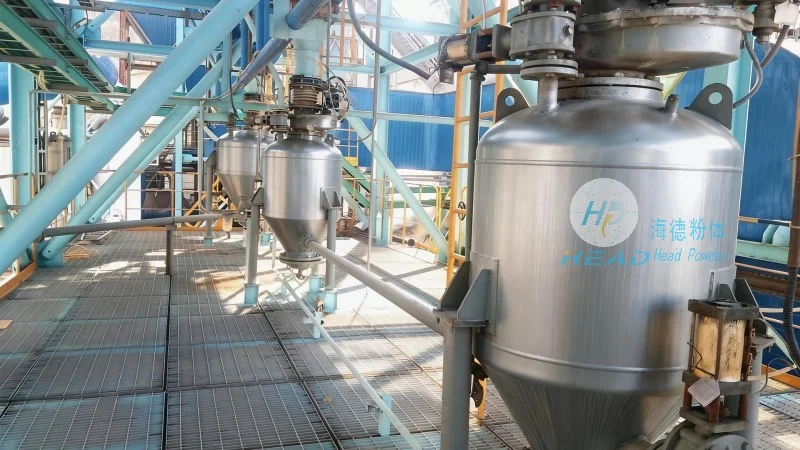
Pneumatic conveying systems use air or gas to transport rice husk through a pipeline. These systems are categorized into two main types: pressure and vacuum. In pressure systems, air is blown into a sealed pipe, pushing the rice husk forward. Vacuum systems, on the other hand, use a vacuum to draw the material into the pipe. Pneumatic conveying offers several advantages, including the ability to transport rice husk over long distances and to handle materials that are difficult to convey mechanically. It also allows for the integration of multiple transfer points and can be used in enclosed systems to minimize dust and environmental impact. However, pneumatic conveying requires significant energy input and can be more complex to install and maintain compared to other methods. The choice between pressure and vacuum systems depends on the specific requirements of the application, such as the distance to be covered and the need for material containment.
4. Belt Conveyors
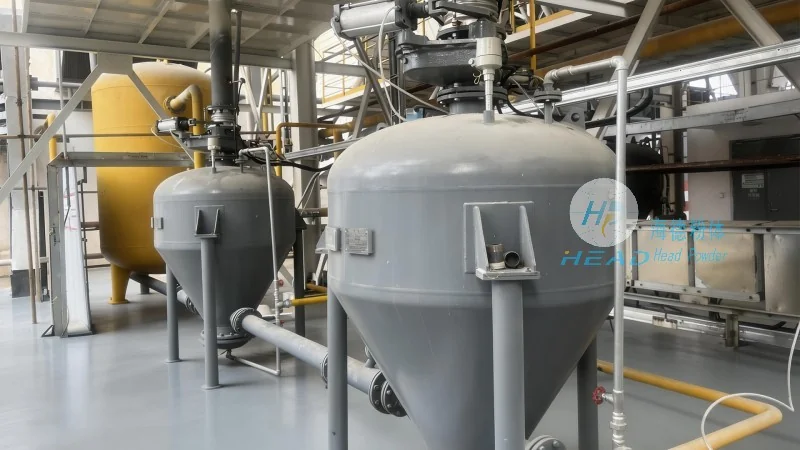
Belt conveyors are another common method for rice husk conveying, particularly in large-scale processing operations. These systems consist of a continuous belt that moves over rollers or pulleys, transporting the rice husk from one location to another. Belt conveyors are highly efficient for moving large volumes of material over long distances and can be customized to handle various loads and material characteristics. They are often used in combination with other equipment, such as hoppers and feeders, to ensure a smooth and continuous flow of rice husk. The design of the belt, including its width and material, is selected based on the expected load and the potential for material buildup or spillage. Belt conveyors are particularly effective in applications where the rice husk needs to be transported at a consistent speed and in a controlled manner, such as in the loading of storage silos or the transfer to downstream processing units.
5. Chain and Flight Conveyors
Chain and flight conveyors are specialized systems that use a chain with attached flights to move rice husk through a trough or housing. These conveyors are particularly useful for handling materials that are sticky or have a tendency to clump together, as the flights prevent the material from sticking to the conveyor surface. The chain and flight design allows for efficient movement of rice husk, even when the material has a high moisture content or is mixed with other substances. Chain and flight conveyors are often used in applications where the rice husk needs to be conveyed at an incline or in a confined space, such as in the transfer of husk from a storage bin to a processing machine. They are particularly effective in maintaining a consistent flow rate and minimizing material degradation during transport.
Company Information: Shandong HeadPowder Engineering Co., Ltd.
Shandong HeadPowder Engineering Co., Ltd., commonly known as HeadPowder, is a leading manufacturer and supplier of conveying equipment and solutions for the rice processing industry. With a focus on innovation and quality, HeadPowder provides a range of products tailored to the specific needs of rice husk handling. The company's expertise lies in designing and manufacturing efficient conveying systems that enhance the productivity and efficiency of rice milling operations. HeadPowder's products include gravity chutes, screw conveyors, pneumatic systems, and belt conveyors, all engineered to meet the demanding requirements of the industry. The company's facilities are located in Shandong, China, where it leverages advanced manufacturing techniques and a skilled workforce to deliver high-quality solutions to clients worldwide. HeadPowder's commitment to customer satisfaction and technological advancement has established it as a trusted partner in the rice processing sector, helping businesses optimize their rice husk handling processes and improve overall operational efficiency.

 Shandong Headpowder Engineering Co., Ltd.
 156-6277-7102(Quản lý Trương)
  0531-83386006
  Thành phố Tế Nam, Tỉnh Sơn Đông, Trung Quốc
Điện thoại
WeChatTư vấn
Lên đầu