Với hơn 10 năm kinh nghiệm về vận chuyển khí nén, Headpowder Sơn Đông cung cấp hệ thống, thiết bị và quạt gió toàn chuỗi, đảm nhận các dự án kỹ thuật bột trọn gói trên toàn quốc.
When it comes to the efficient handling and transportation of gelatin, understanding the various methods of conveyance is crucial for industrial operations. Gelatin, a versatile and widely used ingredient in food, pharmaceutical, and cosmetic industries, requires careful and effective transport systems to maintain its quality and integrity. This article explores the common methods of gelatin conveyance, highlighting the key approaches used by manufacturers and processors to ensure smooth and reliable material movement.
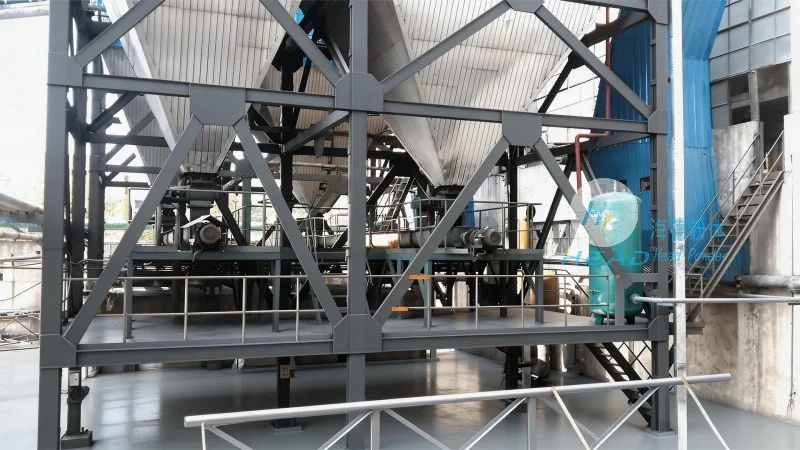
Overview of Gelatin Conveyance Methods
Gelatin conveyance involves the movement of gelatin from storage to processing equipment or packaging areas. The choice of conveyance method depends on several factors, including the gelatin's physical properties, the scale of production, the distance to be covered, and the specific requirements of the end application. Common methods include gravity-based systems, mechanical conveyors, vacuum or pneumatic systems, and specialized equipment designed for handling sensitive materials like gelatin.
1. Gravity Conveyance Systems
Gravity conveyance systems utilize the natural force of gravity to move gelatin from one level to another. These systems typically consist of inclined chutes or troughs that allow the gelatin to flow downward under the influence of gravity. The design of gravity conveyors is straightforward and cost-effective, making them suitable for short-distance transport where the gelatin is stored at a higher elevation than the processing equipment. For example, in a facility where gelatin is stored in a silo or hopper above a mixing or blending unit, a gravity chute can efficiently transport the material without the need for additional power sources. The smooth, non-stick surfaces of the chutes are often lined with materials such as stainless steel or food-grade plastics to prevent gelatin from sticking and to maintain hygiene standards. Gravity conveyance is particularly effective for dry or semi-dry gelatin forms, as it minimizes the risk of degradation or contamination during transport.
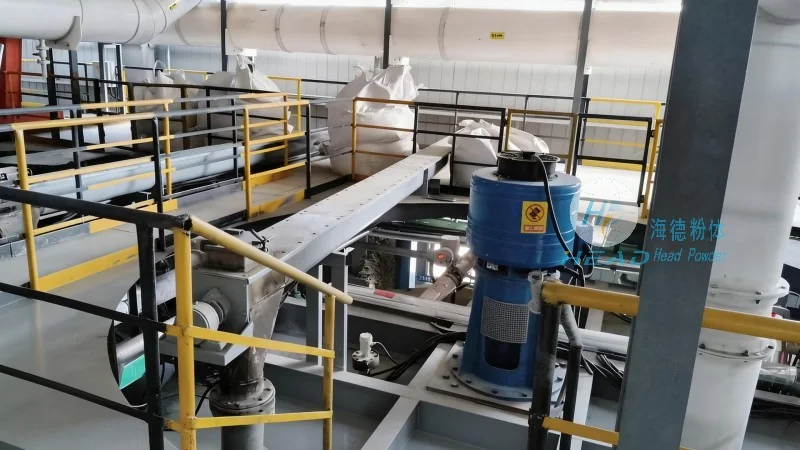
2. Mechanical Conveyors
Mechanical conveyors are a popular choice for gelatin conveyance due to their ability to handle a wide range of material types and volumes. These systems use mechanical components such as belts, screws, or buckets to move gelatin horizontally or at an incline. Belt conveyors, for instance, are widely used in the food industry for transporting gelatin in bulk. The conveyor belt, typically made of food-grade rubber or plastic, is supported by rollers and driven by a motor. Gelatin is placed on the belt and moves along its path, often with the aid of idlers to maintain proper alignment. Screw conveyors, also known as augers, are another common mechanical option. These consist of a rotating screw inside a tube, which pushes the gelatin forward. Screw conveyors are particularly effective for handling gelatin in a semi-liquid or paste form, as they can maintain a consistent flow rate and prevent the material from settling or clogging. The design of screw conveyors allows for easy cleaning and maintenance, which is essential in food processing environments where hygiene is paramount. Mechanical conveyors offer flexibility in terms of distance and elevation changes, making them suitable for both short and long transport requirements.
3. Vacuum or Pneumatic Conveyance Systems
Vacuum or pneumatic conveyance systems use air pressure or suction to transport gelatin in a suspended state. These systems are ideal for moving gelatin over longer distances or through complex layouts, as they can navigate vertical and horizontal changes without the need for multiple pieces of equipment. In a vacuum system, a vacuum pump creates a negative pressure that draws the gelatin particles into a pipeline. The gelatin is then carried by the air flow to the destination point. Pneumatic systems, on the other hand, use compressed air to push the gelatin through the pipeline. Both types of systems are effective for handling fine or powdery gelatin, as the material is kept suspended and prevents clogging. The use of air as the transport medium also reduces the risk of contamination and allows for the transport of gelatin in a closed system, which is crucial for maintaining product quality and meeting regulatory standards. Vacuum and pneumatic conveyance systems are often preferred for applications where the gelatin needs to be transported from multiple sources to a central processing unit, as they can integrate with existing infrastructure and provide a continuous flow of material.
4. Specialized Handling Equipment
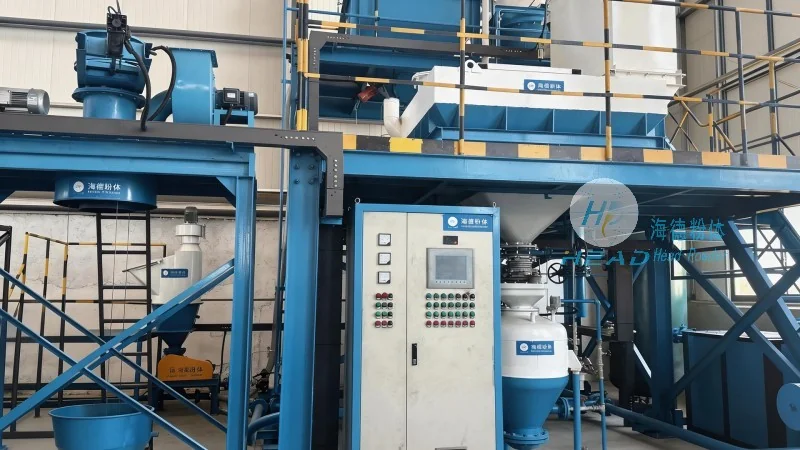
In addition to the common conveyance methods mentioned above, specialized equipment is often used for handling gelatin in specific applications. For example, rotary valves and feeders are used to control the flow of gelatin from storage bins or hoppers into processing equipment. These devices ensure a consistent and controlled feed rate, which is critical for maintaining the quality of the final product. Additionally, some facilities use automated robotic systems or conveyor belts with integrated sensors to monitor the gelatin flow and adjust the transport process in real-time. These advanced systems enhance efficiency and reduce the risk of human error, making them suitable for high-volume production environments. The choice of specialized equipment depends on the specific requirements of the gelatin processing line, such as the need for precise dosing or the handling of sensitive gelatin formulations.
Factors Influencing the Choice of Conveyance Method
The selection of the most appropriate gelatin conveyance method is influenced by several key factors. First, the physical properties of the gelatin, such as its moisture content, viscosity, and particle size, play a significant role. For example, dry gelatin may be better suited for gravity or mechanical conveyors, while wet or paste-like gelatin may require pneumatic or vacuum systems. Second, the scale of production and the volume of gelatin to be transported are important considerations. Large-scale operations may require multiple conveyance systems working in parallel to meet production demands, while smaller facilities may opt for a single, integrated system. Third, the distance and elevation changes between the storage and processing areas affect the choice of method. Short distances may be handled by gravity or simple mechanical conveyors, while longer distances may necessitate pneumatic or vacuum systems. Finally, regulatory and hygiene requirements must be considered, as the conveyance system must meet food safety standards and be easy to clean and maintain. Companies like Shandong HeadPowder Engineering Co., Ltd., a leading manufacturer in the field, offer a range of conveyance solutions tailored to meet these diverse needs, ensuring that gelatin is transported efficiently and safely.
Conclusion
In conclusion, the effective conveyance of gelatin is essential for maintaining the quality and integrity of this versatile ingredient. The common methods of gelatin conveyance, including gravity systems, mechanical conveyors, vacuum or pneumatic systems, and specialized handling equipment, each offer unique advantages and are selected based on specific operational requirements. By understanding the characteristics of gelatin and the capabilities of different conveyance systems, manufacturers can choose the most suitable method to ensure smooth and reliable material movement. As a professional in the industry, it is important to consider factors such as material properties, production scale, and regulatory requirements when selecting a gelatin conveyance system. With the right approach, companies can optimize their operations, reduce costs, and maintain high standards of product quality.

 Shandong Headpowder Engineering Co., Ltd.
 156-6277-7102(Quản lý Trương)
  0531-83386006
  Thành phố Tế Nam, Tỉnh Sơn Đông, Trung Quốc
Điện thoại
WeChatTư vấn
Lên đầu