Với hơn 10 năm kinh nghiệm về vận chuyển khí nén, Headpowder Sơn Đông cung cấp hệ thống, thiết bị và quạt gió toàn chuỗi, đảm nhận các dự án kỹ thuật bột trọn gói trên toàn quốc.
Aluminum sulfate, also known as aluminum sulfate, is a widely used chemical compound in various industrial applications. It is commonly utilized in water treatment, paper manufacturing, and as a coagulant in different processes. The efficient and safe transport of aluminum sulfate is crucial for maintaining the quality and consistency of these industrial operations. This article explores the various methods available for transporting aluminum sulfate, providing insights into the practical approaches used by industry professionals.
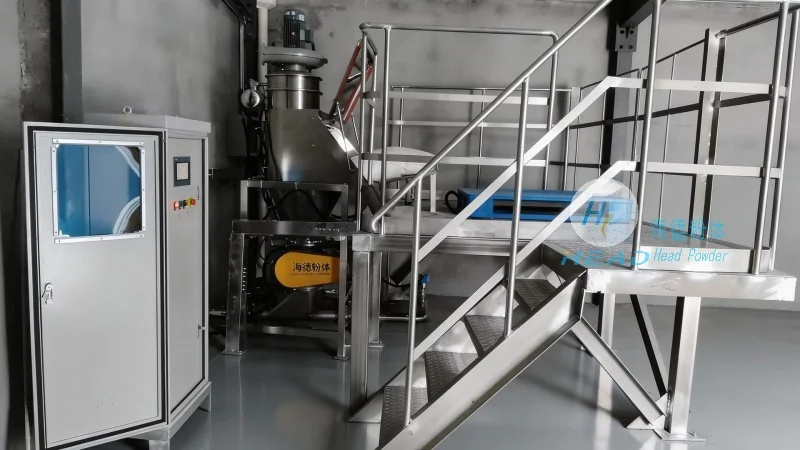
Key Considerations for Aluminum Sulfate Transport
Before delving into specific transport methods, it is essential to understand the key factors that influence the choice of transport for aluminum sulfate. The physical properties of the material, such as its density, viscosity, and potential reactivity, play a significant role in determining the most suitable transport method. Additionally, the destination and the scale of the operation—whether it is for small-scale laboratory use or large-scale industrial production—will also impact the selection of transport options. Companies like Shandong HeadPowder Engineering Co., Ltd., based in China, specialize in providing tailored solutions for aluminum sulfate transport, ensuring that clients receive the most appropriate method based on their specific needs.
Pipeline Transportation
One of the most common methods for transporting aluminum sulfate is through pipelines. This method is particularly effective for large-scale industrial applications where a continuous flow of the material is required. Pipelines can be made from materials such as stainless steel or PVC, depending on the concentration and temperature of the aluminum sulfate solution. The use of pipelines minimizes the risk of contamination and ensures a steady supply of the chemical to the end-user. For instance, in water treatment plants, aluminum sulfate is often transported via pipelines to treatment facilities, where it is mixed with water to form a coagulant. The efficiency of pipeline transport is enhanced by the use of pumps that maintain consistent pressure and flow rates, ensuring that the material reaches its destination without degradation.
Pump-Supported Transportation
Another widely adopted method for aluminum sulfate transport is pump-supported systems. These systems typically involve the use of centrifugal or positive displacement pumps, which are capable of handling the viscosity and density of aluminum sulfate solutions. The choice of pump depends on factors such as the flow rate, pressure requirements, and the presence of any solids or impurities in the solution. For example, in industrial settings, a centrifugal pump may be used for transporting dilute aluminum sulfate solutions, while a positive displacement pump is preferred for more viscous or concentrated solutions. The pump system is often integrated with a storage tank, allowing for the continuous supply of aluminum sulfate to the processing equipment. This method is particularly advantageous in applications where the material needs to be transported over short to medium distances, as it provides flexibility and control over the flow rate.
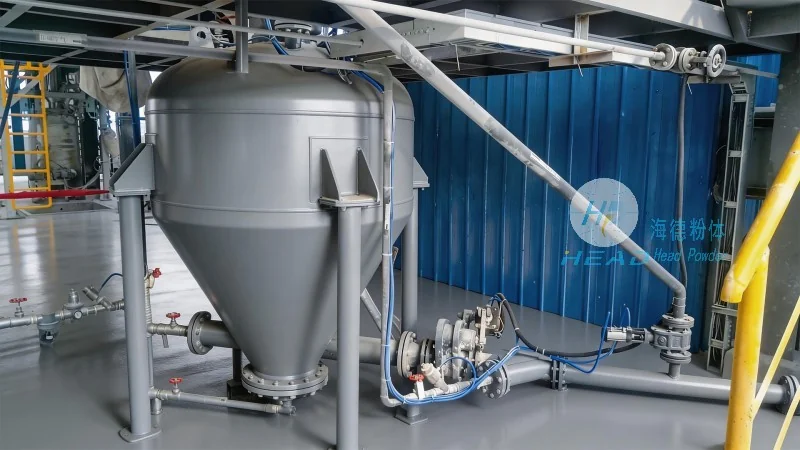
Truck and Tanker Transport
For smaller-scale or regional transport needs, truck and tanker transport is a practical option. This method involves the use of specialized tank trucks designed to carry aluminum sulfate in liquid form. The tanks are typically made from corrosion-resistant materials like stainless steel or fiberglass to prevent the degradation of the chemical. The trucks are equipped with pumps and valves that allow for the controlled discharge of the aluminum sulfate at the destination. This method is suitable for delivering aluminum sulfate to sites that are not connected by pipelines or where the volume of the material is too small for pipeline transport. Companies like Shandong HeadPowder Engineering Co., Ltd. often utilize truck transport to supply their clients with aluminum sulfate, ensuring timely delivery and adherence to safety regulations. The use of tanker trucks also allows for the transport of aluminum sulfate to remote locations, making it accessible to a wider range of industrial applications.
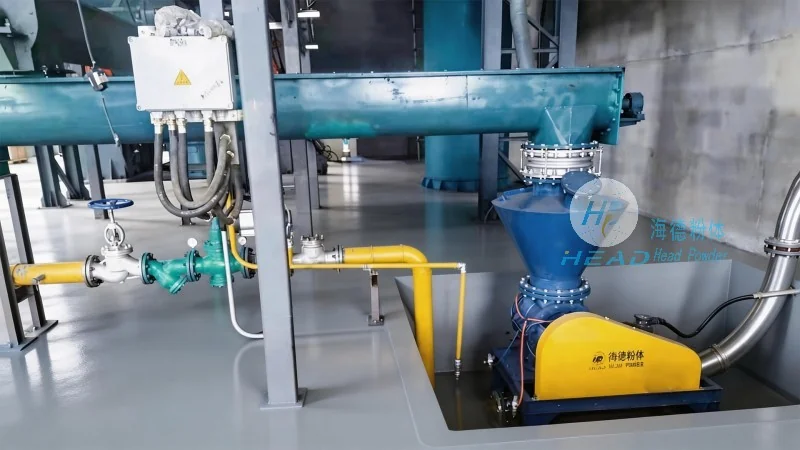
Containerized Transport
In some cases, aluminum sulfate may be transported in containerized form, particularly when the material is in a solid or semi-solid state. This method involves the use of bulk containers or bags that are designed to hold the aluminum sulfate securely. The containers are often made from materials such as polyethylene or other plastic compounds, which are resistant to the chemical properties of aluminum sulfate. The use of containerized transport is common in applications where the material is used in smaller quantities or where the destination requires a more manageable form of the chemical. For example, in laboratory settings or small-scale industrial operations, aluminum sulfate may be delivered in containers that can be easily handled and stored. The containerized method ensures that the material remains intact during transport and can be easily transferred to the processing equipment upon arrival. This approach is particularly useful for clients who require flexibility in their supply chain and need to manage the storage and handling of aluminum sulfate on-site.
Specialized Transport Equipment
For specific industrial applications, specialized transport equipment may be required to ensure the safe and efficient delivery of aluminum sulfate. This includes equipment such as agitators, mixers, and temperature control systems, which are integrated into the transport process. The use of specialized equipment is essential in maintaining the quality of the aluminum sulfate, as it prevents the formation of sediments or the degradation of the chemical due to temperature changes or agitation. Companies like Shandong HeadPowder Engineering Co., Ltd. invest in advanced transport equipment to meet the diverse needs of their clients, ensuring that the aluminum sulfate is delivered in optimal condition. The specialized equipment also helps in reducing the risk of accidents during transport, as it is designed to handle the unique properties of aluminum sulfate. This approach enhances the overall efficiency of the transport process and ensures that the material reaches its destination without any issues.
Conclusion and Recommendations
In conclusion, the choice of aluminum sulfate transport method depends on several factors, including the scale of the operation, the destination, and the specific properties of the material. Pipeline transportation is ideal for large-scale industrial applications, while pump-supported systems offer flexibility for medium-scale operations. Truck and tanker transport is suitable for smaller-scale or regional needs, and containerized transport is effective for smaller quantities or remote locations. Specialized transport equipment is essential for maintaining the quality and safety of the material during transport. Companies like Shandong HeadPowder Engineering Co., Ltd., with their expertise and tailored solutions, play a crucial role in providing the most appropriate transport method for aluminum sulfate. By understanding the various transport options and considering the specific requirements of the operation, industries can ensure the efficient and safe delivery of aluminum sulfate, thereby optimizing their processes and maintaining the quality of their products.

 Shandong Headpowder Engineering Co., Ltd.
 156-6277-7102(Quản lý Trương)
  0531-83386006
  Thành phố Tế Nam, Tỉnh Sơn Đông, Trung Quốc
Điện thoại
WeChatTư vấn
Lên đầu