Với hơn 10 năm kinh nghiệm về vận chuyển khí nén, Headpowder Sơn Đông cung cấp hệ thống, thiết bị và quạt gió toàn chuỗi, đảm nhận các dự án kỹ thuật bột trọn gói trên toàn quốc.
When it comes to the transportation of magnesium silicate, selecting the appropriate method is crucial for ensuring efficiency, safety, and cost-effectiveness in industrial operations. Magnesium silicate, a versatile material used in various applications such as construction, agriculture, and chemical manufacturing, requires careful handling due to its physical properties like bulk density and flow characteristics. The choice of transportation method depends on factors including the quantity of material, distance of transport, and the specific end-use requirements.
Common Transportation Methods for Magnesium Silicate
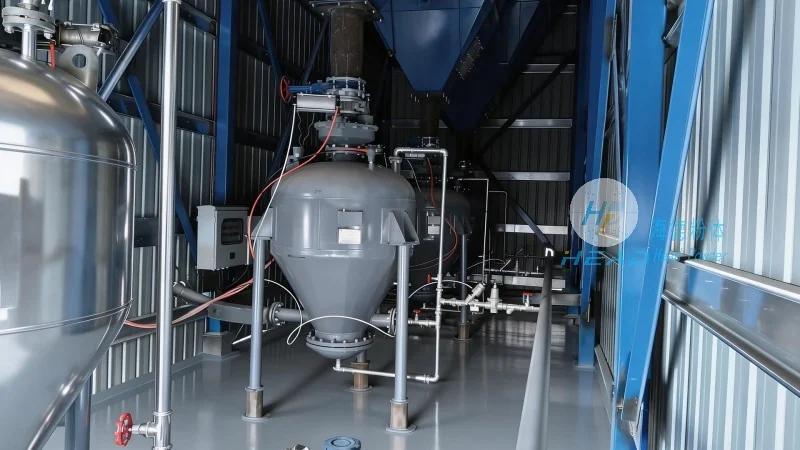
There are several established methods for transporting magnesium silicate, each with its own advantages and suitable applications. The primary options include bulk handling via trucks, rail, or waterways, as well as specialized equipment like conveyor systems and pneumatic conveyors. Each method is designed to address different logistical needs while maintaining the integrity of the material.
Bulk Truck Transportation
Bulk truck transportation is one of the most common and flexible methods for moving magnesium silicate over short to medium distances. Trucks equipped with specialized trailers, such as bulk tankers or hopper trucks, are used to transport the material in its loose, bulk form. This method allows for direct delivery to construction sites, manufacturing facilities, or distribution centers, minimizing handling steps and reducing the risk of material degradation. The flexibility of truck transport also enables timely deliveries, which is essential for meeting production schedules in industries like construction and chemical processing.
Railway Transportation
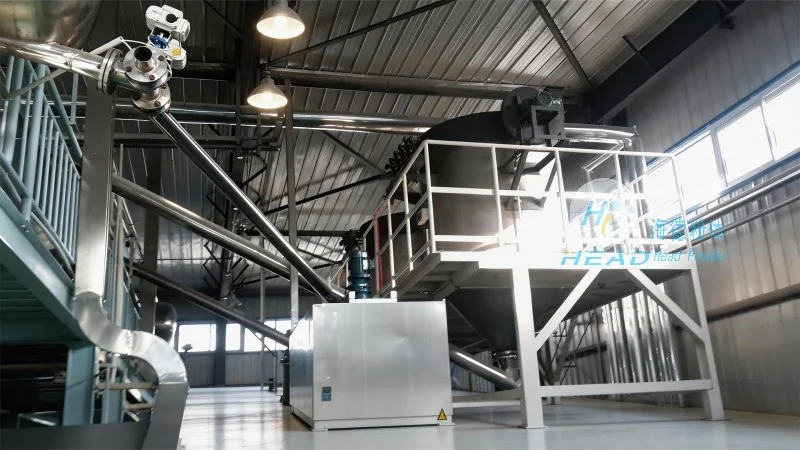
For longer distances and larger quantities, railway transportation offers a cost-effective solution. Specialized railcars, including covered hoppers or bulk freight cars, are used to transport magnesium silicate. This method is particularly advantageous for moving large volumes of material between regions or across countries, as it reduces fuel consumption per ton compared to road transport. Rail transport also provides a stable and secure environment for the material, minimizing the risk of spillage or contamination during transit. However, the fixed schedule and limited access points of rail networks may require additional logistics planning to ensure timely delivery.
Waterway Transportation
Waterway transportation, such as barge or ship transport, is suitable for moving magnesium silicate over long distances, especially when the material is sourced from coastal or riverine regions. This method is highly cost-effective for large-scale shipments and can accommodate very high volumes of material. The use of covered barges or specialized cargo ships helps protect the material from weather conditions and moisture, preserving its quality during transit. Waterway transport is also environmentally friendly compared to road or rail transport, as it produces lower emissions per ton of material transported. However, the reliance on waterways may limit the accessibility of certain inland locations, requiring additional transportation steps like trucking from the port to the final destination.
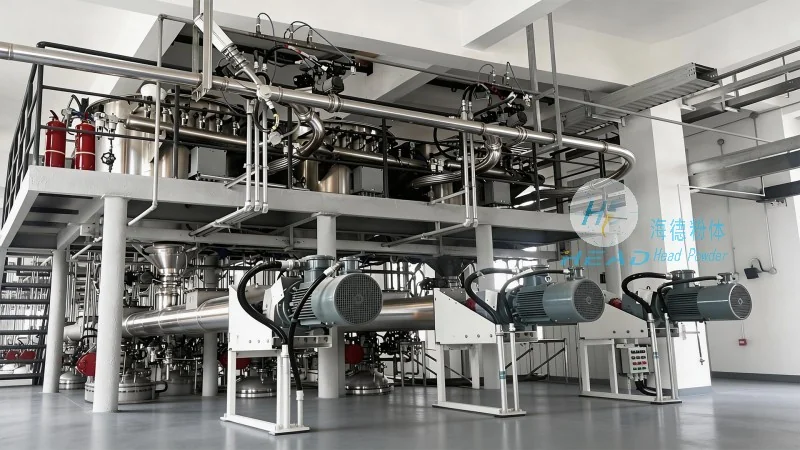
Pneumatic Conveying Systems
Pneumatic conveying systems use air pressure to transport magnesium silicate in a closed system, making them ideal for applications requiring minimal dust generation and precise control over material flow. These systems are commonly used in industrial settings where the material needs to be moved from a storage silo to processing equipment or packaging lines. Pneumatic conveyors can handle both dry and slightly moist magnesium silicate, and they are particularly effective for short to medium distances within a facility. The enclosed design of these systems helps maintain material quality and reduces the risk of contamination from external sources. However, the initial investment and energy consumption of pneumatic conveying systems may be higher compared to other bulk transport methods.
Conveyor Belt Systems
Conveyor belt systems are another common method for transporting magnesium silicate, especially in manufacturing plants or processing facilities. These systems use a continuous belt to move the material from one location to another, often over elevated or inclined paths. Conveyor belts are suitable for both dry and slightly wet magnesium silicate and can handle high volumes of material with minimal labor. They are particularly effective for moving material over long distances within a facility, such as from a storage area to a production line. The use of conveyor belts reduces the need for manual handling and minimizes the risk of material spillage or accidents. However, the installation and maintenance costs of conveyor systems may be significant, and they may not be suitable for very large or heavy shipments.
Factors Influencing the Choice of Transportation Method
The selection of the most appropriate transportation method for magnesium silicate depends on several key factors. The first consideration is the quantity of material to be transported; for small to medium volumes, truck transport may be sufficient, while larger volumes may require rail or waterway transport. The distance of transport is another critical factor; short distances may benefit from truck or conveyor systems, while long distances may be more economical via rail or waterways. The end-use requirements also play a role; for example, if the material is to be used in construction, it may need to be delivered to a specific site, making truck transport more practical. Additionally, the physical properties of the magnesium silicate, such as its bulk density and flowability, influence the choice of equipment; for example, cohesive or sticky materials may require specialized equipment like pneumatic conveyors or hopper trucks with agitators.

 Shandong Headpowder Engineering Co., Ltd.
 156-6277-7102(Quản lý Trương)
  0531-83386006
  Thành phố Tế Nam, Tỉnh Sơn Đông, Trung Quốc
Điện thoại
WeChatTư vấn
Lên đầu