Với hơn 10 năm kinh nghiệm về vận chuyển khí nén, Headpowder Sơn Đông cung cấp hệ thống, thiết bị và quạt gió toàn chuỗi, đảm nhận các dự án kỹ thuật bột trọn gói trên toàn quốc.
When it comes to the transportation of lithium carbonate, various methods are employed to ensure safe and efficient delivery. Understanding these methods is crucial for industries that rely on lithium carbonate for their manufacturing processes. This article will explore the common approaches used in the industry, focusing on the practical aspects of each method.
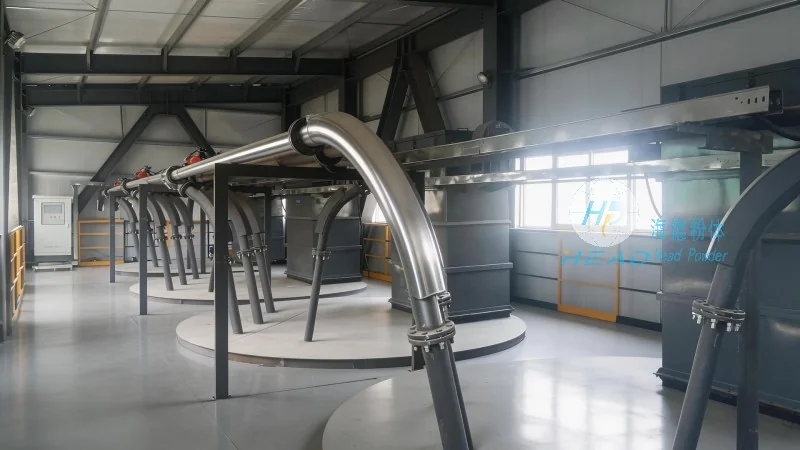
1. Bulk Shipping via Truck or Rail
One of the most common methods for transporting lithium carbonate is through bulk shipping using trucks or rail. This approach is particularly suitable for large-scale operations where high volumes of lithium carbonate need to be moved over relatively short to medium distances. Trucks provide flexibility in terms of delivery locations, allowing for direct delivery to manufacturing sites or storage facilities. Rail transport, on the other hand, is ideal for longer distances and can handle larger quantities, making it cost-effective for bulk shipments. Both truck and rail transport require proper packaging to prevent spillage and ensure compliance with safety regulations. The packaging typically includes sealed containers, such as plastic or metal drums, which are designed to withstand the handling and transportation conditions. This method ensures that lithium carbonate is transported in a controlled manner, minimizing the risk of contamination or loss during transit.
2. Containerized Shipping for International Trade
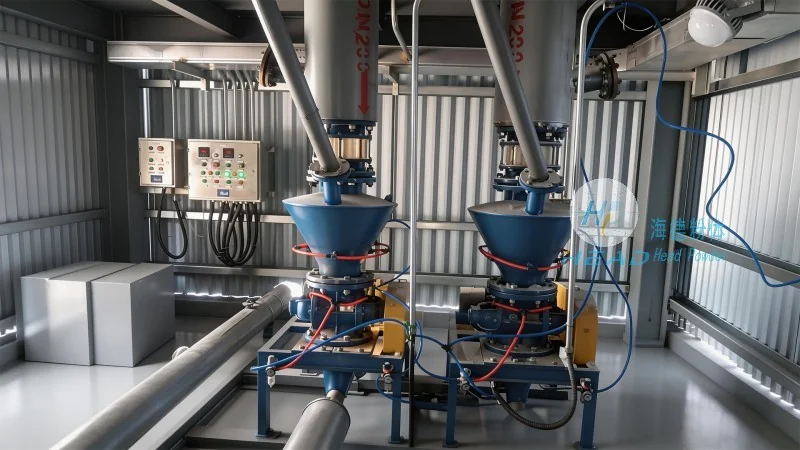
For international trade, containerized shipping is a widely used method for transporting lithium carbonate. This approach involves loading lithium carbonate into standard shipping containers, which are then transported via sea freight. Containerized shipping offers several advantages, including cost-effectiveness for long-distance transport, reduced risk of damage compared to bulk trucking, and the ability to consolidate multiple shipments. The containers used are typically made of durable materials like steel or aluminum, designed to protect the contents from external factors such as moisture, temperature fluctuations, and physical impact. Proper labeling and documentation are essential for compliance with international shipping regulations, including those related to hazardous materials. This method is particularly beneficial for companies that operate on a global scale, as it allows for efficient distribution of lithium carbonate to various markets worldwide.
3. Specialized Handling for Hazardous Materials
Given that lithium carbonate is classified as a hazardous material in many regions, specialized handling methods are often required during transportation. This includes adherence to specific safety protocols and the use of specialized equipment. For example, when transporting lithium carbonate by truck, specialized tankers or bulk containers may be used to ensure proper containment. These containers are equipped with features such as venting systems and pressure relief valves to prevent accidents. Additionally, transportation personnel must be trained in handling hazardous materials, including proper loading, unloading, and emergency response procedures. This ensures that the transportation process is conducted in a safe and compliant manner, minimizing the risk of accidents or environmental contamination. Specialized handling also involves regular inspections of the containers and vehicles to ensure they are in good condition and meet all regulatory requirements.
4. Local Delivery via Smaller Vehicles
In some cases, especially for smaller quantities or local deliveries, specialized vehicles are used to transport lithium carbonate. These vehicles may include specialized vans or small trucks equipped with appropriate containment systems. This method is particularly useful for delivering lithium carbonate to smaller manufacturing sites or distribution centers that are not easily accessible by larger trucks. The use of smaller vehicles allows for more precise and flexible delivery, ensuring that the product reaches its destination efficiently. Proper safety measures are still essential, including the use of sealed containers and adherence to local transportation regulations. This method is often used in conjunction with bulk shipping for the initial delivery of larger quantities, followed by local distribution using smaller vehicles.
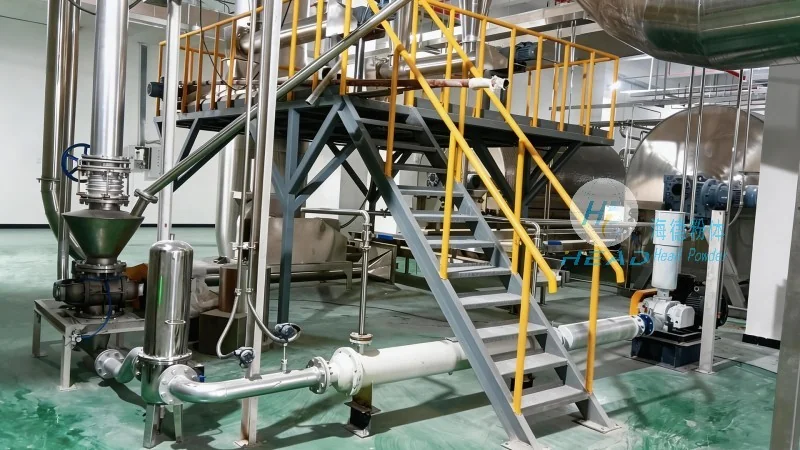
5. Considerations for Storage and Transshipment
Before and during transportation, proper storage and transshipment procedures are critical to maintaining the quality and safety of lithium carbonate. This includes ensuring that the material is stored in a dry, cool environment to prevent degradation. Transshipment points, such as ports or rail yards, require careful coordination to ensure a smooth transition from one mode of transport to another. This involves proper documentation and communication between all parties involved in the transportation process. Additionally, regular inspections of the material during storage and transit are necessary to detect any signs of contamination or degradation. This ensures that the lithium carbonate remains in optimal condition until it reaches its final destination. Proper handling at transshipment points also helps to minimize the risk of spills or accidents, which could lead to environmental or safety issues.
6. Compliance with Regulations and Standards
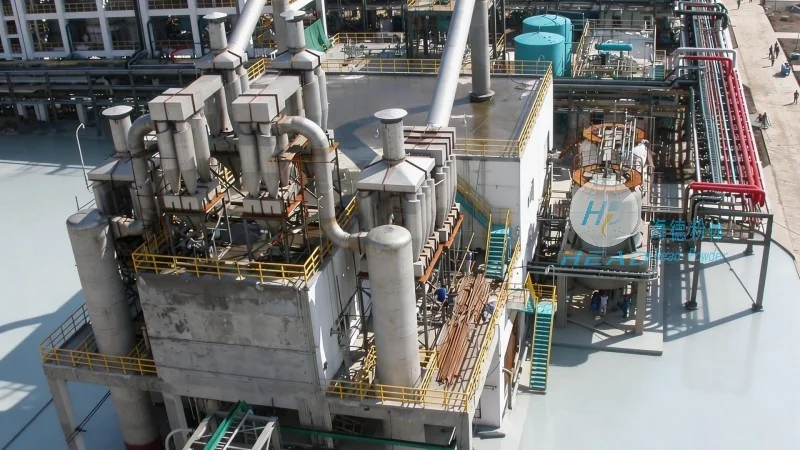
Transporting lithium carbonate requires compliance with various regulations and standards set by national and international authorities. These regulations are designed to ensure the safety of both the personnel involved in transportation and the environment. For example, in many countries, lithium carbonate is classified as a hazardous material under the Dangerous Goods regulations, which dictate specific packaging, labeling, and handling requirements. Companies must obtain the necessary permits and certifications to transport lithium carbonate, and their transportation personnel must be trained and certified to handle hazardous materials. Compliance with these regulations is essential to avoid fines, legal issues, and potential harm to the environment or human health. Regular audits and inspections are often conducted to ensure that companies are adhering to these regulations, and any non-compliance can result in penalties or the suspension of transportation operations.
7. Environmental and Safety Measures
Environmental and safety measures play a vital role in the transportation of lithium carbonate. These measures are designed to minimize the risk of accidents, spills, and environmental contamination. For instance, spill containment systems are often used during loading and unloading to prevent accidental spills. These systems include absorbent materials and spill kits that can be used to clean up any spills quickly and effectively. Additionally, transportation routes are often planned to avoid sensitive areas such as water bodies or residential zones, reducing the risk of environmental impact. Regular maintenance of vehicles and equipment is also essential to prevent mechanical failures that could lead to accidents. This includes checking for leaks, ensuring proper functioning of safety features, and maintaining proper documentation. By implementing these measures, companies can ensure that the transportation of lithium carbonate is conducted in a safe and environmentally responsible manner.
8. Conclusion
In conclusion, the transportation of lithium carbonate involves several methods, each with its own advantages and considerations. The choice of method depends on factors such as the volume of the shipment, the distance to be traveled, and the specific requirements of the destination. Proper packaging, adherence to safety regulations, and specialized handling are all critical components of the transportation process. Companies like Shandong HeadPowder Engineering Co., Ltd., based in China, play a vital role in ensuring that lithium carbonate is transported safely and efficiently. By employing the appropriate methods and adhering to industry standards, the transportation of lithium carbonate can be conducted in a manner that meets both safety and environmental requirements. This ensures that the product reaches its intended destination in optimal condition, supporting the various industries that rely on lithium carbonate for their operations.

 Shandong Headpowder Engineering Co., Ltd.
 156-6277-7102(Quản lý Trương)
  0531-83386006
  Thành phố Tế Nam, Tỉnh Sơn Đông, Trung Quốc
Điện thoại
WeChatTư vấn
Lên đầu