Với hơn 10 năm kinh nghiệm về vận chuyển khí nén, Headpowder Sơn Đông cung cấp hệ thống, thiết bị và quạt gió toàn chuỗi, đảm nhận các dự án kỹ thuật bột trọn gói trên toàn quốc.
When it comes to transporting stone aggregates efficiently and reliably, selecting the right conveying method is crucial for optimizing production processes and minimizing operational costs. Stone aggregate, which includes materials like gravel, crushed stone, and sand, is a fundamental component in construction and various industrial applications. The choice of conveying method depends on factors such as material characteristics, distance to be covered, required throughput, and the specific requirements of the end application. In this article, we explore the various methods that can be employed for stone aggregate transport, providing insights into their advantages, applications, and suitability for different scenarios.
1. Belt Conveyors: The Workhorse of Material Handling
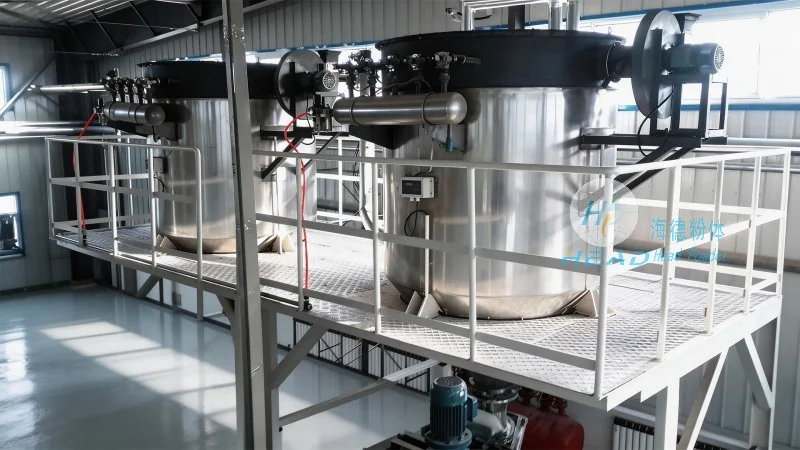
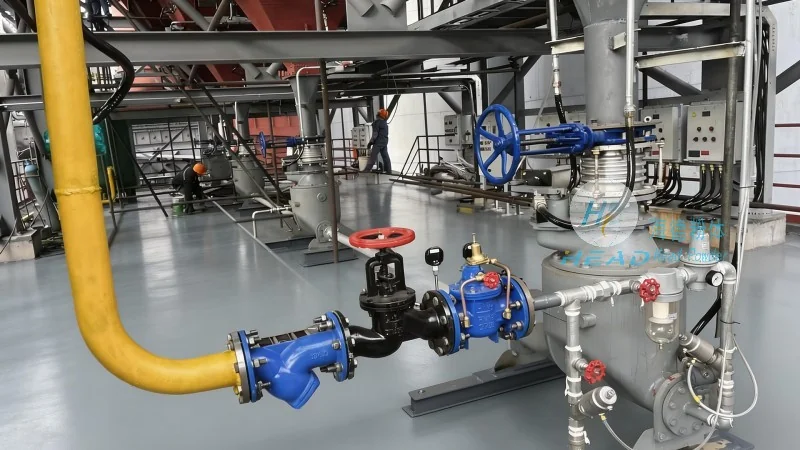
Belt conveyors are among the most common and versatile equipment used for stone aggregate transport. These systems consist of a continuous loop of a flexible belt that moves over rollers or pulleys, transporting material from one point to another. The primary advantage of belt conveyors is their high capacity and ability to handle a wide range of materials, including heavy and abrasive stone aggregates. They are particularly effective for long-distance transport, as they can cover distances of several hundred meters with minimal maintenance. Belt conveyors are also suitable for both horizontal and inclined transport, making them adaptable to various site configurations. The design of the belt, such as the use of heavy-duty rubber or PVC, ensures durability and resistance to wear from the abrasive stone particles. Additionally, modern belt conveyors often incorporate features like variable speed drives and load sensors to enhance control and efficiency. For example, in a quarry or mining operation, a belt conveyor can transport crushed stone from the crushing plant to a storage yard or loading area, ensuring a smooth and continuous flow of material. The reliability of belt conveyors makes them a preferred choice for high-volume stone aggregate handling in construction and infrastructure projects.
2. Screw Conveyors: Compact and Efficient for Short Distances
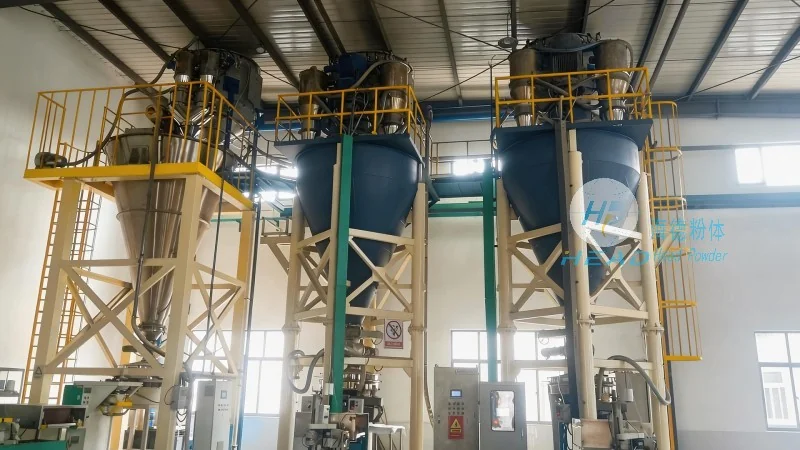
Screw conveyors, also known as auger conveyors, are another popular method for transporting stone aggregates, especially over shorter distances. These systems use a rotating helical screw inside a U-shaped or cylindrical housing to move material forward. The screw's rotation creates a pushing action that propels the material along the conveyor. Screw conveyors are particularly well-suited for handling dry, free-flowing materials like sand or fine gravel, as well as bulkier aggregates. Their compact design makes them ideal for applications where space is limited, such as in confined processing areas or within silos. One of the key advantages of screw conveyors is their simplicity and low maintenance requirements. They have fewer moving parts compared to belt conveyors, reducing the risk of mechanical failure and the need for frequent repairs. Screw conveyors are also capable of handling materials at an angle, allowing for vertical or inclined transport without the need for additional equipment. This makes them useful for elevating stone aggregates to higher levels or moving them between different levels of a facility. In industrial settings, screw conveyors are often used to transport stone aggregates from a storage bin to a processing machine or to feed material into a mixer. The consistent and controlled movement of material in screw conveyors ensures that the flow rate is stable, which is essential for maintaining production efficiency. For example, in a concrete mixing plant, a screw conveyor can deliver sand and gravel to the mixer, ensuring a uniform blend of ingredients. The reliability and adaptability of screw conveyors make them a valuable asset in stone aggregate handling operations.
3. Pneumatic Conveying Systems: High-Speed and Flexible Transport
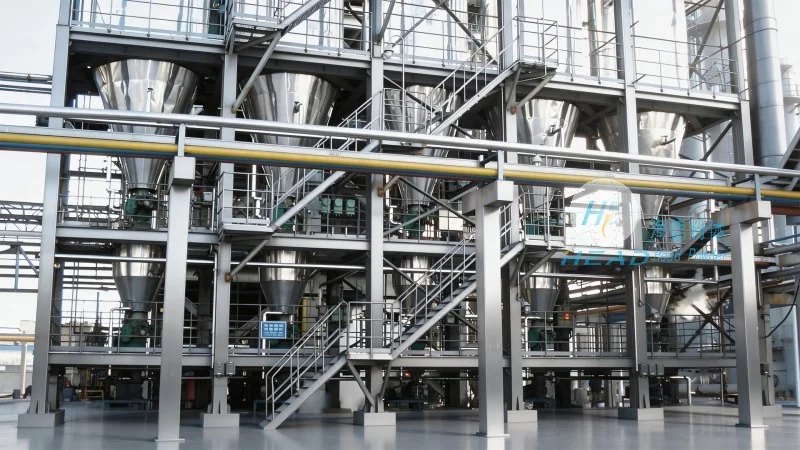
Pneumatic conveying systems use air or gas to transport stone aggregates through a pipeline network. These systems are particularly effective for handling fine or dusty materials, as they can transport material without the need for physical contact, reducing wear and contamination. Pneumatic conveyors are available in two main types: pressure and vacuum systems. Pressure systems use compressed air to push material through the pipeline, while vacuum systems use suction to draw material into the line. The choice between pressure and vacuum depends on the distance to be covered and the material characteristics. Pneumatic conveying is ideal for applications requiring high-speed transport over moderate distances, such as in food processing or pharmaceutical industries, but it can also be adapted for stone aggregate transport. One of the key advantages of pneumatic conveying is its flexibility, as it can be easily integrated into existing infrastructure and reconfigured to accommodate changes in production needs. The system can transport material through vertical, horizontal, or combined paths, making it suitable for complex layouts. Pneumatic conveyors are also capable of handling abrasive materials without significant wear, as the material is enclosed within the pipeline and protected from external contact. However, they require higher energy input compared to other methods, as the air pressure or vacuum needs to be maintained to keep the material moving. In stone aggregate applications, pneumatic conveying is often used to transport fine sand or dust from a storage silo to a processing unit or to move material between different processing stages. The speed and efficiency of pneumatic conveying make it a suitable option for high-volume operations where speed is a priority. For example, in a sand and gravel processing plant, a pneumatic conveyor can quickly transport fine sand from a screening area to a storage bin, ensuring a continuous flow of material. The flexibility and adaptability of pneumatic systems make them a valuable addition to stone aggregate handling solutions.
4. Bucket Elevators: Vertical Transport with High Capacity
Bucket elevators are specialized equipment designed for vertical transport of stone aggregates, particularly in applications where material needs to be elevated to significant heights. These systems consist of a continuous chain or belt with attached buckets that move vertically along a vertical or inclined track. The buckets are filled with material at the bottom and then lifted to the top, where the material is discharged. Bucket elevators are known for their high capacity and ability to handle heavy loads, making them suitable for large-scale stone aggregate handling operations. One of the main advantages of bucket elevators is their efficiency in vertical transport, as they can move material at a high rate while minimizing space requirements. The design of the buckets, such as their shape and material, is optimized to prevent material spillage and ensure efficient loading and unloading. Bucket elevators are commonly used in quarries and mining operations to transport crushed stone from the ground level to a processing plant or storage area. They are also used in cement plants to transport raw materials or finished products vertically. The reliability and durability of bucket elevators make them a preferred choice for applications requiring consistent and high-volume vertical transport. However, they may require more maintenance compared to other methods due to the moving parts and the need to handle heavy loads. Proper maintenance, such as regular inspection of the chain or belt and lubrication of moving parts, is essential to ensure the longevity and performance of the system. In stone aggregate handling, bucket elevators are often integrated with other conveying systems to form a complete material transport solution. For example, a bucket elevator can be used to lift stone aggregates from a ground-level storage area to an elevated processing line, where they are then transferred to a belt conveyor for further transport. The combination of bucket elevators with other equipment allows for efficient and seamless material flow, optimizing the overall production process. The high capacity and vertical transport capability of bucket elevators make them a critical component in many stone aggregate handling operations.

 Shandong Headpowder Engineering Co., Ltd.
 156-6277-7102(Quản lý Trương)
  0531-83386006
  Thành phố Tế Nam, Tỉnh Sơn Đông, Trung Quốc
Điện thoại
WeChatTư vấn
Lên đầu