Với hơn 10 năm kinh nghiệm về vận chuyển khí nén, Headpowder Sơn Đông cung cấp hệ thống, thiết bị và quạt gió toàn chuỗi, đảm nhận các dự án kỹ thuật bột trọn gói trên toàn quốc.
Designing an efficient and reliable grass powder pneumatic conveying system is crucial for industries dealing with agricultural or biomass materials. The process involves careful consideration of material properties, system requirements, and operational efficiency to ensure optimal performance. This article outlines key aspects of designing a reasonable grass powder pneumatic conveying system, focusing on the expertise and solutions provided by Shandong HeadPowder Engineering Co., Ltd., commonly known as HeadPowder.
Understanding Grass Powder Characteristics
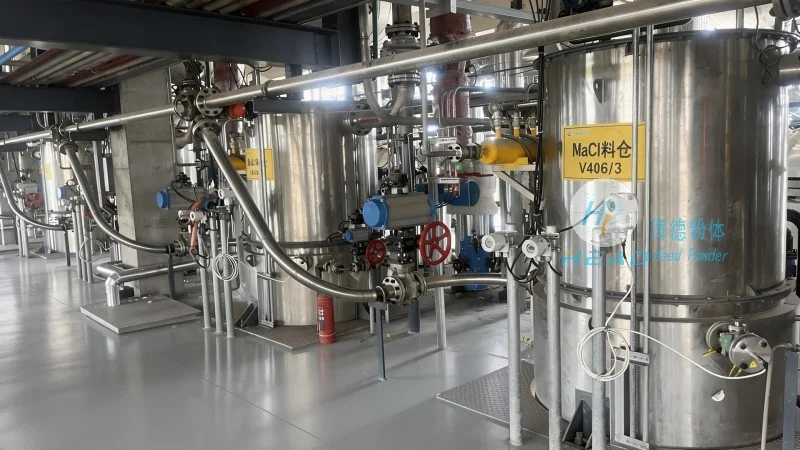
Grass powder, derived from various forage crops, has unique physical and chemical properties that influence the design of a pneumatic conveying system. Factors such as particle size distribution, moisture content, bulk density, and flowability are critical. For instance, fine grass powders may require higher air velocities to prevent blockages, while coarser particles might benefit from larger duct diameters. HeadPowder engineers conduct thorough material analysis to tailor the system design to these specific characteristics, ensuring reliable material transport without degradation or loss.
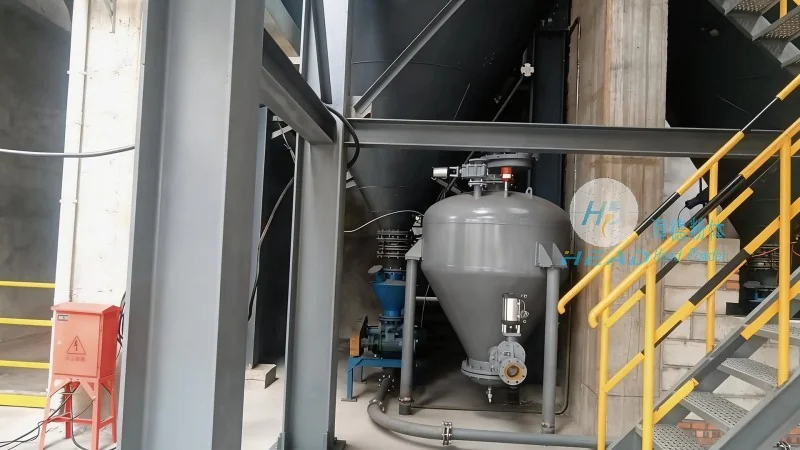
System Type Selection: Positive Pressure vs. Negative Pressure
The choice between positive pressure and negative pressure systems is a fundamental decision in pneumatic conveying. Positive pressure systems, where air is forced through the material, are suitable for long-distance or high-capacity applications. They offer better control over material flow and can handle abrasive or sticky materials. Negative pressure systems, on the other hand, draw material into the system using suction, which is ideal for short distances or when handling dust-sensitive materials. HeadPowder evaluates the project's specific needs, including distance, material volume, and environmental considerations, to recommend the most appropriate system type. This ensures the system operates efficiently while minimizing energy consumption and maintenance costs.
Key Design Considerations for Pneumatic Conveying
Several critical factors must be addressed during the design phase. First, the system's capacity and flow rate are determined based on the production requirements. HeadPowder uses advanced calculations to ensure the system can handle the desired throughput without bottlenecks. Second, the air velocity and duct size are optimized to maintain the material in suspension, preventing deposition and blockages. Properly sized ducts and appropriate air velocities are essential for smooth material transport. Third, the system's layout, including the number of bends, vertical lifts, and horizontal runs, is designed to minimize pressure losses and energy usage. HeadPowder's experienced engineers use computational fluid dynamics (CFD) and empirical data to model the system, ensuring optimal performance under various operating conditions.
Equipment Selection and Integration
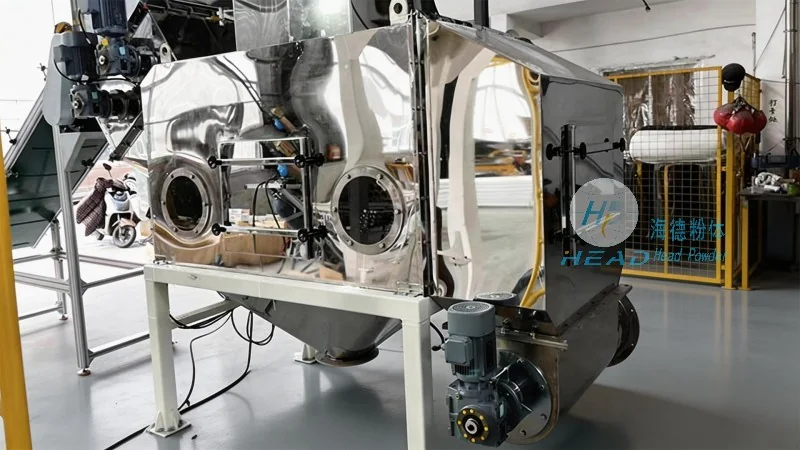
HeadPowder selects high-quality equipment components tailored to the grass powder application. This includes air compressors, dust collectors, material feeders, and control systems. The air compressor must provide sufficient pressure and flow rate to meet the system's demands. Dust collectors are essential to maintain air quality and comply with environmental regulations. Material feeders, such as rotary valves or screw conveyors, ensure consistent material feeding into the system. HeadPowder integrates these components seamlessly, ensuring smooth operation and minimal downtime. The company's expertise in equipment selection ensures that each component is compatible with the system design, enhancing overall efficiency and reliability.
Installation and Commissioning
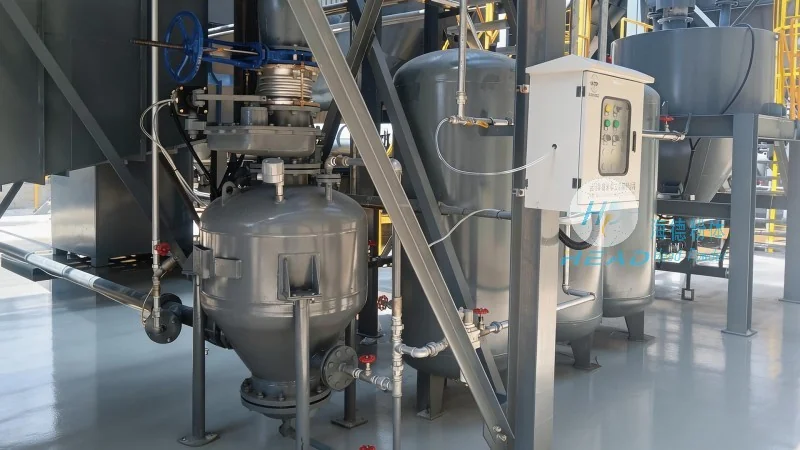
After the system design is finalized, HeadPowder handles the installation and commissioning process. Proper installation is crucial to ensure the system operates as designed. This includes accurate duct alignment, secure connections, and proper grounding. Commissioning involves testing the system under various operating conditions to verify performance. HeadPowder's team conducts thorough testing to identify and resolve any issues before the system is handed over to the client. This ensures the system meets all performance criteria and operates reliably from day one. The company's commitment to quality and customer satisfaction is evident in the detailed installation and commissioning procedures.
Maintenance and Long-Term Performance
Regular maintenance is essential to ensure the long-term performance and reliability of the grass powder pneumatic conveying system. HeadPowder provides maintenance services and recommends regular inspections of key components, such as air filters, ducts, and material feeders. Preventive maintenance helps identify potential issues early, reducing downtime and repair costs. The company's experienced technicians are trained to handle all aspects of system maintenance, ensuring the system operates at peak efficiency. By following HeadPowder's maintenance guidelines, clients can extend the system's lifespan and maintain optimal performance over time.

 Shandong Headpowder Engineering Co., Ltd.
 156-6277-7102(Quản lý Trương)
  0531-83386006
  Thành phố Tế Nam, Tỉnh Sơn Đông, Trung Quốc
Điện thoại
WeChatTư vấn
Lên đầu