Với hơn 10 năm kinh nghiệm về vận chuyển khí nén, Headpowder Sơn Đông cung cấp hệ thống, thiết bị và quạt gió toàn chuỗi, đảm nhận các dự án kỹ thuật bột trọn gói trên toàn quốc.
Shandong HeadPowder Engineering Co., Ltd., a professional enterprise in the field of powder processing and conveying technology, specializes in providing comprehensive solutions for pneumatic conveying systems. With years of experience and technical expertise, the company focuses on optimizing material handling processes, ensuring efficiency and reliability in industrial applications. This article aims to guide readers through the key considerations and steps involved in designing a reasonable zircon sand pneumatic conveying system plan, tailored to meet specific operational requirements.
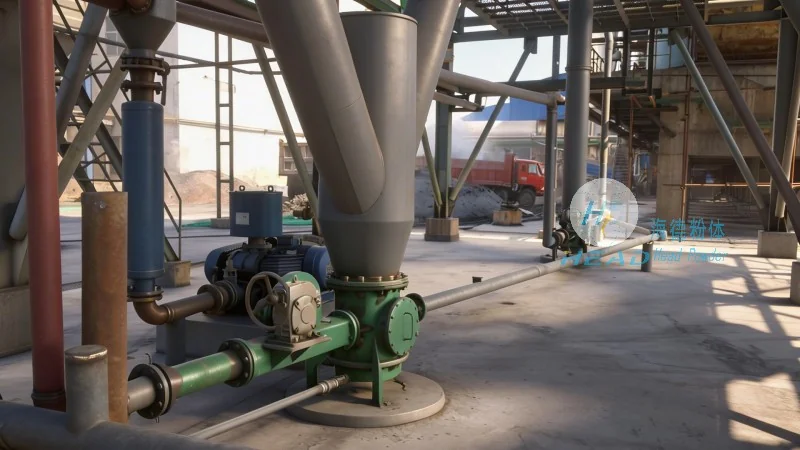
When designing a zircon sand pneumatic conveying system, several critical factors must be taken into account to ensure optimal performance and longevity. The first step is to assess the material characteristics of zircon sand, including its particle size distribution, moisture content, and bulk density. These properties directly influence the selection of appropriate equipment such as the air compressor, conveyor pipeline, and separation devices. For instance, zircon sand typically has a relatively high density and can be abrasive, which may require specialized materials for the pipeline and components to withstand wear and corrosion.
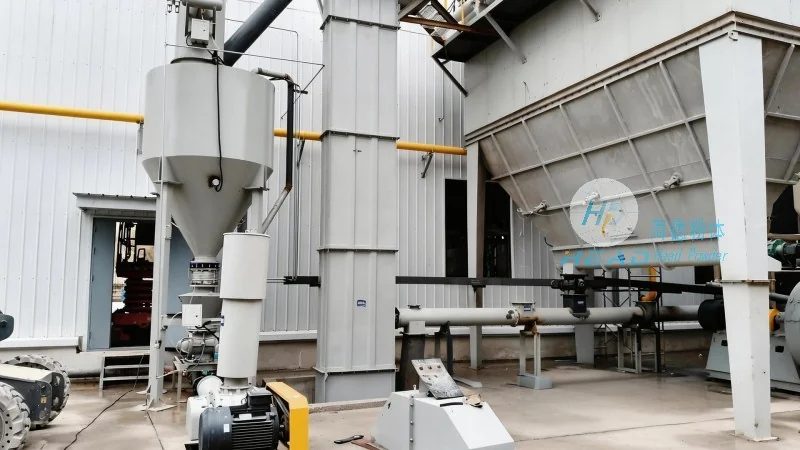
Another essential aspect is the system layout and configuration. The design should consider the distance between the material source and the destination, as well as any obstacles or environmental constraints. A well-planned layout minimizes pressure losses and energy consumption, enhancing overall system efficiency. The choice of conveying method—such as dilute-phase or dense-phase pneumatic conveying—depends on the material's properties and the required conveying distance. Dilute-phase systems are suitable for short distances and low to medium material loads, while dense-phase systems are preferred for longer distances or when handling more delicate materials that require gentler transport.
Equipment selection is a crucial step in the design process. The air compressor must be capable of delivering sufficient air volume and pressure to move the zircon sand through the pipeline. Common types include rotary lobe blowers and centrifugal compressors, each with distinct advantages and limitations. The pipeline design, including the diameter, length, and bends, must be optimized to maintain consistent airflow and prevent blockages. Additionally, the inclusion of filters, cyclones, and dust collectors is vital to ensure the system operates cleanly and meets environmental regulations. These components help in separating the conveyed material from the air stream, preventing dust accumulation and maintaining air quality.
Control and monitoring systems play a significant role in the effective operation of a zircon sand pneumatic conveying system. Modern systems often incorporate advanced control panels that allow for real-time monitoring of pressure, flow rate, and material level. This enables operators to adjust the system parameters dynamically, ensuring stable and efficient operation. The integration of sensors and automation technology enhances safety and reduces downtime, making the system more reliable and cost-effective. For example, pressure sensors can detect blockages or leaks, triggering alarms or automatic shutdowns to prevent system damage.
Maintenance and maintenance planning are also critical for the long-term performance of the zircon sand pneumatic conveying system. Regular inspections and maintenance of components like the air compressor, pipeline, and separation devices are necessary to prevent breakdowns and extend the system's lifespan. The company, Shandong HeadPowder Engineering Co., Ltd., offers comprehensive maintenance services and technical support to ensure that the system operates at peak efficiency. By adhering to a scheduled maintenance program, users can minimize operational costs and maximize the return on investment.
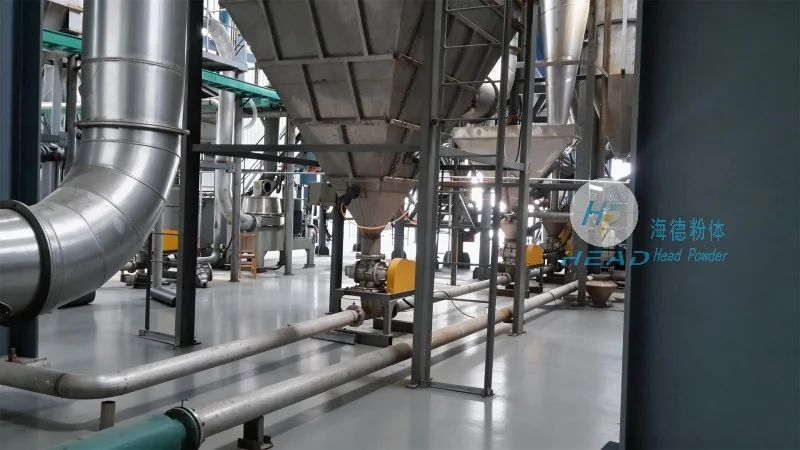
In conclusion, designing a reasonable zircon sand pneumatic conveying system requires a thorough understanding of material properties, system layout, equipment selection, and control strategies. By considering these factors and leveraging the expertise of professional engineering firms like Shandong HeadPowder Engineering Co., Ltd., industries can achieve efficient, reliable, and cost-effective material handling solutions. The key is to balance performance, durability, and operational costs to meet the specific needs of the application.

 Shandong Headpowder Engineering Co., Ltd.
 156-6277-7102(Quản lý Trương)
  0531-83386006
  Thành phố Tế Nam, Tỉnh Sơn Đông, Trung Quốc
Điện thoại
WeChatTư vấn
Lên đầu