Với hơn 10 năm kinh nghiệm về vận chuyển khí nén, Headpowder Sơn Đông cung cấp hệ thống, thiết bị và quạt gió toàn chuỗi, đảm nhận các dự án kỹ thuật bột trọn gói trên toàn quốc.
When it comes to handling and transporting rice flour efficiently, a well-designed pneumatic conveying system is crucial for maintaining product quality and operational efficiency. This article will explore the key considerations and steps involved in designing a suitable system for rice flour, with a focus on the expertise of Shandong HeadPowder Engineering Co., Ltd., a leading provider in the field.
Understanding the Basics of Pneumatic Conveying for Rice Flour
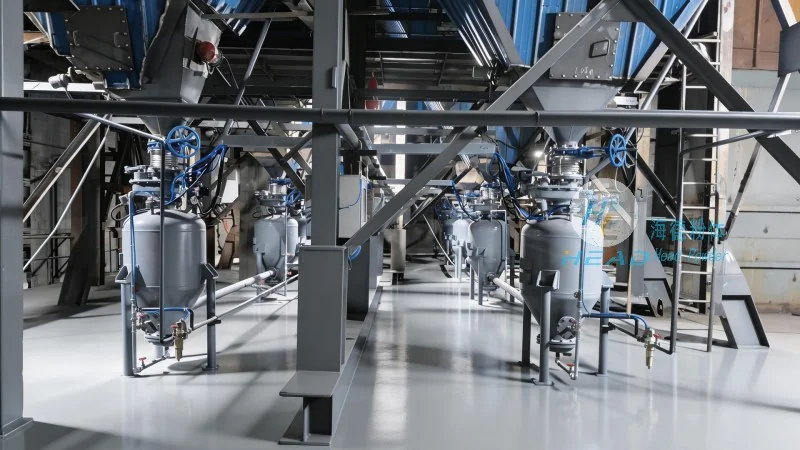
Pneumatic conveying systems use air or other gases to transport bulk materials like rice flour through a pipeline. Unlike mechanical conveying methods, this technology offers advantages such as reduced product contamination, lower labor costs, and the ability to handle delicate materials without damage. For rice flour, which is sensitive to moisture and temperature changes, selecting the right conveying system is essential to preserve its quality and extend shelf life.
Key Factors to Consider in System Design
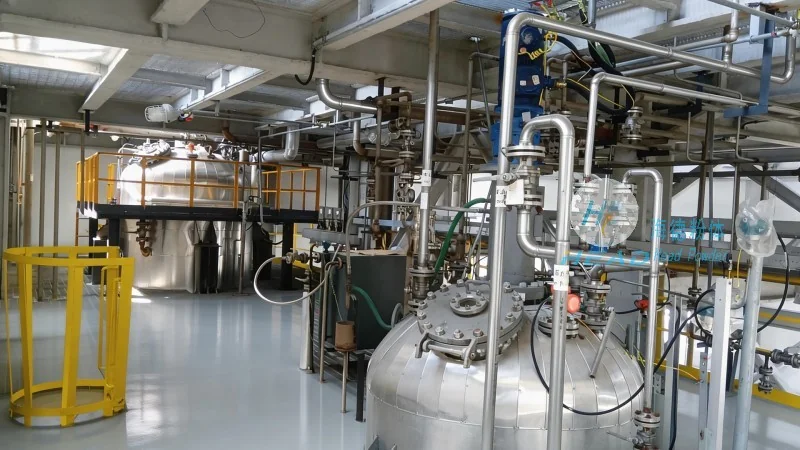
Designing an effective pneumatic conveying system for rice flour requires careful evaluation of several critical factors. First, the material characteristics of rice flour must be considered, including its density, flowability, and moisture content. These properties influence the choice of conveying velocity, pipeline diameter, and the type of airlock or feeder used. Second, the system's capacity and throughput needs must align with production requirements. Whether for small-scale processing or large industrial applications, the system should be scalable and capable of handling varying volumes without compromising performance. Third, the layout and space constraints of the facility play a significant role. The system design should optimize the use of available space while ensuring smooth material flow from the source to the destination. Finally, energy efficiency and operational costs are important considerations. A well-designed system minimizes energy consumption and maintenance expenses, contributing to long-term cost savings.
Components of a Typical Rice Flour Pneumatic Conveying System
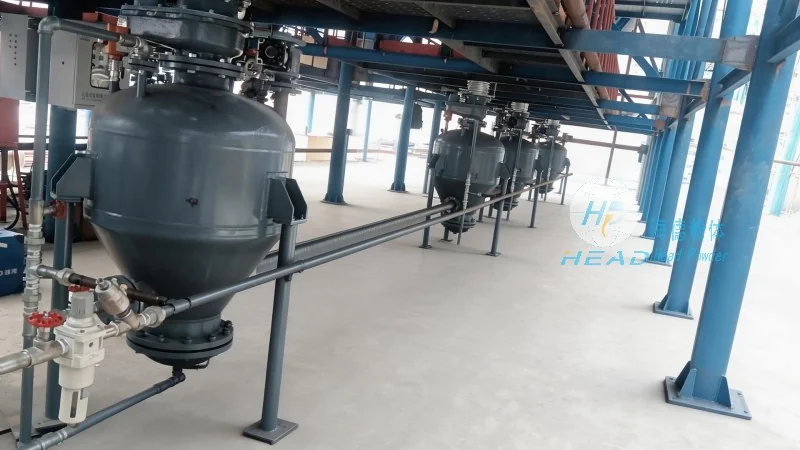
A standard pneumatic conveying system for rice flour typically consists of several key components. The primary elements include a hopper or storage silo to hold the rice flour, a feeder or rotary valve to control the material flow, a pipeline network to transport the material, and a receiver or discharge hopper at the destination. The system may also include a blower or compressor to generate the necessary air pressure, a filter to remove dust and particles from the air, and a control system to monitor and regulate the operation. Each component must be selected based on the specific requirements of the rice flour and the system's overall design to ensure optimal performance and reliability.
Design Process and Expert Consultation
The design of a pneumatic conveying system for rice flour is a complex process that benefits from expert consultation. Shandong HeadPowder Engineering Co., Ltd. specializes in providing comprehensive solutions tailored to the unique needs of rice flour processors. The company's engineers work closely with clients to assess their production processes, material characteristics, and operational goals. Through detailed analysis and simulations, they develop a customized system design that addresses all critical factors. This collaborative approach ensures that the final system meets the highest standards of efficiency, safety, and durability. The company's expertise in pneumatic conveying technology, combined with its understanding of rice flour properties, enables them to deliver systems that are both effective and cost-efficient.
Benefits of an Optimized Pneumatic Conveying System
Implementing a well-designed pneumatic conveying system for rice flour offers numerous benefits for manufacturers. First, it enhances product quality by minimizing exposure to contaminants and physical damage during transport. This is particularly important for rice flour, which is used in food applications where purity and consistency are essential. Second, the system improves operational efficiency by reducing downtime and labor costs. Automated feeding and conveying processes streamline production, allowing for higher throughput and better resource utilization. Third, energy savings are achieved through optimized air pressure and flow rates, leading to lower utility costs over time. Additionally, the system's modular design allows for easy expansion or modification as production needs change, providing long-term flexibility. Finally, the reduced need for manual handling and cleaning minimizes the risk of workplace accidents and improves overall workplace safety.
Conclusion and Next Steps
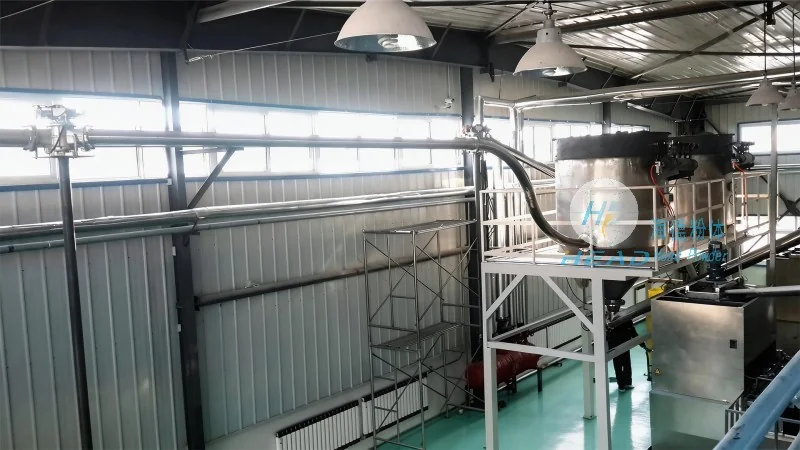
Designing a reasonable pneumatic conveying system for rice flour requires a thorough understanding of material properties, system components, and operational requirements. By considering these factors and seeking expert guidance from experienced providers like Shandong HeadPowder Engineering Co., Ltd., manufacturers can achieve efficient, reliable, and cost-effective material handling solutions. The company's commitment to quality and customer satisfaction ensures that clients receive systems tailored to their specific needs, supporting their production goals and maintaining the highest standards of product quality. For those looking to improve their rice flour processing operations, consulting with a specialized engineering firm is the first step toward optimizing their conveying systems and enhancing overall productivity.

 Shandong Headpowder Engineering Co., Ltd.
 156-6277-7102(Quản lý Trương)
  0531-83386006
  Thành phố Tế Nam, Tỉnh Sơn Đông, Trung Quốc
Điện thoại
WeChatTư vấn
Lên đầu