Với hơn 10 năm kinh nghiệm về vận chuyển khí nén, Headpowder Sơn Đông cung cấp hệ thống, thiết bị và quạt gió toàn chuỗi, đảm nhận các dự án kỹ thuật bột trọn gói trên toàn quốc.
When it comes to transporting high-calcium materials, selecting the right handling method is crucial for efficiency, safety, and cost-effectiveness. High-calcium materials, such as limestone, calcium carbonate, and other calcium-rich powders, present unique challenges due to their density, dustiness, and potential for caking. Traditional methods like belt conveyors or screw conveyors may struggle with these properties, leading to operational issues like blockages, material degradation, or increased maintenance costs. This article explores common high-calcium material handling methods, with a particular focus on high-calcium pneumatic conveying systems, and highlights the advantages of this technology for industrial applications.
Understanding High-Calcium Materials and Their Handling Challenges
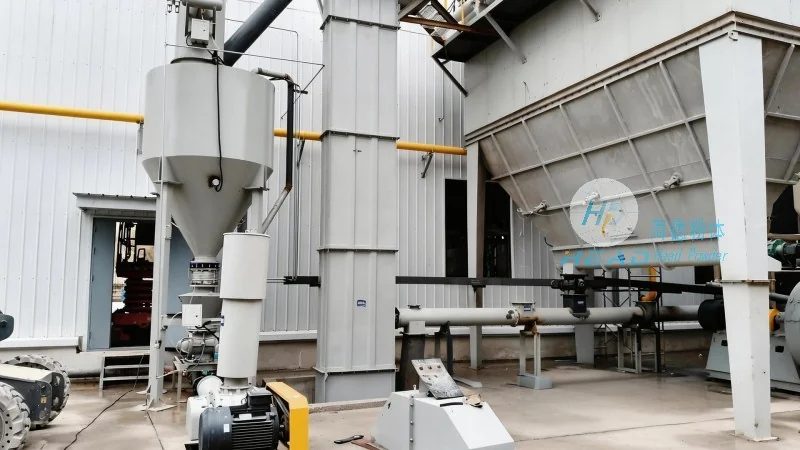
High-calcium materials, typically characterized by a high calcium carbonate content, are widely used in industries like cement production, chemical manufacturing, and food processing. These materials often exhibit properties that make conventional handling equipment less effective. For instance, their fine particle size can lead to dust generation, while their density and cohesive nature may cause clogging in mechanical conveyors. Additionally, the abrasive nature of these materials can accelerate wear on equipment components, increasing maintenance frequency and downtime. Therefore, specialized handling solutions are often required to ensure smooth and reliable material transport.
Common High-Calcium Material Handling Methods
Several methods are commonly employed for transporting high-calcium materials, each with its own set of advantages and limitations. The choice of method depends on factors such as material characteristics, plant layout, and budget constraints. Traditional mechanical conveyors, including belt conveyors and screw conveyors, are widely used but may not be suitable for all high-calcium applications due to the challenges mentioned above. These systems rely on mechanical force to move materials and can be prone to blockages and wear from abrasive particles.
Another common method is the use of bucket elevators, which are effective for vertical transport but may struggle with fine, dusty materials that can cause wear on buckets and chains. Additionally, the risk of material degradation due to friction and heat generation is a concern with some mechanical systems. In contrast, pneumatic conveying systems offer a more flexible and efficient solution for high-calcium materials.
High-Calcium Pneumatic Conveying: A Superior Solution
High-calcium pneumatic conveying systems utilize air or gas to transport materials through a pipeline. This method is particularly well-suited for high-calcium materials due to its ability to handle fine, dusty powders without the need for mechanical components that can cause clogging or wear. The system typically consists of a material feed hopper, a conveyor line, and a discharge point, with air being introduced at the feed end to create a flow of material through the pipeline. This approach minimizes the risk of material degradation and reduces maintenance requirements compared to mechanical conveyors.
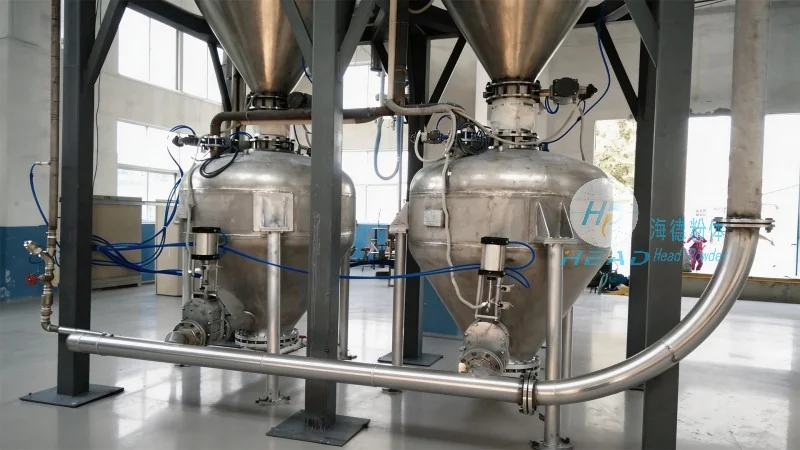
There are two main types of high-calcium pneumatic conveying systems: pressure and vacuum. Pressure systems use compressed air to push material through the pipeline, while vacuum systems use a vacuum to draw material from the source. The choice between these systems depends on the distance and layout of the transport route. For short to medium distances, pressure systems are often preferred due to their simplicity and efficiency. For longer distances or when transporting materials from multiple sources, vacuum systems may be more suitable.
Advantages of High-Calcium Pneumatic Conveying
High-calcium pneumatic conveying offers several key advantages over traditional mechanical methods. First, it provides a dust-free and enclosed transport system, which enhances safety and reduces environmental impact. The enclosed pipeline prevents dust from escaping into the workplace, improving air quality and reducing the risk of respiratory issues for operators. Second, the system is highly flexible, allowing for changes in the transport route without major modifications to the plant layout. This adaptability is particularly valuable in industries where production processes may change over time.
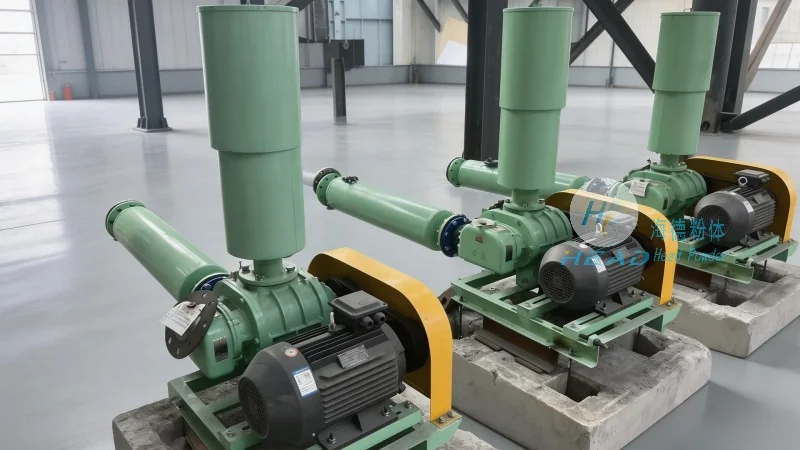
Third, high-calcium pneumatic conveying reduces maintenance costs and downtime. Since there are no mechanical components like belts, screws, or buckets that can wear out or become clogged, the system requires less frequent maintenance. This leads to lower operational costs and increased productivity. Additionally, the system is less prone to material degradation due to friction and heat, ensuring that the high-calcium material remains in its original state throughout the transport process.
Applications of High-Calcium Pneumatic Conveying
High-calcium pneumatic conveying is widely used in various industrial applications where high-calcium materials are processed. In the cement industry, for example, these systems are used to transport limestone and other raw materials from storage silos to the production line. The ability to handle large volumes of material efficiently and safely makes pneumatic conveying an ideal choice for cement plants. Similarly, in the chemical industry, high-calcium materials are often used as raw materials for calcium-based chemicals, and pneumatic conveying systems ensure reliable transport from storage to processing equipment.
In the food industry, high-calcium materials such as calcium carbonate are used as additives in various products. Pneumatic conveying systems provide a hygienic and efficient way to transport these materials, ensuring that they remain clean and free from contamination. The enclosed nature of the system also helps maintain food safety standards, which is critical in the food processing sector.
Conclusion
When selecting a high-calcium material handling method, it is essential to consider the unique properties of these materials and the specific requirements of the industrial application. While traditional mechanical conveyors may be suitable for some applications, high-calcium pneumatic conveying offers a superior solution in terms of efficiency, safety, and cost-effectiveness. The ability to handle fine, dusty materials without clogging or wear, combined with reduced maintenance and environmental benefits, makes pneumatic conveying an attractive option for many industries.
For businesses looking to optimize their high-calcium material handling processes, partnering with a specialized engineering company like Shandong HeadPowder Engineering Co., Ltd. can provide the expertise and solutions needed to implement effective pneumatic conveying systems. With years of experience in material handling technology, HeadPowder offers tailored solutions that address the specific challenges of high-calcium materials, ensuring reliable and efficient transport for industrial operations.

 Shandong Headpowder Engineering Co., Ltd.
 156-6277-7102(Quản lý Trương)
  0531-83386006
  Thành phố Tế Nam, Tỉnh Sơn Đông, Trung Quốc
Điện thoại
WeChatTư vấn
Lên đầu