Với hơn 10 năm kinh nghiệm về vận chuyển khí nén, Headpowder Sơn Đông cung cấp hệ thống, thiết bị và quạt gió toàn chuỗi, đảm nhận các dự án kỹ thuật bột trọn gói trên toàn quốc.
When it comes to transporting stone materials, selecting the right conveying method is crucial for efficiency, cost-effectiveness, and operational safety. Various options are available, each with its own advantages and applications. This article explores common stone conveying methods, with a particular focus on the benefits and applications of stone pneumatic conveying systems.
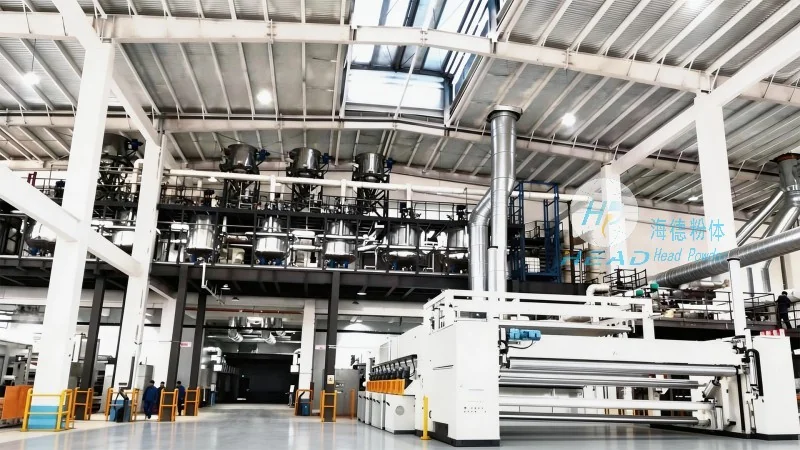
Understanding Stone Conveying Methods
Stone conveying involves the movement of aggregates, crushed stones, or other bulk materials from one location to another within industrial or construction settings. The choice of method depends on factors such as material characteristics, distance, volume, and the need for dust control or environmental compliance. Traditional methods include belt conveyors, screw conveyors, and bucket elevators, while modern solutions like pneumatic conveying systems offer enhanced flexibility and performance.
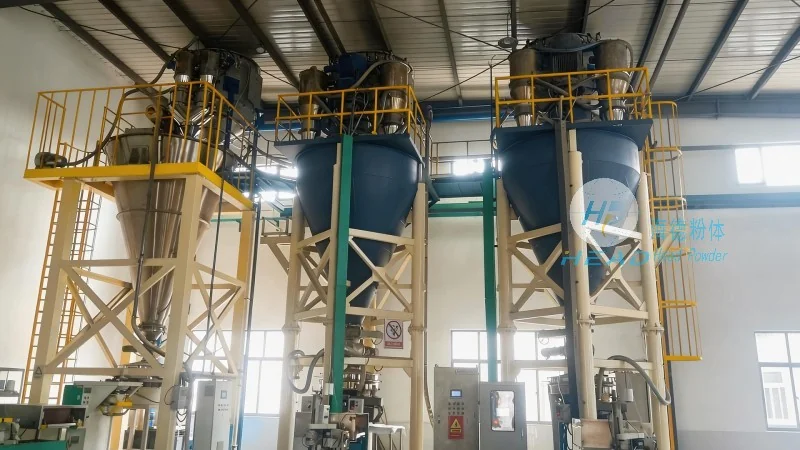
Advantages of Pneumatic Conveying for Stone Materials
Stone pneumatic conveying systems utilize air pressure to transport dry, free-flowing materials like crushed stone, gravel, or sand. This method offers several key advantages over traditional mechanical conveyors. First, it eliminates the need for physical contact with the material, reducing wear and tear on equipment. Second, it provides excellent dust control, which is critical for maintaining a safe and clean working environment. Third, pneumatic systems can handle materials over long distances with minimal maintenance and lower energy consumption compared to other methods. These benefits make stone pneumatic conveying particularly suitable for applications in mining, construction, and material processing industries.
Components of a Stone Pneumatic Conveying System
A typical stone pneumatic conveying system consists of several key components that work together to ensure efficient material transport. The primary components include a hopper or feed bin to store the stone material, a blower or compressor to generate the air pressure, a pipeline system to guide the material, and a receiver or discharge hopper to collect the conveyed material. Additional components may include filters to remove dust from the air, valves to control flow direction, and check valves to prevent backflow. Each component plays a vital role in maintaining the system's performance and ensuring reliable operation.
Applications of Stone Pneumatic Conveying
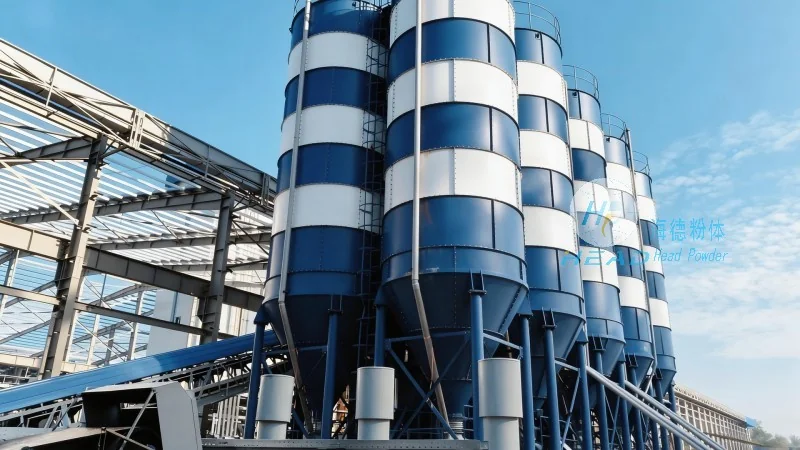
Stone pneumatic conveying systems are widely used in various industrial applications due to their versatility and efficiency. In mining operations, they are employed to transport crushed ore or rock from processing plants to storage areas or for further processing. In construction sites, these systems are used to move aggregates from stockpiles to mixing plants or concrete batching operations. Additionally, they are utilized in material processing facilities for transporting sand, gravel, or other bulk materials between different stages of production. The ability to handle a wide range of stone sizes and types makes pneumatic conveying a preferred choice for many applications.
Operational Considerations and Maintenance
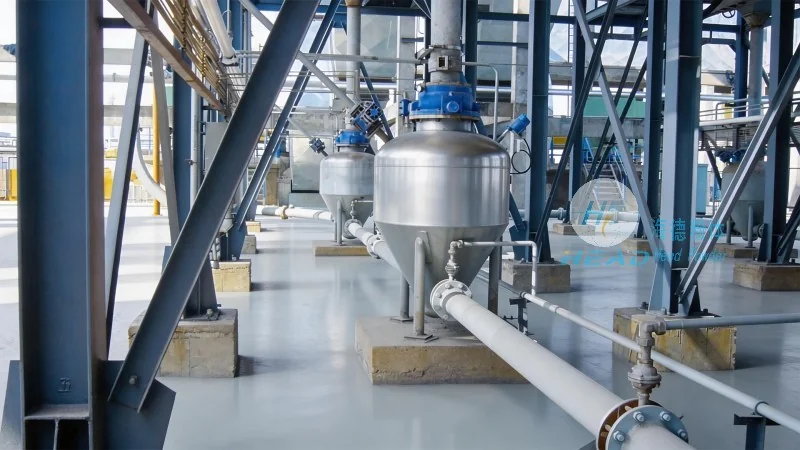
While stone pneumatic conveying offers numerous benefits, proper operation and maintenance are essential to ensure optimal performance and longevity of the system. Regular inspection of the blower or compressor is necessary to maintain proper air pressure and prevent overheating. The pipeline system should be checked for any blockages or leaks, as these can affect the system's efficiency. Dust filters should be cleaned or replaced as needed to maintain air quality and prevent clogging. Additionally, the hopper and receiver should be inspected for any material buildup or wear, which can impact the system's capacity and performance. By following recommended maintenance procedures, operators can maximize the lifespan of their stone pneumatic conveying systems and minimize downtime.
Conclusion
Stone conveying methods have evolved significantly over the years, with pneumatic conveying emerging as a preferred solution for many industrial applications. The advantages of reduced wear, improved dust control, and efficient material transport make stone pneumatic conveying systems a cost-effective and reliable choice for transporting stone materials. As technology continues to advance, these systems are likely to become even more efficient and versatile, further enhancing their role in the material handling industry. For businesses in need of reliable stone conveying solutions, considering a pneumatic conveying system from a reputable manufacturer like Shandong HeadPowder Engineering Co., Ltd. can provide a robust and efficient solution tailored to specific operational needs.

 Shandong Headpowder Engineering Co., Ltd.
 156-6277-7102(Quản lý Trương)
  0531-83386006
  Thành phố Tế Nam, Tỉnh Sơn Đông, Trung Quốc
Điện thoại
WeChatTư vấn
Lên đầu