Với hơn 10 năm kinh nghiệm về vận chuyển khí nén, Headpowder Sơn Đông cung cấp hệ thống, thiết bị và quạt gió toàn chuỗi, đảm nhận các dự án kỹ thuật bột trọn gói trên toàn quốc.
Lithium manganese oxide (LiMnO₂) is a critical component in modern battery technology, widely used in electric vehicles, portable electronics, and renewable energy storage systems. The efficient and safe transportation of this material is essential to meet the growing demand for high-performance batteries. This article explores the various methods employed for transporting lithium manganese oxide, focusing on practical approaches that ensure product integrity and compliance with industry standards.
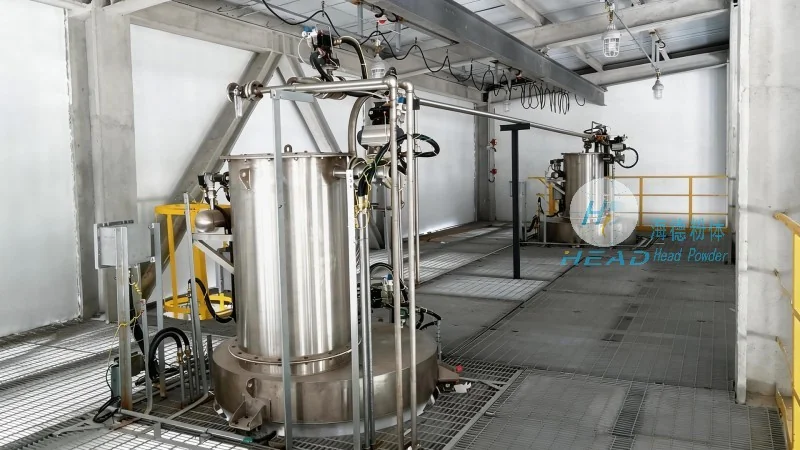
Key Considerations in Transporting Lithium Manganese Oxide
Before discussing specific transport methods, it is important to understand the key factors that influence the choice of transportation. Lithium manganese oxide is a sensitive material that requires careful handling to prevent degradation or safety hazards. Factors such as moisture sensitivity, temperature control, and packaging requirements are all critical considerations. Additionally, regulatory compliance, especially for international transport, plays a significant role in determining the most suitable method. The company, Shandong HeadPowder Engineering Co., Ltd., specializes in the handling and transport of lithium manganese oxide, adhering to strict quality and safety protocols.
Common Transport Methods for Lithium Manganese Oxide
Several methods are commonly used for transporting lithium manganese oxide, each with its own advantages and applications. The primary methods include road transport, rail transport, and sea transport, with each offering different benefits depending on the destination and quantity of the material.
For short-distance or regional transport, road transport is often the most practical option. This method allows for direct delivery to customers or distribution centers, minimizing handling and transit time. The company utilizes specialized vehicles equipped with temperature-controlled compartments to maintain the optimal conditions for lithium manganese oxide. These vehicles are designed to prevent exposure to moisture and extreme temperatures, ensuring the material remains in its best condition throughout the journey. Road transport is particularly effective for smaller quantities and for deliveries to urban or remote locations.
For medium to long-distance transport, rail transport provides a more cost-effective and environmentally friendly alternative to road transport. Railways can handle larger volumes of lithium manganese oxide, making them suitable for bulk shipments. The company partners with reputable railway carriers that specialize in hazardous materials transport. The rail cars used are equipped with secure containment systems and temperature monitoring devices to ensure the safety and integrity of the cargo. This method reduces the carbon footprint compared to road transport and is ideal for moving large quantities between major industrial centers.
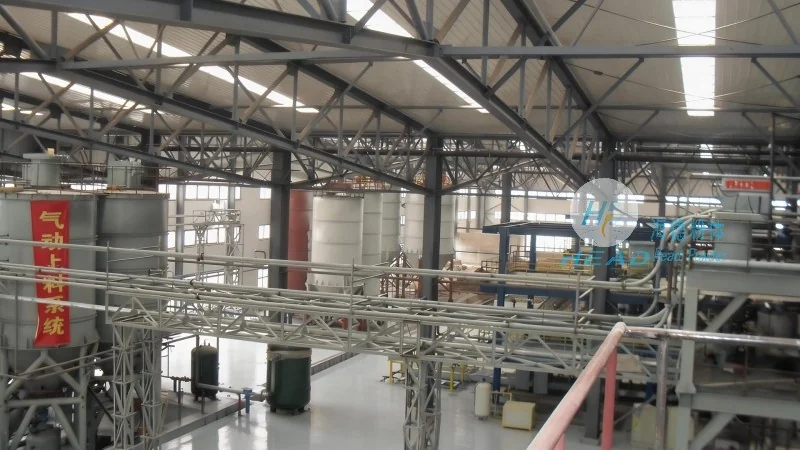
For international or cross-border transport, sea transport is the most common method due to its ability to handle massive volumes and its lower cost per unit. The company utilizes containerized shipping for lithium manganese oxide, which involves packaging the material in specialized containers designed to meet international safety standards. These containers are typically made of stainless steel or other corrosion-resistant materials and are equipped with venting systems to prevent pressure buildup. The company ensures that all containers are properly labeled with the appropriate hazardous material symbols and are handled by trained personnel at all stages of the shipping process. Sea transport is particularly advantageous for moving large quantities to global markets, providing a reliable and cost-effective solution for international customers.
Specialized Packaging and Handling for Lithium Manganese Oxide
Regardless of the transport method chosen, specialized packaging and handling procedures are essential to maintain the quality and safety of lithium manganese oxide. The company employs advanced packaging solutions that include moisture-proof and temperature-controlled containers. These containers are designed to protect the material from environmental factors that could cause degradation, such as humidity or temperature fluctuations. Additionally, the packaging is often equipped with monitoring devices that track conditions during transit, providing real-time data to ensure the cargo remains within safe parameters.
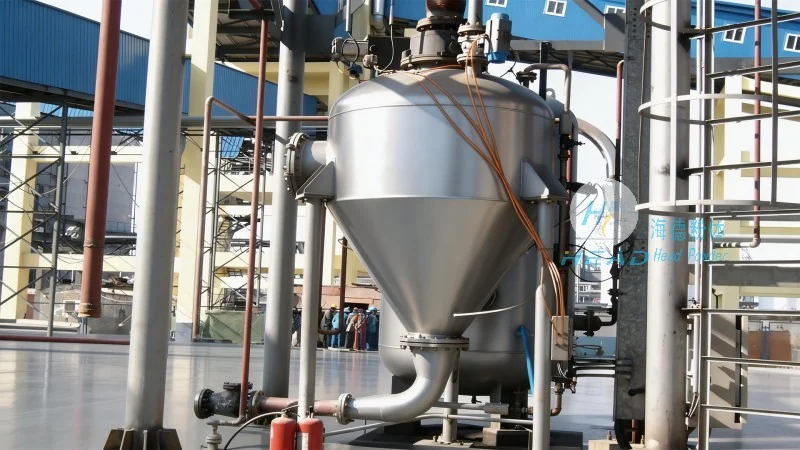
Handling procedures are also critical to prevent damage or contamination. The company's staff are trained in proper loading, unloading, and storage techniques to minimize the risk of spills or exposure. For road and rail transport, specialized equipment such as conveyor belts and loading ramps are used to ensure smooth and safe transfer of the material. For sea transport, the containers are loaded onto ships using cranes and other heavy machinery, with strict protocols in place to prevent any damage to the cargo.
Compliance and Safety Measures in Lithium Manganese Oxide Transport
Transporting lithium manganese oxide requires adherence to strict regulatory standards to ensure safety and environmental protection. The company complies with international regulations such as the International Maritime Organization (IMO) and the International Air Transport Association (IATA) guidelines for hazardous materials. This includes proper labeling, documentation, and training of personnel involved in the transport process. The company also conducts regular safety audits and inspections to ensure that all procedures are up to standard and that any potential risks are identified and mitigated.
Safety measures are a top priority during transport. The vehicles and containers used are equipped with fire suppression systems and other safety devices to prevent accidents. The company also implements emergency response plans in case of incidents, such as spills or fires. These plans are regularly reviewed and updated to ensure they remain effective and up-to-date. By adhering to these safety measures, the company ensures that lithium manganese oxide is transported safely and efficiently, meeting the needs of its customers while maintaining the highest standards of safety and quality.
Conclusion
In conclusion, the transport of lithium manganese oxide requires careful consideration of various factors, including the quantity, destination, and regulatory requirements. The company, Shandong HeadPowder Engineering Co., Ltd., utilizes a combination of road, rail, and sea transport methods, each tailored to specific needs. By employing specialized packaging, handling procedures, and safety measures, the company ensures the integrity and safety of lithium manganese oxide throughout the transportation process. As the demand for lithium manganese oxide continues to grow, the importance of efficient and reliable transport methods will only increase. The company remains committed to providing high-quality transport services that meet the evolving needs of the battery industry.

 Shandong Headpowder Engineering Co., Ltd.
 156-6277-7102(Quản lý Trương)
  0531-83386006
  Thành phố Tế Nam, Tỉnh Sơn Đông, Trung Quốc
Điện thoại
WeChatTư vấn
Lên đầu