Với hơn 10 năm kinh nghiệm về vận chuyển khí nén, Headpowder Sơn Đông cung cấp hệ thống, thiết bị và quạt gió toàn chuỗi, đảm nhận các dự án kỹ thuật bột trọn gói trên toàn quốc.
For industrial applications, the efficient and safe transport of cobalt hydroxide is crucial. This article provides a detailed comparison of common transport methods, focusing on their advantages and disadvantages, to help businesses choose the most suitable option for their operations. The information is presented by Shandong HeadPowder Engineering Co., Ltd., a leading provider in the field, with headquarters located in Shandong, China.
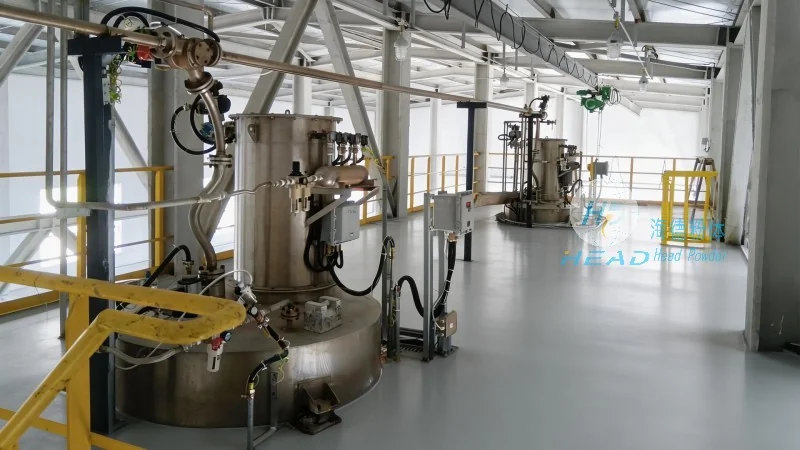
Introduction to Cobalt Hydroxide Transport
Cobalt hydroxide is a key raw material in the production of lithium-ion batteries and other high-tech products. Its transport requires careful consideration of factors such as material properties, environmental impact, and operational efficiency. Different transport methods are employed based on the scale of production, distance, and specific requirements of the end-user. This section outlines the primary transport methods used in the industry and evaluates their performance in terms of cost, safety, and reliability.
1. Bulk Tanker Truck Transport
Bulk tanker trucks are a traditional and widely used method for transporting cobalt hydroxide. These specialized vehicles are designed to handle the material's characteristics, ensuring minimal spillage and contamination. The primary advantage of this method is its flexibility, as it can reach various locations, including remote or off-grid sites. However, the process involves several drawbacks. For instance, the material's hygroscopic nature means it can absorb moisture from the air, potentially leading to clumping or degradation during transit. Additionally, the cost of transportation can be high, especially over long distances, due to fuel expenses and driver labor. Safety is another concern, as the material may pose health risks if not handled properly, requiring strict adherence to safety protocols and equipment.
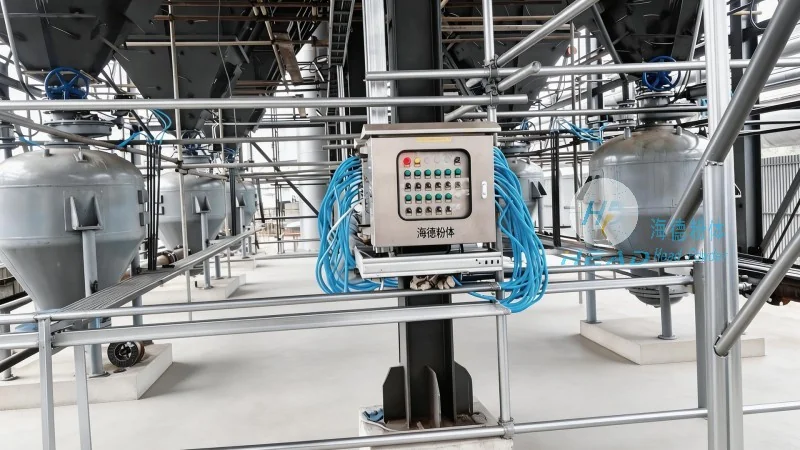
2. Containerized Shipping (Sea Freight)
Containerized shipping is a popular choice for bulk transport over long distances, particularly for international trade. Cobalt hydroxide is often packaged in specialized containers that are sealed to prevent moisture ingress. This method offers significant advantages in terms of cost-effectiveness for large-scale shipments. The use of standardized containers simplifies logistics and reduces handling time at ports. However, it also has limitations. The long transit times associated with sea freight can lead to material degradation if proper conditioning is not maintained. Moreover, the environmental impact of shipping, including emissions and potential spills, is a growing concern for many industries. The process also requires careful coordination with customs and port authorities to ensure compliance with regulations.
3. Bulk Rail Transport
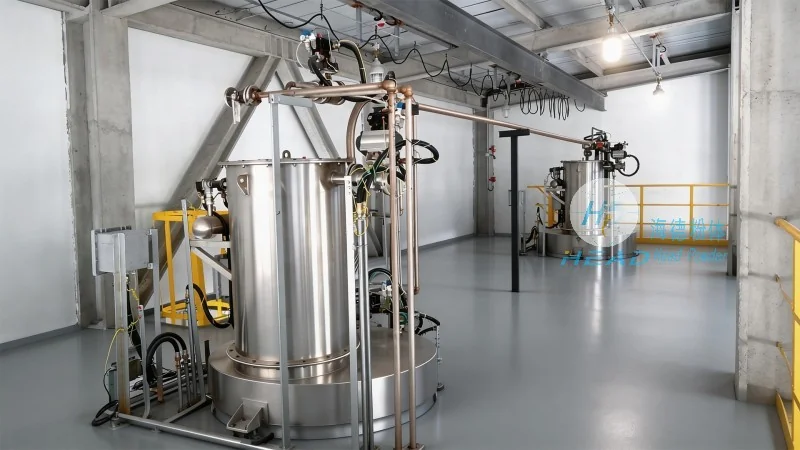
Bulk rail transport is an efficient option for moving large quantities of cobalt hydroxide over medium to long distances. Railcars are specifically designed to carry bulk materials, providing a stable and secure environment. One of the main advantages is the lower cost per ton compared to road transport, especially for high-volume shipments. This method also reduces road congestion and associated emissions, making it a more environmentally friendly choice. However, the infrastructure limitations are a significant drawback. Not all regions have adequate rail networks, and the need for specialized loading and unloading facilities can increase operational complexity. Additionally, the speed of rail transport is generally slower than road transport, which may not be suitable for time-sensitive deliveries.
4. Pipelines (for Liquid or Slurry Forms)
For certain applications where cobalt hydroxide is processed into a liquid or slurry form, pipelines offer a continuous and automated transport solution. This method is highly efficient, as it eliminates the need for manual handling and reduces the risk of spillage. The primary advantage is the ability to maintain consistent flow rates and minimize material degradation. However, the implementation of pipelines requires substantial upfront investment in infrastructure and maintenance. The material's properties, such as viscosity and potential for clogging, also pose technical challenges that need to be addressed through proper pipeline design and monitoring. Furthermore, the flexibility of this method is limited, as it is only suitable for specific plant locations connected by the pipeline network.
5. Specialized Bulk Handling Equipment
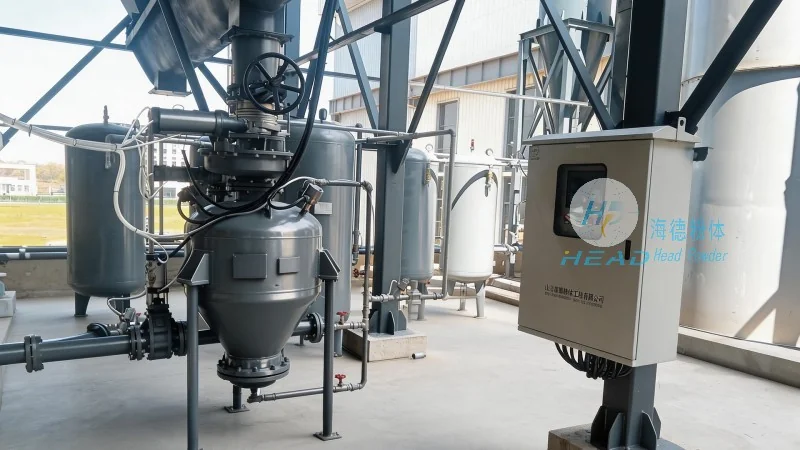
Specialized equipment, such as conveyor belts, screw conveyors, and pneumatic systems, is used for short-distance transport within industrial facilities. These methods are highly effective for internal logistics, ensuring smooth material flow from production to storage or processing units. The main advantage is the precision and control they offer, reducing material loss and improving operational efficiency. However, they are not suitable for long-distance transport and require regular maintenance to prevent breakdowns. The cost of purchasing and maintaining this equipment can also be significant, especially for small-scale operations. Additionally, the safety considerations are critical, as these systems involve moving parts and potential dust or fume generation, necessitating proper ventilation and protective measures.
Conclusion and Recommendations
Choosing the right transport method for cobalt hydroxide depends on various factors, including the scale of operation, distance, budget, and environmental considerations. Bulk tanker trucks offer flexibility but at a higher cost and risk. Containerized shipping is cost-effective for international trade but has longer transit times. Bulk rail transport balances cost and efficiency but is limited by infrastructure. Pipelines provide continuous flow but require significant investment. Specialized equipment is ideal for internal logistics but not for long-distance transport. Businesses should evaluate these options based on their specific needs and consult with experts like Shandong HeadPowder Engineering Co., Ltd. to ensure the most suitable and safe transport solution is implemented. By understanding the advantages and disadvantages of each method, companies can optimize their supply chain, reduce costs, and enhance overall operational performance.

 Shandong Headpowder Engineering Co., Ltd.
 156-6277-7102(Quản lý Trương)
  0531-83386006
  Thành phố Tế Nam, Tỉnh Sơn Đông, Trung Quốc
Điện thoại
WeChatTư vấn
Lên đầu