Với hơn 10 năm kinh nghiệm về vận chuyển khí nén, Headpowder Sơn Đông cung cấp hệ thống, thiết bị và quạt gió toàn chuỗi, đảm nhận các dự án kỹ thuật bột trọn gói trên toàn quốc.
When it comes to the efficient handling and transportation of borax granules, selecting the right conveyance method is crucial for optimizing industrial processes. Borax, a key chemical compound widely used in various industries such as glass manufacturing, detergents, and agriculture, requires reliable and effective transport solutions to ensure consistent quality and operational efficiency. This article explores the primary methods for borax granule conveyance, highlighting the technical considerations and practical applications that contribute to successful material handling in industrial settings.
Understanding Borax Granules and Their Transport Requirements
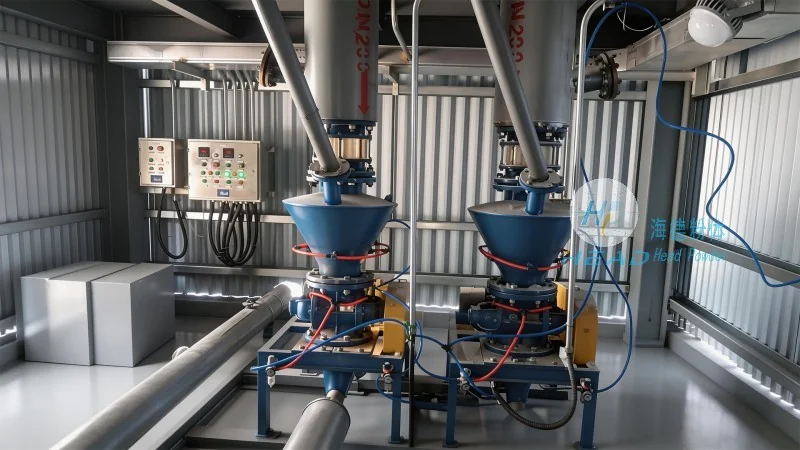
Borax granules are typically produced in a granulated form to enhance flowability and reduce dust generation during handling. These granules have specific physical properties, including size distribution, moisture content, and bulk density, which influence the choice of conveyance equipment. The goal of any borax granule conveyance system is to move the material from its source to the processing or storage location with minimal loss, contamination, and energy consumption. Proper understanding of these material characteristics is essential for selecting the most suitable conveyance method.
Common Methods for Borax Granule Conveyance
Several methods are commonly employed for the transport of borax granules, each with its own advantages and limitations. The selection of a particular method depends on factors such as the distance to be covered, the volume of material to be moved, the available space, and the specific requirements of the downstream process. The primary methods include:
1. Screw Conveyors for Borax Granules
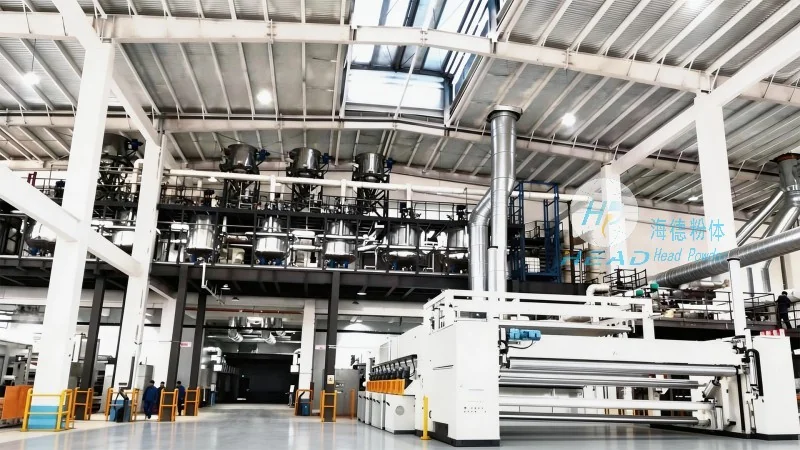
Screw conveyors, also known as auger conveyors, are widely used for borax granule transport due to their simplicity, reliability, and ability to handle a wide range of materials. These systems consist of a rotating helical screw inside a U-shaped or cylindrical trough. As the screw rotates, it pushes the granules forward, providing a continuous and controlled flow. Screw conveyors are particularly effective for horizontal or slightly inclined transport, making them suitable for short to medium distances. They are also capable of handling materials with varying moisture content and can be designed to operate in both horizontal and vertical orientations. The key advantages of screw conveyors include low maintenance requirements, minimal material degradation, and the ability to operate in closed systems to prevent dust emissions. However, they may not be as efficient for very long vertical lifts or when dealing with highly abrasive or sticky granules.
2. Pneumatic Conveying Systems
Pneumatic conveying, or air-based transport, is another popular method for borax granule conveyance, especially in applications where dust control and enclosed transport are critical. This system uses compressed air to move the granules through a pipeline. There are two main types of pneumatic conveying: dilute-phase and dense-phase. Dilute-phase systems use low air velocities to transport granules in a suspended state, suitable for short to medium distances. Dense-phase systems, on the other hand, use higher air velocities and lower material concentrations to achieve more efficient and reliable transport over longer distances. Pneumatic conveying offers the advantage of fully enclosed transport, which helps maintain material purity and reduces environmental impact. It is particularly effective for handling fine or dusty granules and can be integrated with other processing equipment. However, pneumatic systems require more energy compared to mechanical conveyors and may have higher initial costs due to the need for air compressors and pipeline infrastructure.
3. Belt Conveyors for Bulk Material Handling
Belt conveyors are widely used in bulk material handling applications, including the transport of borax granules. These systems consist of a continuous belt that moves over rollers or pulleys, transporting the material from one point to another. Belt conveyors are suitable for both horizontal and inclined transport and can handle large volumes of material over long distances. They are particularly effective for transporting granules in open or semi-open environments, such as in mining or processing plants. The key advantages of belt conveyors include high capacity, low maintenance, and the ability to transport materials at relatively high speeds. However, they require a relatively large footprint and may not be as effective for vertical lifts or when dealing with highly abrasive materials that could cause wear on the belt or pulleys.
4. Bucket Elevators for Vertical Transport
For vertical transport of borax granules, bucket elevators are commonly used. These systems consist of a vertical or inclined conveyor with buckets attached to a chain or belt. As the buckets move up the conveyor, they scoop up the granules and discharge them at the top. Bucket elevators are highly efficient for vertical lifts and can handle large volumes of material over significant heights. They are particularly suitable for applications where space is limited and vertical transport is necessary. The main advantages of bucket elevators include high capacity, low energy consumption for vertical transport, and the ability to operate in enclosed or open systems. However, they may have higher maintenance costs due to the moving parts and require careful alignment to prevent material spillage. Additionally, they may not be as effective for very fine or sticky granules that could cause the buckets to stick or clog the system.
5. Hydraulic Conveying Systems
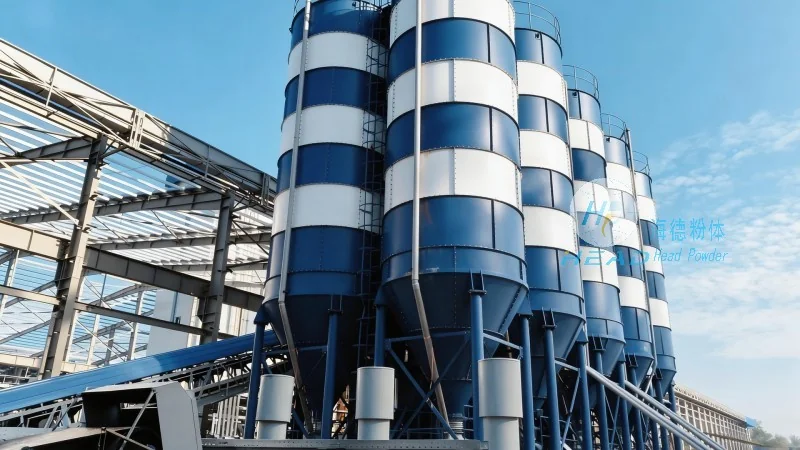
Hydraulic conveying systems use water or other fluids to transport borax granules through a pipeline. This method is particularly effective for handling materials that are difficult to convey using air or mechanical means, such as wet or sticky granules. The granules are suspended in the fluid and moved through the pipeline by the flow of the fluid. Hydraulic conveying offers the advantage of being able to handle materials with high moisture content and can be used for both horizontal and vertical transport. It is particularly suitable for applications where dust control is a priority and where the material is prone to degradation or contamination. However, hydraulic systems require more complex infrastructure, including pumps and filtration systems, and may have higher operating costs due to the need for fluid management. Additionally, they may not be as efficient for very long distances or when dealing with large volumes of material.
Choosing the Right Conveyance Method for Borax Granules
The selection of the most appropriate borax granule conveyance method depends on several factors, including the specific characteristics of the material, the distance to be covered, the required capacity, and the operational environment. It is essential to consider the cost-effectiveness, efficiency, and maintenance requirements of each method to ensure optimal performance. For example, screw conveyors may be the best choice for short horizontal transport of relatively dry granules, while pneumatic systems may be more suitable for long-distance transport of fine or dusty materials. Vertical transport may require bucket elevators, and hydraulic systems could be used for wet or sticky granules. By carefully evaluating these factors and selecting the appropriate conveyance method, industrial operations can achieve efficient and reliable transport of borax granules, minimizing downtime and maximizing productivity.

 Shandong Headpowder Engineering Co., Ltd.
 156-6277-7102(Quản lý Trương)
  0531-83386006
  Thành phố Tế Nam, Tỉnh Sơn Đông, Trung Quốc
Điện thoại
WeChatTư vấn
Lên đầu