Với hơn 10 năm kinh nghiệm về vận chuyển khí nén, Headpowder Sơn Đông cung cấp hệ thống, thiết bị và quạt gió toàn chuỗi, đảm nhận các dự án kỹ thuật bột trọn gói trên toàn quốc.
Efficient and reliable transport of copper concentrate powder is a critical aspect of industrial operations within the copper processing sector. The choice of conveying method directly impacts productivity, operational costs, and overall process safety. In this article, we will provide a detailed comparison of common copper concentrate powder conveying methods, focusing on their technical features, advantages, and typical applications. The information is presented by Shandong HeadPowder Engineering Co., Ltd., a leading engineering firm specializing in material handling solutions, with a commitment to delivering tailored systems that meet the specific requirements of copper processing facilities.
1. Air-Pneumatic Conveying Systems
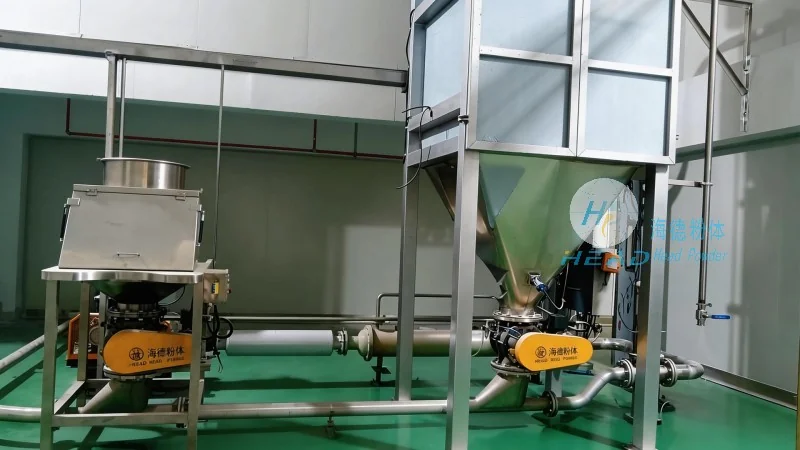
Air-pneumatic conveying, also known as pneumatic conveying, is a widely adopted method for transporting copper concentrate powder. This technology utilizes compressed air to move material through a pipeline, with two primary configurations: pressure and vacuum systems. Pressure systems operate by pushing material forward using positive pressure, while vacuum systems rely on negative pressure to pull material through the line. The selection between these depends on factors such as the distance to be covered, the material's physical properties (e.g., particle size, moisture content), and the layout of the processing plant. Air-pneumatic conveying offers several key advantages, including the ability to handle fine powders without clogging, low maintenance requirements, and flexibility in system design. It is particularly effective for long-distance transport and can be integrated with other processing equipment, such as crushers or classifiers. However, it may require higher energy consumption compared to other methods, and proper dust control measures are essential to comply with environmental regulations and ensure workplace safety. Shandong HeadPowder Engineering Co., Ltd. specializes in designing customized air-pneumatic systems tailored to the unique demands of copper concentrate applications, optimizing performance and minimizing operational costs.
2. Belt Conveyor Systems
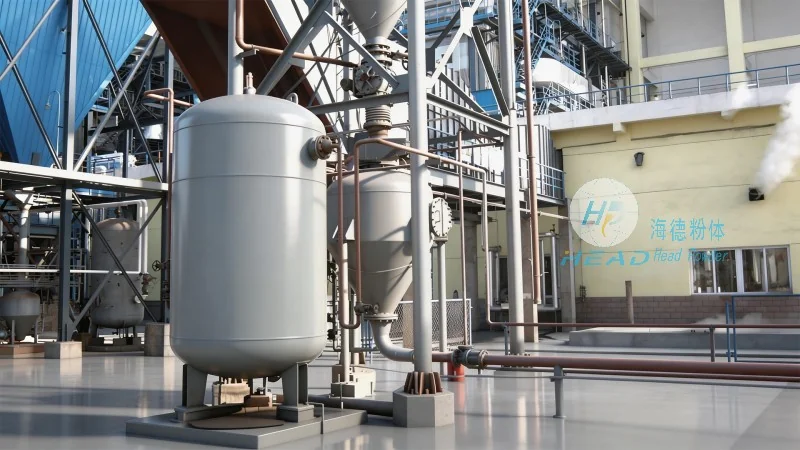
Belt conveyors are another common and effective method for copper concentrate powder transport. These systems consist of a continuous loop of belt that moves material from one point to another. The belt is typically made of durable materials like rubber or synthetic fabrics, designed to withstand the abrasive nature of copper concentrate. Belt conveyors are suitable for both short and long-distance transport, and they can handle large volumes of material efficiently. One of the key advantages of belt conveyors is their high capacity and low operating cost per tonne. They are also relatively simple to install and maintain, making them a popular choice for many copper processing plants. However, belt conveyors may face challenges with material buildup on the belt, especially with fine powders, which can lead to inefficiencies and maintenance issues. Proper cleaning and maintenance protocols are crucial to ensure optimal performance. Shandong HeadPowder Engineering Co., Ltd. offers tailored belt conveyor solutions that address these challenges, ensuring reliable and efficient material transport.
3. Screw Conveyors
Screw conveyors, also known as auger conveyors, are another method used for copper concentrate powder transport. These systems use a rotating screw or auger to move material along a trough. Screw conveyors are particularly effective for handling bulk materials and can be used in both horizontal and inclined configurations. They are known for their simplicity and low cost, making them a cost-effective solution for many applications. The design of the screw conveyor, including the pitch and diameter of the screw, can be adjusted to suit the specific characteristics of the copper concentrate, such as particle size and moisture content. Screw conveyors are also suitable for transporting materials in a closed system, which helps in controlling dust and maintaining a clean environment. However, they may not be as efficient for very fine powders or materials with high moisture content, as the screw can cause clogging. Regular maintenance and proper material feed are crucial to prevent operational issues. Shandong HeadPowder Engineering Co., Ltd. provides screw conveyor systems that are engineered to handle the unique demands of copper concentrate, ensuring smooth and reliable operation.
4. Hydraulic Conveying
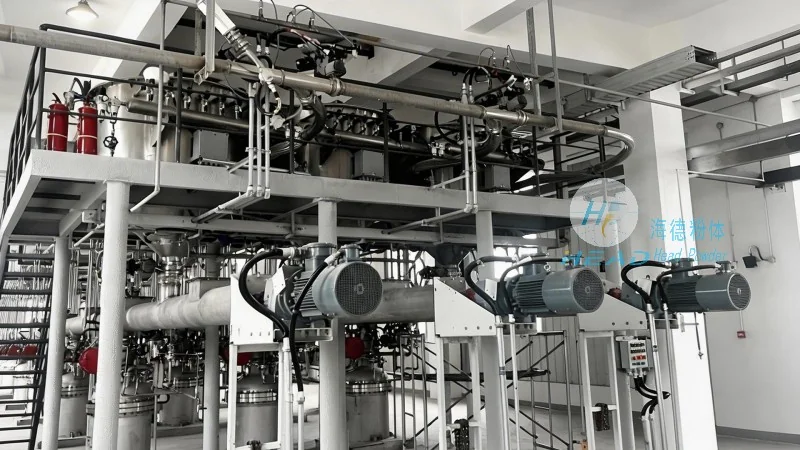
Hydraulic conveying is a less common but specialized method for copper concentrate powder transport. This system uses water or a slurry to transport the material through a pipeline. The copper concentrate is mixed with water to form a slurry, which is then pumped through the system. Hydraulic conveying is particularly effective for transporting materials over long distances and in challenging terrains. It offers the advantage of being able to handle very fine powders and abrasive materials without causing significant wear on the system components. However, hydraulic systems require a significant amount of water and energy, and the disposal of the slurry can be a challenge. Proper treatment and recycling of the water are essential to minimize environmental impact. Shandong HeadPowder Engineering Co., Ltd. explores hydraulic conveying solutions for specific applications where other methods may not be suitable, providing innovative and sustainable transport options.
5. Comparing the Methods
When selecting a copper concentrate powder conveying method, several factors must be considered, including the distance of transport, the volume of material, the characteristics of the powder (such as particle size, moisture content, and abrasiveness), and the available budget. Air-pneumatic systems are ideal for long-distance transport and fine powders, while belt conveyors offer high capacity and low cost for bulk materials. Screw conveyors are suitable for horizontal or inclined transport and are cost-effective for moderate volumes. Hydraulic conveying is best for specialized applications requiring long-distance transport in challenging environments. Shandong HeadPowder Engineering Co., Ltd. works closely with clients to assess their specific needs and recommend the most appropriate conveying method, ensuring optimal performance and cost-effectiveness. By understanding the strengths and limitations of each method, industrial facilities can make informed decisions that enhance their operational efficiency and sustainability.

 Shandong Headpowder Engineering Co., Ltd.
 156-6277-7102(Quản lý Trương)
  0531-83386006
  Thành phố Tế Nam, Tỉnh Sơn Đông, Trung Quốc
Điện thoại
WeChatTư vấn
Lên đầu