Với hơn 10 năm kinh nghiệm về vận chuyển khí nén, Headpowder Sơn Đông cung cấp hệ thống, thiết bị và quạt gió toàn chuỗi, đảm nhận các dự án kỹ thuật bột trọn gói trên toàn quốc.
Ceramic particles, widely utilized in industries such as ceramics, glass, and chemical processing, require efficient and reliable conveying systems to ensure smooth production flow. The choice of conveying method significantly impacts operational efficiency, material integrity, and overall production costs. This article provides a detailed comparison of common ceramic particle conveying methods, highlighting their applications, advantages, and considerations for different industrial scenarios.
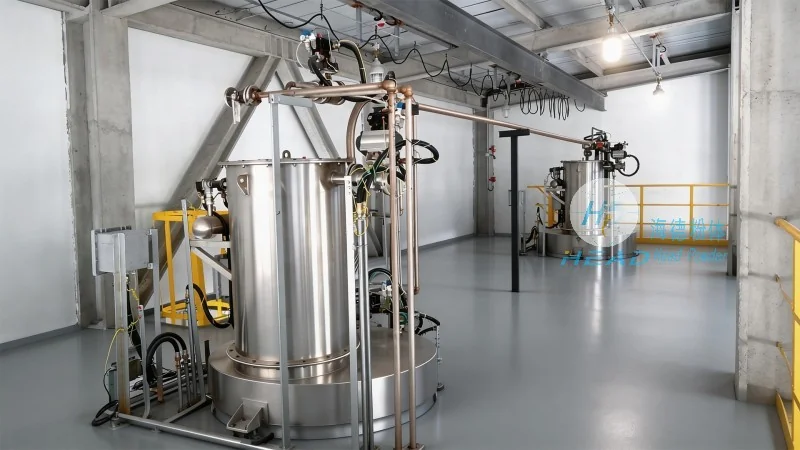
1. Screw Conveyors for Ceramic Particle Transport
HeadPowder's screw conveyors are a popular choice for transporting ceramic powders and granules. These devices utilize a rotating screw (helix) to move materials along a U-shaped or tubular housing. The screw's pitch and speed can be adjusted to control the conveying rate and prevent material degradation. For ceramic particles, which are often abrasive and sensitive to impact, the smooth, low-friction surfaces of the screw and housing minimize wear and maintain particle integrity. Screw conveyors are particularly effective for horizontal or slightly inclined transport, making them suitable for feeding hoppers, blending systems, and packaging lines. They offer a compact design that saves space in production facilities, and their enclosed structure helps contain dust and prevent contamination. However, screw conveyors may struggle with high-capacity or highly abrasive materials, as the screw and housing can wear quickly under such conditions. Regular maintenance, including lubrication and component replacement, is essential to ensure long-term performance.
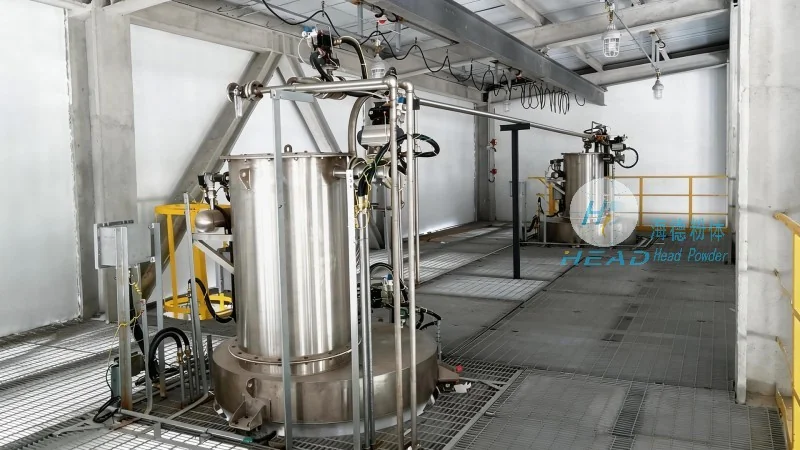
2. Pneumatic Conveying Systems for Ceramic Powders
HeadPowder's pneumatic conveying systems use air or other gases to transport ceramic particles through a pipeline network. This method is ideal for handling fine powders and granules that are difficult to convey mechanically. There are two main types of pneumatic conveying: dilute-phase and dense-phase. Dilute-phase systems use low air velocities to transport particles in a dispersed state, suitable for short distances and low to medium capacities. Dense-phase systems, on the other hand, use higher air pressures and lower velocities to move particles in a slurry-like state, which is more efficient for long-distance transport and high capacities. Pneumatic conveying offers advantages such as minimal product degradation, as particles are not subjected to mechanical stress, and the ability to transport materials vertically, horizontally, or in a combination of both. It also allows for easy integration with other processing equipment, such as mixers and classifiers. However, pneumatic systems require higher energy input compared to mechanical conveyors, and they may be less suitable for very fine or cohesive powders that tend to agglomerate. Proper air filtration and system maintenance are crucial to prevent dust accumulation and ensure consistent performance.
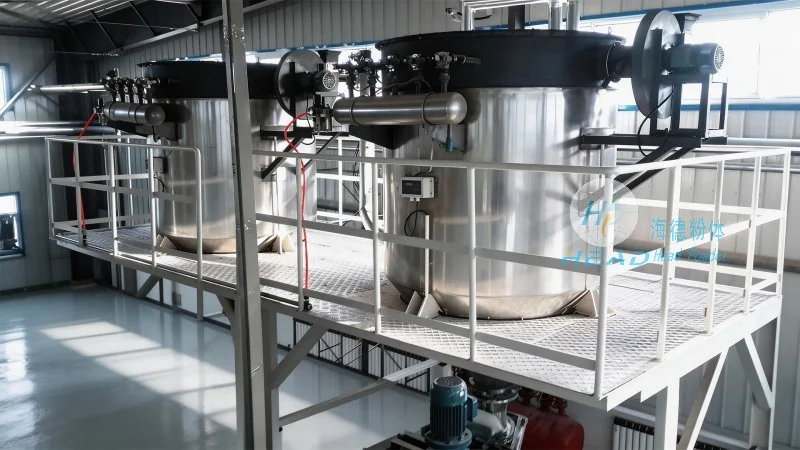
3. Vibratory Conveyors for Bulk Ceramic Materials
Vibratory conveyors from HeadPowder employ a vibrating motion to move ceramic bulk materials along a trough. The conveyor consists of a trough supported by springs or a vibrating motor, which generates a sinusoidal or elliptical motion. This motion causes the material to move forward by a series of steps, reducing the risk of material degradation compared to high-speed belt conveyors. Vibratory conveyors are well-suited for handling abrasive and heavy ceramic materials, as the low impact and gentle motion minimize wear on both the material and the conveyor components. They are commonly used in applications such as raw material feeding, storage silo discharge, and material transfer between processing stages. The design of vibratory conveyors allows for easy cleaning and maintenance, as the trough can be easily accessed for inspection and cleaning. However, these systems may have lower throughput compared to screw or pneumatic conveyors, and they require careful alignment and balance to avoid excessive vibration and noise. Proper vibration control and regular component inspection are necessary to maintain optimal performance.
4. Comparison of Conveying Methods: Key Factors to Consider
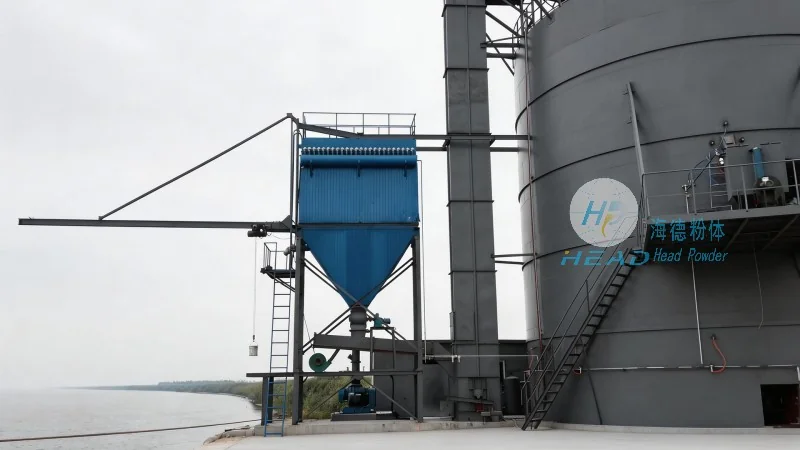
When selecting a ceramic particle conveying method, several factors must be considered to ensure the best fit for a specific application. The primary factors include material characteristics (particle size, density, abrasiveness, and moisture content), conveying distance and layout (horizontal, vertical, or combined), required capacity and throughput, and operational environment (e.g., dust control and space constraints). Screw conveyors excel in horizontal transport of non-abrasive materials but may not handle fine powders efficiently. Pneumatic systems are superior for fine powders and long-distance transport but consume more energy. Vibratory conveyors offer gentle handling for abrasive materials but have lower throughput. The choice also depends on the budget and maintenance requirements, as each system has different installation and operational costs. For example, screw conveyors are generally lower in initial cost but may require more frequent maintenance due to wear. Pneumatic systems have higher upfront costs but lower maintenance needs for the conveying components. Vibratory conveyors fall in between, with moderate costs and maintenance requirements.
Conclusion: Choosing the Right Conveying Solution for Ceramic Particles
Efficient and reliable conveying of ceramic particles is critical to maintaining production efficiency and product quality. HeadPowder, with its expertise in engineering and manufacturing, offers a range of conveying solutions tailored to the unique needs of ceramic industries. By understanding the characteristics of different conveying methods and considering factors such as material properties, distance, and capacity, manufacturers can select the most appropriate system to optimize their operations. Whether using screw, pneumatic, or vibratory conveyors, the goal is to ensure minimal material degradation, consistent flow, and cost-effective operation. With proper selection and maintenance, these conveying systems can significantly enhance productivity and extend the lifespan of ceramic processing equipment. Shandong HeadPowder Engineering Co., Ltd., based in China, continues to innovate and provide high-quality conveying solutions to meet the evolving demands of the ceramic industry.

 Shandong Headpowder Engineering Co., Ltd.
 156-6277-7102(Quản lý Trương)
  0531-83386006
  Thành phố Tế Nam, Tỉnh Sơn Đông, Trung Quốc
Điện thoại
WeChatTư vấn
Lên đầu