Với hơn 10 năm kinh nghiệm về vận chuyển khí nén, Headpowder Sơn Đông cung cấp hệ thống, thiết bị và quạt gió toàn chuỗi, đảm nhận các dự án kỹ thuật bột trọn gói trên toàn quốc.
When it comes to processing corn kernels in agricultural and industrial settings, the efficiency of material handling is paramount. The choice of conveying method directly impacts productivity, cost-effectiveness, and the overall quality of the corn kernel processing operation. This article provides a detailed comparison of common corn kernel conveying methods, highlighting their characteristics, advantages, and limitations. The information is presented with a focus on practical applications and the expertise of Shandong HeadPowder Engineering Co., Ltd., a leading provider in the field.
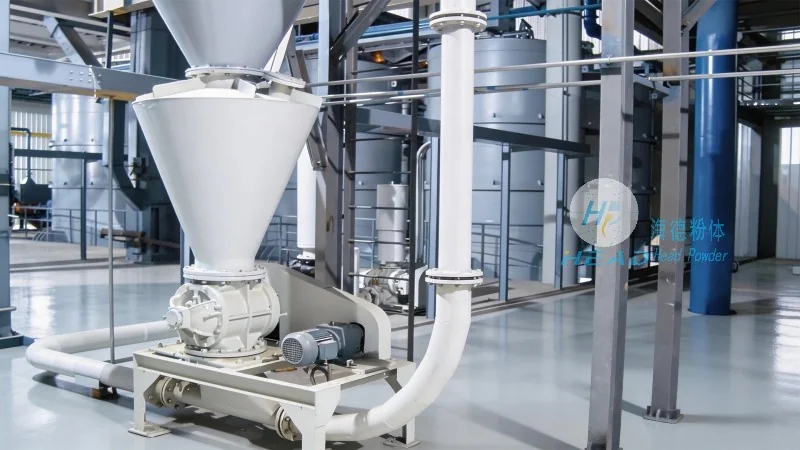
Introduction to Corn Kernel Conveying
Corn kernel conveying involves the movement of corn kernels from one location to another within a processing facility. This step is critical in various stages of corn processing, including storage, cleaning, drying, and further processing into products like cornmeal, corn syrup, or animal feed. The selection of an appropriate conveying method depends on several factors, such as the volume of corn kernels to be handled, the distance over which they need to be transported, the physical properties of the corn kernels (e.g., size, moisture content, and density), and the specific requirements of the processing line.
Gravity Conveying Systems
Gravity conveying systems utilize the natural force of gravity to move corn kernels from a higher elevation to a lower one. These systems typically consist of inclined chutes or hoppers that allow the corn kernels to slide down under the influence of gravity. The primary advantage of gravity conveying is its simplicity and low operational cost, as it requires minimal energy input and has no moving parts that might wear out or require maintenance. However, gravity conveying is limited by the need for a sufficient vertical drop and is not suitable for horizontal or uphill transport. It is most effective for short distances and when the corn kernels are relatively dry and free-flowing.
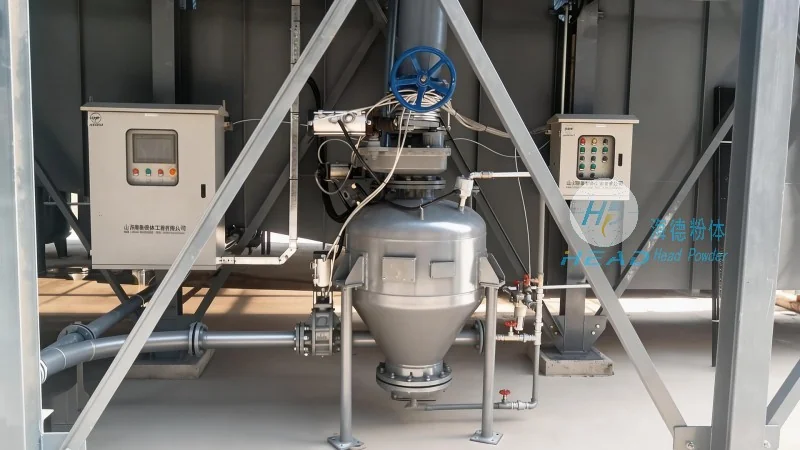
Mechanical Conveying Methods
Mechanical conveying systems use mechanical energy to move corn kernels. Two common types are belt conveyors and screw conveyors. Belt conveyors consist of a continuous belt that moves over rollers or pulleys, with the corn kernels placed on the belt and carried to the destination. Screw conveyors, also known as augers, use a rotating screw to push the corn kernels forward. Both types of mechanical conveyors are versatile and can handle a wide range of corn kernel volumes and distances. They are capable of both horizontal and inclined transport, making them suitable for various processing layouts. The main advantages include high capacity, reliability, and the ability to handle both dry and slightly moist corn kernels. However, mechanical conveyors require regular maintenance, as the belts or screws may wear out over time, and they can generate dust, which may require additional dust control measures.
Air Conveying Systems (Pneumatic Conveying)
Air conveying systems, or pneumatic conveying, use air pressure to transport corn kernels through a pipeline. This method is particularly effective for handling fine or powdery materials, but it can also be adapted for corn kernels. There are two main types: pressure and vacuum systems. In pressure systems, air is blown into a pipeline containing the corn kernels, pushing them forward. In vacuum systems, a vacuum is created at the receiving end, drawing the corn kernels through the pipeline. Air conveying offers several advantages, including the ability to transport corn kernels over long distances and even vertically, with minimal product degradation. It is also suitable for handling corn kernels with high moisture content or those that are prone to breakage. However, air conveying can be more complex and expensive to install and maintain compared to other methods. It also requires careful control of air pressure and flow to prevent product degradation or blockages.
Comparison of Conveying Methods
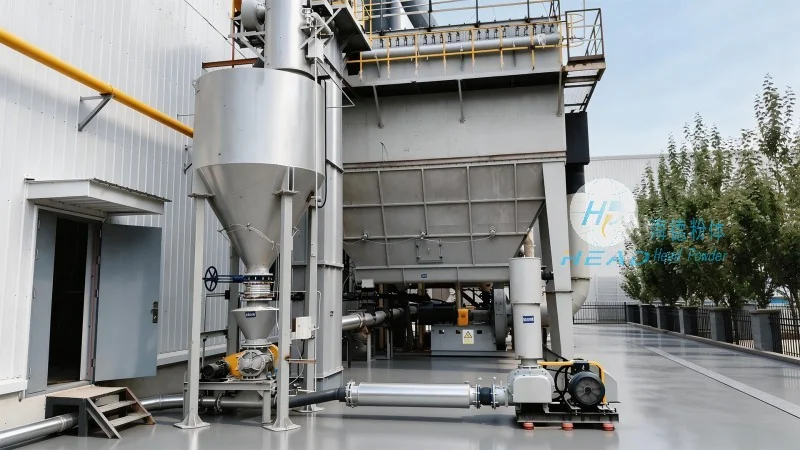
When comparing the different corn kernel conveying methods, several factors must be considered. Gravity conveying is the most cost-effective for short vertical drops but is limited in its application. Mechanical conveyors, such as belt and screw conveyors, offer high capacity and reliability but require more maintenance. Air conveying provides flexibility for long-distance and vertical transport but is more complex and costly. The choice of method ultimately depends on the specific needs of the corn processing operation, including the volume of corn kernels, the distance to be covered, and the physical properties of the kernels. Shandong HeadPowder Engineering Co., Ltd. specializes in designing and manufacturing customized conveying systems that optimize these factors for each client's unique requirements.
Conclusion and Recommendations
Selecting the right corn kernel conveying method is a critical decision for any corn processing facility. By understanding the characteristics and limitations of each method, facility managers can make informed choices that enhance efficiency, reduce costs, and improve product quality. Shandong HeadPowder Engineering Co., Ltd. provides expert guidance and tailored solutions to help clients select and implement the most suitable conveying system for their operations. Whether it's a gravity system for short vertical transport or a pneumatic system for long-distance handling, the company's expertise ensures that the chosen method meets the specific needs of the client while adhering to industry standards and best practices.

 Shandong Headpowder Engineering Co., Ltd.
 156-6277-7102(Quản lý Trương)
  0531-83386006
  Thành phố Tế Nam, Tỉnh Sơn Đông, Trung Quốc
Điện thoại
WeChatTư vấn
Lên đầu