Với hơn 10 năm kinh nghiệm về vận chuyển khí nén, Headpowder Sơn Đông cung cấp hệ thống, thiết bị và quạt gió toàn chuỗi, đảm nhận các dự án kỹ thuật bột trọn gói trên toàn quốc.
For companies dealing with color masterbatch, selecting and designing an efficient pneumatic conveying system is crucial for maintaining product quality and operational efficiency. This guide from Shandong HeadPowder Engineering Co., Ltd. (headpowder) outlines the key considerations and steps to develop a suitable system for your production needs.
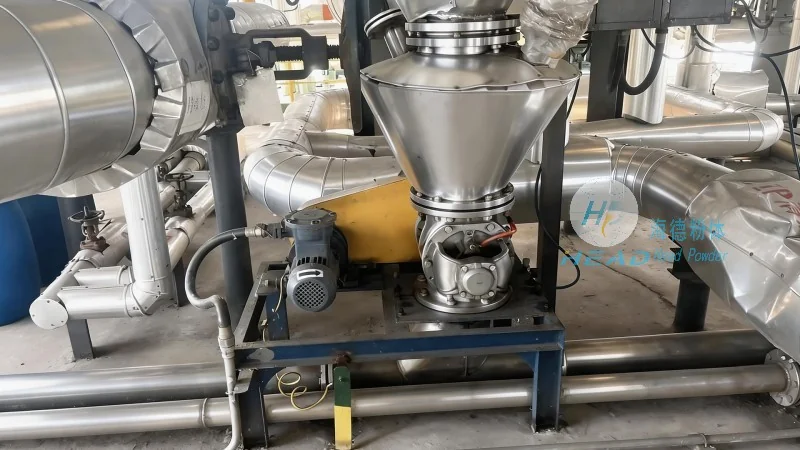
Understanding the Core Components of a Pneumatic Conveying System
A pneumatic conveying system for color masterbatch typically consists of several essential components. These include the hopper or feeder, the conveying line (air ducts), the air compressor or blower, and the receiver or discharge unit. Each component plays a vital role in ensuring the smooth and reliable transport of the masterbatch material. The choice of materials for these components is critical, as color masterbatch often contains pigments and additives that may be abrasive or sensitive to moisture.
Key Design Factors for Optimal Performance
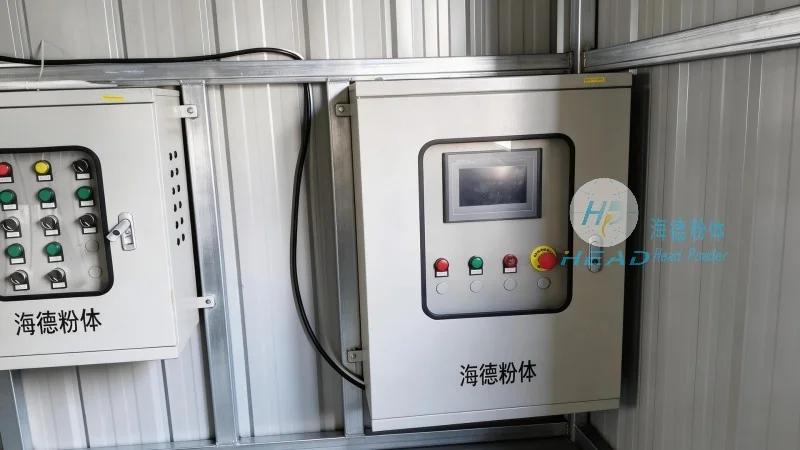
When designing a pneumatic conveying system for color masterbatch, several factors must be carefully evaluated. First, the material characteristics of the color masterbatch, such as particle size, density, and flowability, directly impact the system's design. Larger or denser particles may require higher air velocities or more robust equipment to prevent blockages. Second, the system's capacity and throughput requirements must align with the production scale. A system that is too small will lead to bottlenecks, while an oversized system may result in unnecessary energy consumption and increased maintenance costs.
Choosing the Right Conveying Technology
There are two primary types of pneumatic conveying systems: pressure and vacuum. Pressure systems use a positive pressure to push the material through the line, while vacuum systems use a negative pressure to pull the material. For color masterbatch, pressure systems are often preferred due to their ability to handle higher material loads and their suitability for long-distance conveying. However, vacuum systems can be more cost-effective for shorter distances or when handling lighter materials.
System Sizing and Airflow Considerations
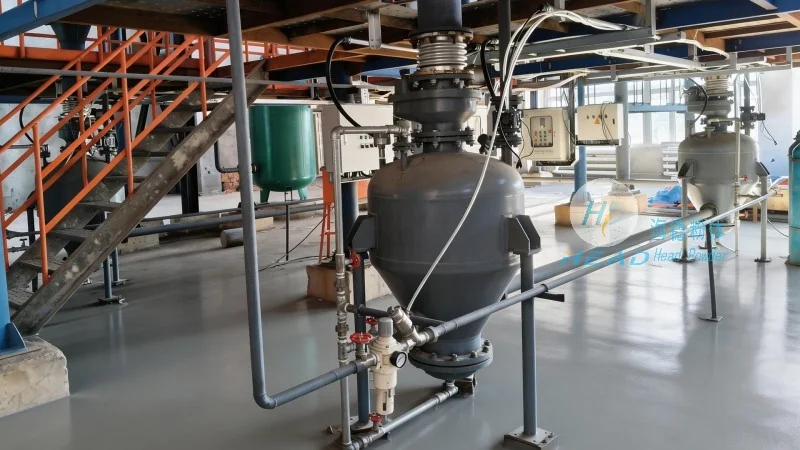
Accurately calculating the required airflow is a critical step in system design. The airflow rate must be sufficient to maintain the material in suspension and prevent settling or blockages. This calculation involves considering the material's bulk density, particle size distribution, and the system's length and layout. Shandong HeadPowder Engineering Co., Ltd. employs advanced engineering methods to determine the optimal airflow, ensuring that the system operates efficiently and within the manufacturer's specifications.
Equipment Selection and Material Compatibility
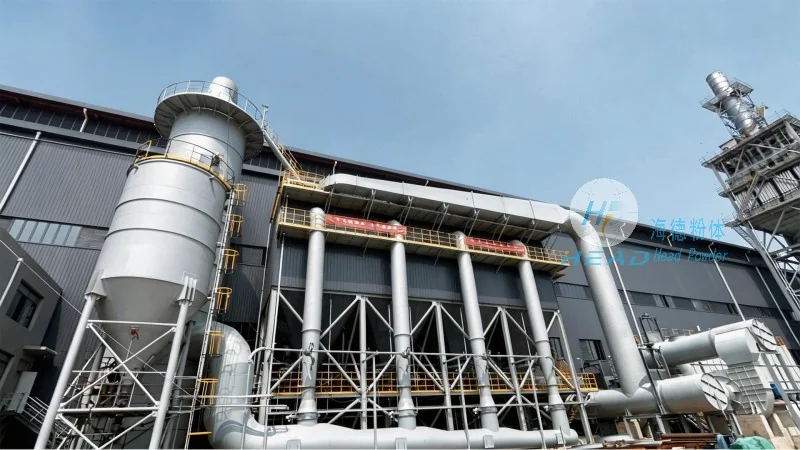
The selection of equipment, such as the air compressor, hopper, and conveying line, must consider the compatibility with color masterbatch. For instance, the air compressor should be capable of delivering the required pressure and volume without introducing contaminants like oil or moisture, which could affect the quality of the masterbatch. The hopper and feeder should be designed to minimize material bridging and ensure consistent feeding, while the conveying line should be made of materials that are resistant to abrasion and corrosion from the pigments.
Integration with Production Processes
A well-designed pneumatic conveying system should seamlessly integrate with the existing production processes. This includes considerations for the system's connection points with storage silos, processing equipment, and packaging lines. Proper integration ensures that the masterbatch is delivered to the production line in a controlled manner, maintaining the color consistency and quality of the final product. Shandong HeadPowder Engineering Co., Ltd. specializes in customizing systems to fit the specific workflow of their clients, ensuring that the conveying system enhances overall operational efficiency.
Maintenance and Operational Considerations
Regular maintenance is essential to keep the pneumatic conveying system operating at peak performance. This includes cleaning the conveying line, checking for wear and tear on components, and monitoring air pressure and flow rates. Proper maintenance can extend the system's lifespan and reduce the risk of downtime. Additionally, training operators on the proper use and care of the system is crucial for maintaining its efficiency and reliability.

 Shandong Headpowder Engineering Co., Ltd.
 156-6277-7102(Quản lý Trương)
  0531-83386006
  Thành phố Tế Nam, Tỉnh Sơn Đông, Trung Quốc
Điện thoại
WeChatTư vấn
Lên đầu