Với hơn 10 năm kinh nghiệm về vận chuyển khí nén, Headpowder Sơn Đông cung cấp hệ thống, thiết bị và quạt gió toàn chuỗi, đảm nhận các dự án kỹ thuật bột trọn gói trên toàn quốc.
When it comes to the efficient handling and transportation of mica sand, selecting the right conveying method is crucial for industrial applications. Mica sand, known for its unique optical properties and industrial uses, requires specialized equipment to ensure safe and effective movement from source to destination. This article provides a detailed comparison of common mica sand conveying methods, highlighting their advantages, limitations, and suitability for different operational scenarios.
Overview of Mica Sand and Conveying Challenges
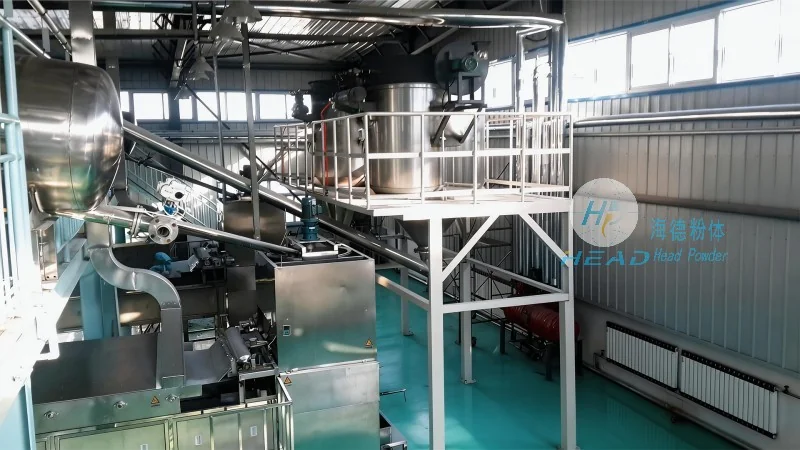
Mica sand, a natural mineral with a flaky structure, is widely used in coatings, plastics, and other industrial products. Its lightweight and slippery nature presents unique challenges during transportation. Traditional bulk materials may rely on gravity or mechanical systems, but mica sand demands more precise control to prevent segregation and loss. The choice of conveying method directly impacts production efficiency, material quality, and operational costs.
Gravity Conveying Systems
Gravity conveying systems utilize the natural slope of the material to move mica sand without external power. These systems are often simple in design, consisting of inclined chutes or troughs that allow the sand to flow downward under gravity. While cost-effective and low-maintenance, gravity conveying is limited by the available headroom and the angle of inclination. For mica sand, which can be prone to sticking or bridging, this method may not be suitable for long-distance or vertical transport. The efficiency of gravity systems is highly dependent on the material's density and the slope's steepness, making them ideal only for short horizontal or gentle incline applications.
Pneumatic Conveying: Air-Driven Transport
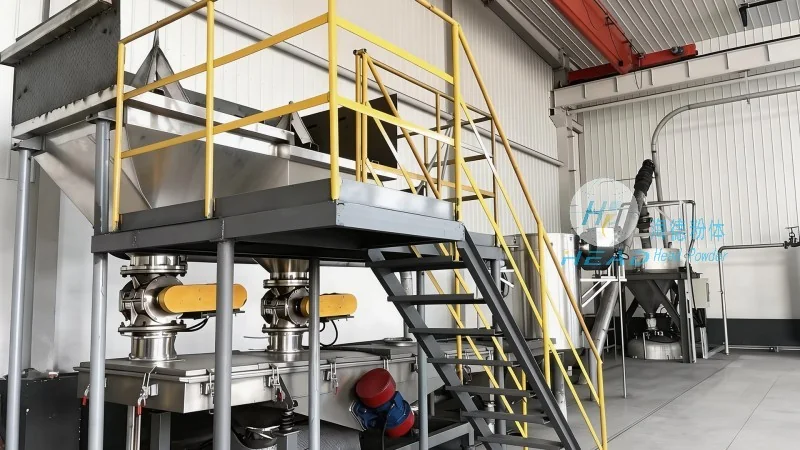
Pneumatic conveying uses compressed air to transport mica sand through a pipeline system. This method offers flexibility in routing, as the pipeline can be installed in various configurations, including vertical and horizontal segments. The air pressure and velocity are carefully controlled to prevent material degradation and ensure consistent flow. Pneumatic systems are particularly effective for handling fine or abrasive materials like mica sand, as they minimize mechanical wear and reduce the risk of product contamination. However, they require higher energy input and may experience pressure drops over long distances, which can affect system performance. The choice of air velocity and pipeline diameter is critical to maintain optimal conveying efficiency.
Mechanical Conveying: Belt and Screw Conveyors
Mechanical conveyors, such as belt and screw conveyors, are widely used in industrial settings for bulk material transport. Belt conveyors use a continuous belt to move mica sand along a fixed path, while screw conveyors employ a rotating helical screw to push material forward. These systems are robust and reliable, capable of handling large volumes of mica sand with minimal maintenance. Belt conveyors are suitable for horizontal and slight incline transport, while screw conveyors excel in vertical or compact spaces. However, mechanical conveyors may cause some degree of material attrition, especially if the belt or screw is not properly maintained. The design of the conveyor, including the belt tension and screw pitch, must be optimized to prevent mica sand from slipping or jamming.
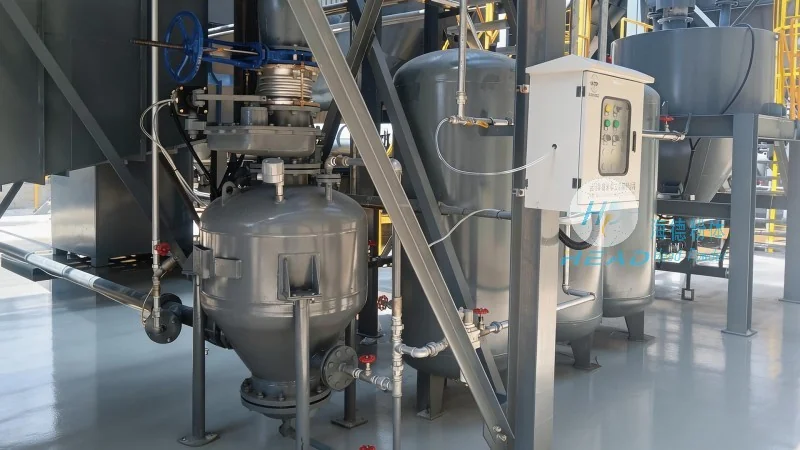
Hybrid Conveying Solutions
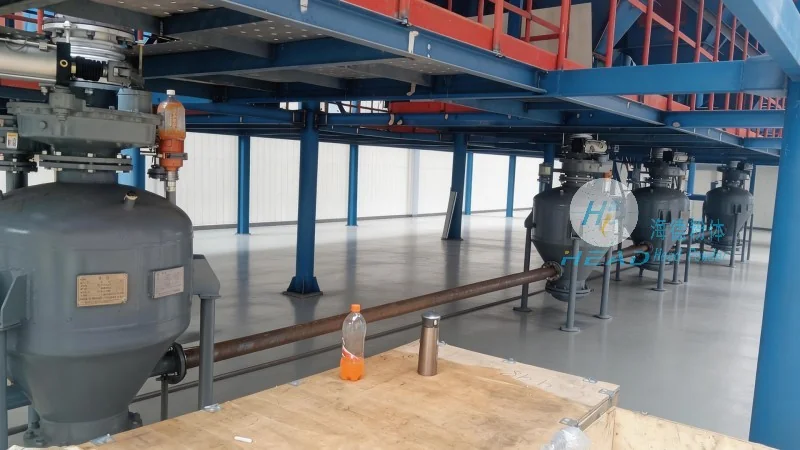
In many industrial applications, a combination of methods is employed to address specific challenges. For example, a hybrid system might use a screw conveyor to feed mica sand into a pneumatic pipeline for long-distance transport. This approach leverages the strengths of each method: the screw conveyor ensures consistent feeding, while the pneumatic system handles the final transport. Hybrid solutions are particularly useful when dealing with varying material flow rates or complex layouts. They require careful integration to ensure smooth operation and minimal downtime.
Factors Influencing Conveying Method Selection
The selection of a mica sand conveying method depends on several key factors, including the material's properties, operational requirements, and budget constraints. Material characteristics such as particle size, density, and moisture content affect the choice of system. For instance, fine mica sand may require pneumatic conveying to avoid segregation, while larger flakes might be better suited for mechanical systems. Operational factors, such as the distance between the source and destination, the required flow rate, and the need for vertical transport, also play a critical role. Cost considerations, including initial investment and long-term maintenance, must be evaluated to determine the most economical solution.
Conclusion
Each mica sand conveying method has its own advantages and limitations, and the optimal choice depends on the specific application and operational needs. Gravity systems offer simplicity and low cost for short distances, while pneumatic and mechanical systems provide greater flexibility and efficiency for larger or more complex setups. By understanding the unique properties of mica sand and the capabilities of each conveying method, industrial operators can select the most suitable system to ensure safe, efficient, and cost-effective transportation. As a leading provider of mica sand processing solutions, Shandong HeadPowder Engineering Co., Ltd. specializes in designing and implementing customized conveying systems tailored to the diverse needs of the industry.

 Shandong Headpowder Engineering Co., Ltd.
 156-6277-7102(Quản lý Trương)
  0531-83386006
  Thành phố Tế Nam, Tỉnh Sơn Đông, Trung Quốc
Điện thoại
WeChatTư vấn
Lên đầu