Với hơn 10 năm kinh nghiệm về vận chuyển khí nén, Headpowder Sơn Đông cung cấp hệ thống, thiết bị và quạt gió toàn chuỗi, đảm nhận các dự án kỹ thuật bột trọn gói trên toàn quốc.
Perlite sand, a lightweight aggregate widely used in construction and industrial applications, requires efficient and reliable conveyance methods to ensure smooth material handling and processing. As a leading manufacturer and supplier of high-quality perlite products, Shandong HeadPowder Engineering Co., Ltd. (commonly known as HeadPowder) specializes in providing advanced solutions for perlite sand transportation. This article explores the various methods of perlite sand conveyance, highlighting the key considerations and technologies used in the industry.
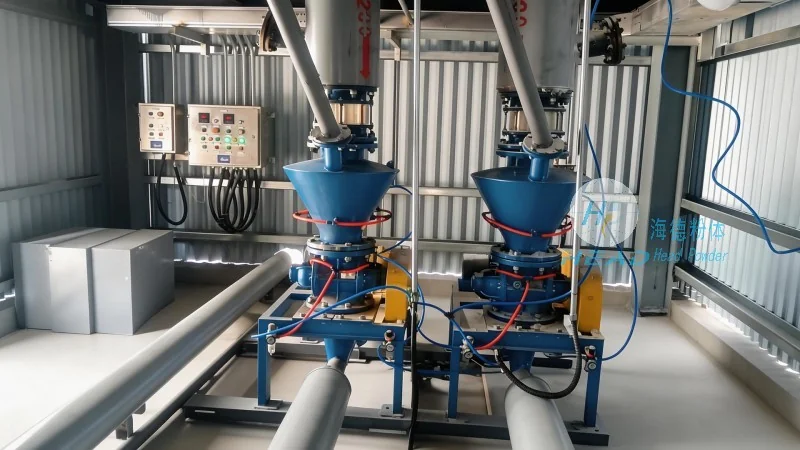
Overview of Perlite Sand Conveyance
Perlite sand, characterized by its low density and high porosity, presents unique challenges in transportation due to its light weight and potential for dust generation. Effective conveyance systems must balance efficiency, cost, and environmental considerations while maintaining the integrity of the perlite sand. The choice of conveyance method depends on factors such as the volume of material, distance to be transported, and the specific requirements of the end-use application.
Common Methods of Perlite Sand Conveyance
Several methods are commonly employed for perlite sand conveyance, each with its own advantages and limitations. These methods include:
1. Gravity Conveying
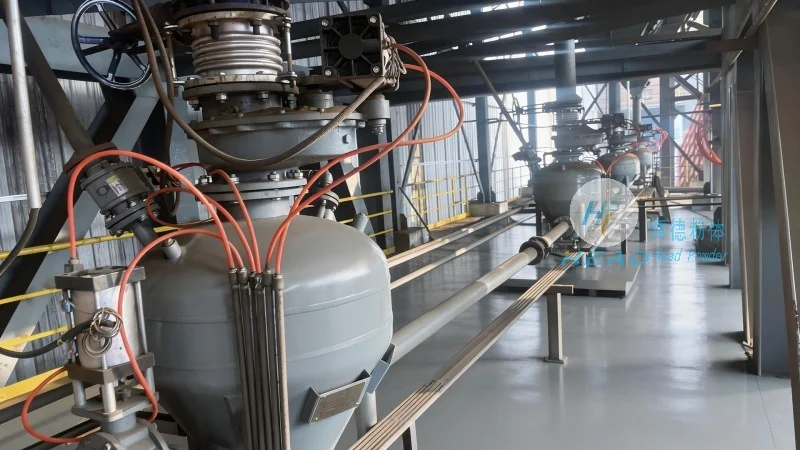
Gravity conveying, also known as pneumatic or air-lift systems, utilizes air pressure to move perlite sand through a pipeline. This method is particularly effective for short distances and low volumes, as it minimizes the need for mechanical components and reduces energy consumption. The perlite sand is introduced into the system at an elevated point, and air pressure propels it downward through the pipeline to the destination. HeadPowder's expertise in designing gravity conveying systems ensures optimal performance and minimal maintenance, making it a cost-effective solution for many applications.
2. Mechanical Conveying
Mechanical conveying methods, such as belt conveyors, screw conveyors, and bucket elevators, are widely used for perlite sand transportation over longer distances or higher volumes. Belt conveyors are suitable for horizontal or slightly inclined transport, while screw conveyors are ideal for vertical or inclined movement. Bucket elevators, on the other hand, are effective for vertical transport and can handle larger quantities of material. These systems require regular maintenance and may generate more dust compared to pneumatic methods, but they offer high capacity and reliability.
3. Hydraulic Conveying
Hydraulic conveying systems use water or a water-based slurry to transport perlite sand through pipelines. This method is particularly useful for transporting fine perlite sand over long distances, as the water helps to suspend the material and reduce friction. Hydraulic systems are often used in mining and mineral processing applications but can also be adapted for perlite sand conveyance. They require careful management of water usage and may involve additional filtration to prevent clogging.
4. Combination Systems
Many modern perlite sand conveyance operations employ combination systems that integrate multiple methods to optimize performance. For example, a system might use gravity conveying for the initial transport and then switch to mechanical conveying for the final stages. This approach allows for flexibility and efficiency, adapting to varying material volumes and distances. HeadPowder's engineering capabilities enable the design of customized combination systems tailored to specific customer needs.
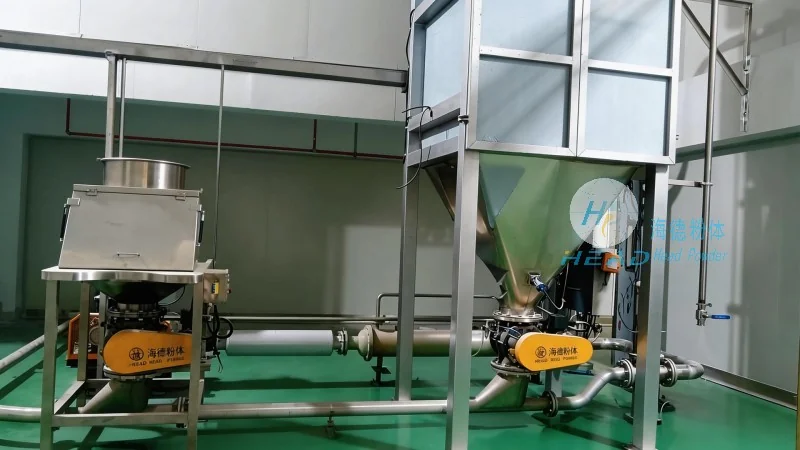
Key Considerations for Perlite Sand Conveyance
When selecting a perlite sand conveyance method, several factors must be considered to ensure optimal performance and cost-effectiveness. These include:
Material Properties
The physical properties of perlite sand, such as its density, particle size, and moisture content, significantly impact the choice of conveyance method. For example, fine perlite sand may require more energy to transport compared to coarse material, and high moisture content can affect the flow characteristics and increase the risk of clogging.
Transport Distance and Volume
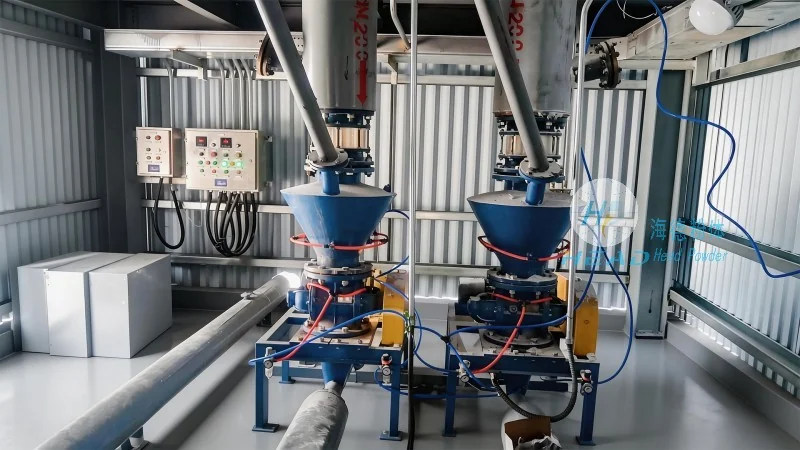
The distance to be covered and the volume of material to be transported are critical factors. Short distances and low volumes may be suitable for gravity conveying, while longer distances or high volumes may require mechanical or hydraulic systems. HeadPowder's engineers assess these parameters to recommend the most efficient system for each application.
Environmental and Safety Requirements
Environmental regulations and safety considerations play a vital role in perlite sand conveyance. Dust control measures, such as dust collection systems and enclosed conveyors, are essential to minimize air pollution and protect workers. Additionally, the system must comply with local regulations regarding noise and material handling safety.
Cost and Maintenance
The initial cost and long-term maintenance of the conveyance system are important considerations. While gravity conveying may have lower initial costs, mechanical systems may offer higher capacity and longer service life. HeadPowder provides comprehensive maintenance services and spare parts to ensure the longevity and reliability of the conveyance systems.
Conclusion
Efficient perlite sand conveyance is essential for the smooth operation of construction and industrial projects. Shandong HeadPowder Engineering Co., Ltd. offers a range of advanced conveyance solutions tailored to the specific needs of perlite sand transportation. By considering material properties, transport distance, environmental requirements, and cost factors, businesses can select the most suitable method to optimize their operations. HeadPowder's expertise in perlite sand processing and conveyance ensures that customers receive high-quality, reliable systems that meet their unique requirements.

 Shandong Headpowder Engineering Co., Ltd.
 156-6277-7102(Quản lý Trương)
  0531-83386006
  Thành phố Tế Nam, Tỉnh Sơn Đông, Trung Quốc
Điện thoại
WeChatTư vấn
Lên đầu