Với hơn 10 năm kinh nghiệm về vận chuyển khí nén, Headpowder Sơn Đông cung cấp hệ thống, thiết bị và quạt gió toàn chuỗi, đảm nhận các dự án kỹ thuật bột trọn gói trên toàn quốc.
When it comes to managing and transporting dry sludge efficiently, a well-designed pneumatic conveying system is crucial. This article explores the key considerations and components involved in creating a reliable dry sludge pneumatic conveying system, with insights from Shandong HeadPowder Engineering Co., Ltd., a leading provider in the field.
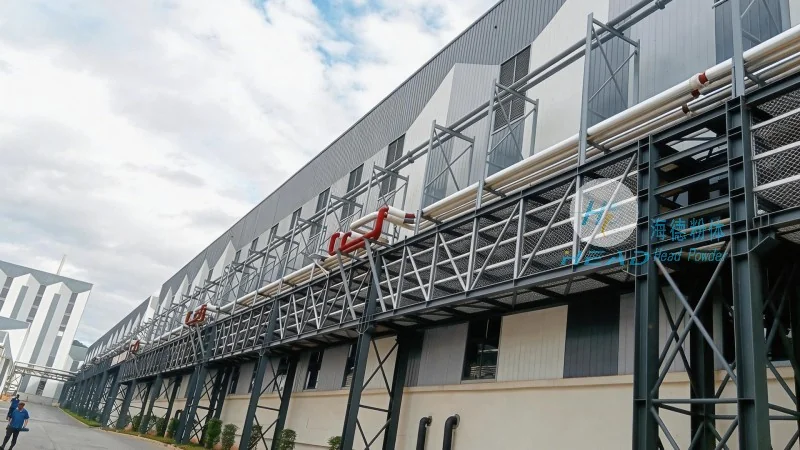
About Shandong HeadPowder Engineering Co., Ltd.
Shandong HeadPowder Engineering Co., Ltd., commonly known as HeadPowder, is a professional engineering company based in Shandong, China. With years of experience in the sludge treatment and handling industry, HeadPowder specializes in designing and implementing advanced pneumatic conveying solutions for various industrial applications. The company's expertise lies in optimizing system performance, ensuring safety, and meeting environmental regulations while delivering cost-effective solutions for clients.
Understanding the Core Principles of Dry Sludge Pneumatic Conveying
The design of a dry sludge pneumatic conveying system requires a thorough understanding of the material properties, operational requirements, and system constraints. Dry sludge, typically characterized by its low moisture content and specific characteristics, demands a system that can handle the material's flowability and resistance to blockage. Key design principles include selecting the appropriate conveying medium (air or gas), determining the optimal pressure and velocity, and ensuring the system's capacity matches the sludge production rate. These factors collectively determine the system's efficiency, reliability, and longevity.
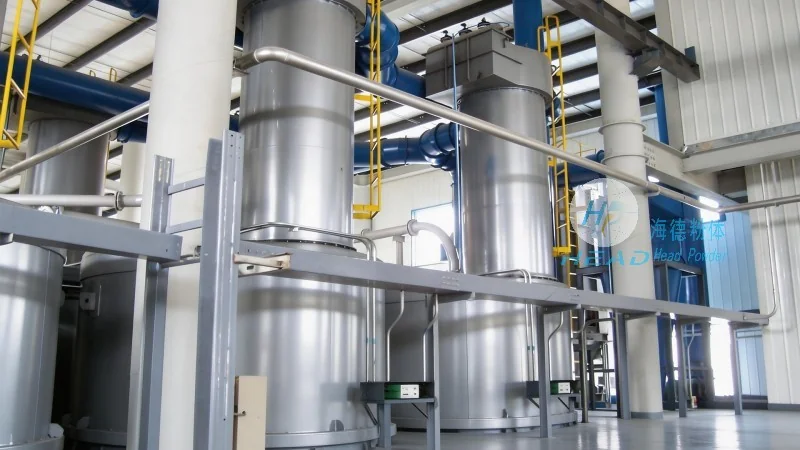
Key Components of a Dry Sludge Pneumatic Conveying System
A dry sludge pneumatic conveying system consists of several critical components that work in tandem to transport the material from the source to the destination. The primary components include a sludge feeder, a conveying line (often with bends and fittings), a receiver or discharge unit, and a blower or compressor. The sludge feeder is responsible for uniformly feeding the dry sludge into the system, preventing blockages and ensuring consistent flow. The conveying line, typically made of materials resistant to corrosion and abrasion, guides the sludge through the system. The receiver or discharge unit collects the sludge at the end of the line, while the blower or compressor provides the necessary pressure to move the material. Additionally, components such as filters, cyclones, and dust collectors may be included to maintain air quality and prevent material loss.
Design Considerations for Optimal Performance
Designing a dry sludge pneumatic conveying system involves several critical considerations to ensure optimal performance. First, the system's capacity must be matched to the sludge production rate to avoid overloading or underutilization. This involves calculating the required flow rate based on the sludge's bulk density and the desired conveying speed. Second, the selection of the conveying medium (air or gas) and the pressure level is crucial. Higher pressures can handle longer distances and more challenging materials, but they also increase energy consumption and system complexity. Third, the system's layout and the number of bends and fittings must be minimized to reduce pressure drop and prevent material degradation. Proper sealing and maintenance of all components are also essential to prevent leaks and ensure consistent operation. Finally, compliance with environmental regulations, such as air quality standards and noise control, must be considered during the design process.
Advantages of Implementing a Dry Sludge Pneumatic Conveying System
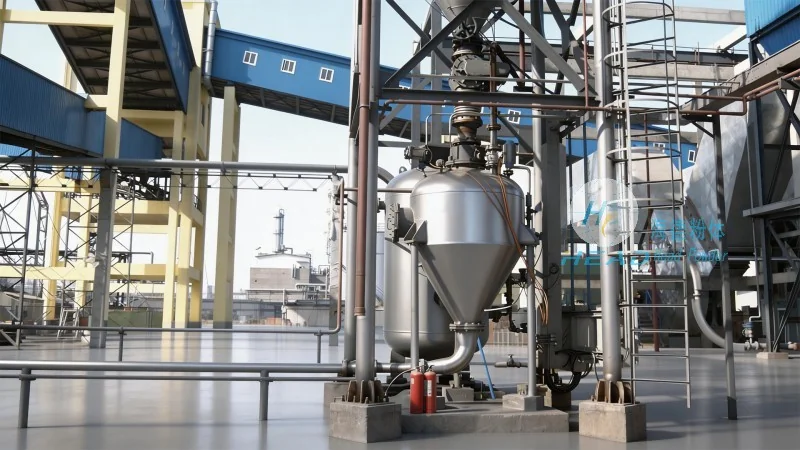
Implementing a dry sludge pneumatic conveying system offers several advantages over traditional methods like trucking or gravity conveyors. One of the primary benefits is the ability to transport dry sludge over long distances without the need for intermediate storage or handling. This reduces transportation costs and environmental impact by minimizing the number of vehicles on the road and the associated emissions. Additionally, pneumatic conveying systems are less prone to blockages and can handle a wide range of sludge types, including those with high moisture content or abrasive properties. The systems are also relatively compact and can be integrated into existing facilities, making them a flexible solution for various industrial settings. Furthermore, the use of dry sludge in the system reduces the risk of odor and pathogen spread, contributing to better environmental and health outcomes.
Conclusion and Recommendations
Designing a reasonable dry sludge pneumatic conveying system requires a comprehensive approach that considers material properties, operational requirements, and system constraints. By leveraging the expertise of companies like Shandong HeadPowder Engineering Co., Ltd., industries can develop efficient, reliable, and cost-effective solutions for their sludge handling needs. The key to a successful system lies in proper planning, component selection, and adherence to design principles that ensure optimal performance and longevity. For businesses looking to enhance their sludge management processes, investing in a well-designed pneumatic conveying system is a strategic decision that can yield significant benefits in terms of efficiency, cost savings, and environmental compliance.

 Shandong Headpowder Engineering Co., Ltd.
 156-6277-7102(Quản lý Trương)
  0531-83386006
  Thành phố Tế Nam, Tỉnh Sơn Đông, Trung Quốc
Điện thoại
WeChatTư vấn
Lên đầu