Với hơn 10 năm kinh nghiệm về vận chuyển khí nén, Headpowder Sơn Đông cung cấp hệ thống, thiết bị và quạt gió toàn chuỗi, đảm nhận các dự án kỹ thuật bột trọn gói trên toàn quốc.
When it comes to industrial applications, the efficient and reliable delivery of pigments is crucial for maintaining product quality and operational efficiency. Shandong HeadPowder Engineering Co., Ltd., a leading manufacturer based in China, specializes in providing advanced pigment delivery solutions tailored to diverse industrial needs. This article explores the various methods used for pigment delivery, highlighting the key considerations and technologies that ensure optimal performance.
Understanding Pigment Delivery Systems
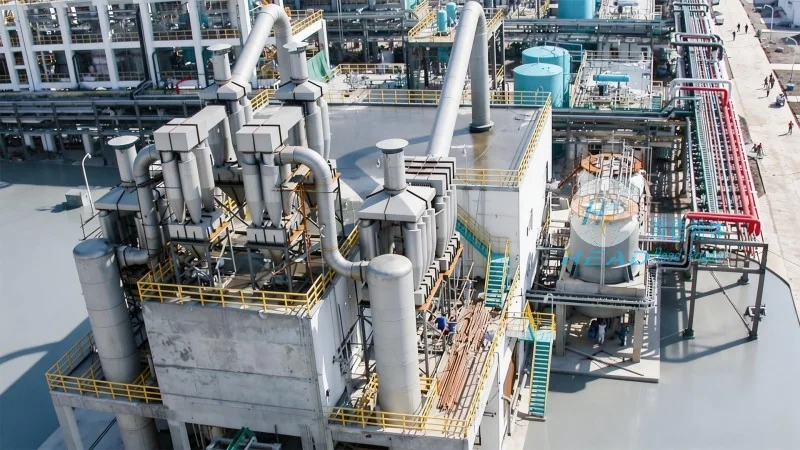
Pigment delivery systems are designed to transport pigments from storage containers to processing equipment with minimal loss, contamination, and energy consumption. The choice of delivery method depends on several factors, including the type of pigment (solid, liquid, or pastes), the volume required, the distance to be covered, and the specific requirements of the end application. A well-designed delivery system not only enhances productivity but also ensures consistent pigment dispersion, which is vital for achieving uniform color and texture in final products.
Key Factors Influencing Pigment Delivery
Before selecting a pigment delivery method, it is essential to consider the physical properties of the pigment, such as particle size, density, and flow characteristics. For example, fine powders may require specialized equipment to prevent caking or bridging, while viscous pastes might need high-pressure pumping systems. Additionally, the environmental conditions, including temperature and humidity, can impact the performance of the delivery system. Shandong HeadPowder Engineering Co., Ltd. understands these nuances and offers customized solutions that address the unique challenges of each application.
Common Pigment Delivery Methods
Pneumatic Conveying Systems
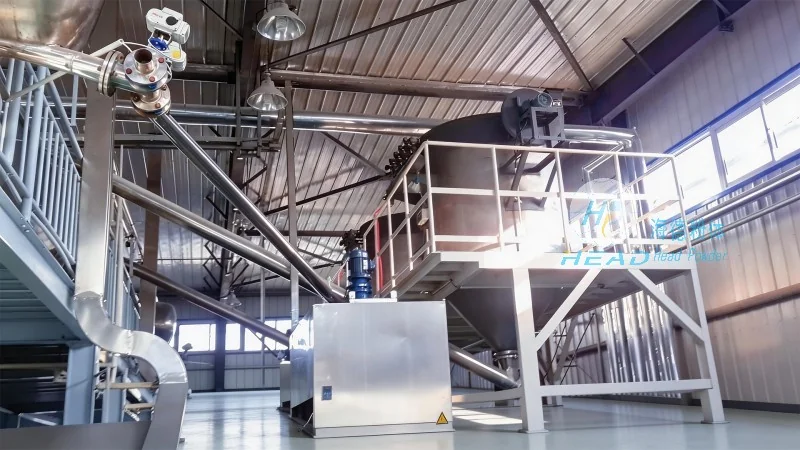
Pneumatic conveying uses compressed air or gas to transport dry pigments through a pipeline. This method is ideal for handling fine powders and can be classified into two main types: pressure and vacuum systems. Pressure systems push the material forward using air pressure, while vacuum systems draw the material into the system. Pneumatic conveying offers advantages such as low maintenance, flexibility in layout, and the ability to transport pigments over long distances. However, it may not be suitable for highly abrasive or sticky pigments, as this can lead to equipment wear and reduced efficiency.
Pumping Systems
Pumping systems are commonly used for liquid or paste pigments, providing precise control over flow rates and pressure. Gear pumps, diaphragm pumps, and centrifugal pumps are among the most popular options. Gear pumps are suitable for high-viscosity liquids and can handle shear-sensitive pigments without causing degradation. Diaphragm pumps offer gentle handling, making them ideal for delicate pigments that are prone to agglomeration. Centrifugal pumps are efficient for large volumes but may not provide the same level of control as positive displacement pumps. Shandong HeadPowder Engineering Co., Ltd. manufactures a range of pumping solutions that cater to different viscosity levels and flow requirements.
Gravity Feed Systems
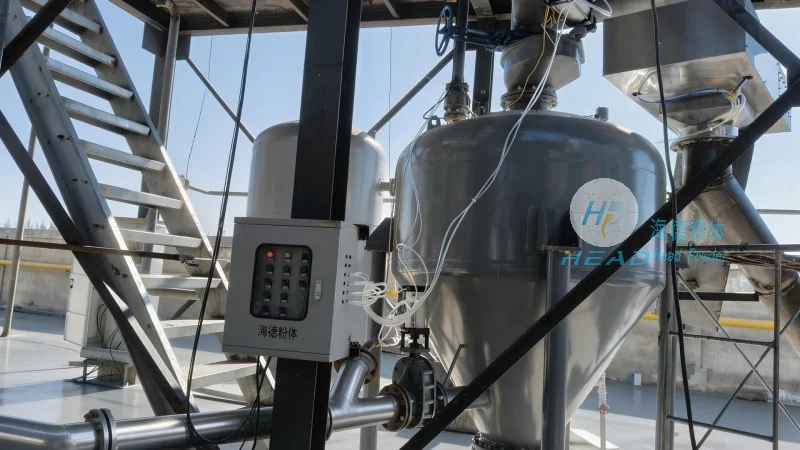
Gravity feed systems rely on the natural force of gravity to transport pigments from a storage hopper to the processing equipment. This method is simple and cost-effective, particularly for bulk quantities of free-flowing pigments. The system typically consists of a hopper, a feeder, and a discharge chute. Gravity feed is suitable for applications where the pigment is stored at a higher elevation than the processing equipment. However, it may not be suitable for pigments with poor flow characteristics or those that require precise control over the discharge rate.
Hybrid Approaches
Many industrial settings use a combination of the above methods to achieve optimal pigment delivery. For instance, a pneumatic system might be used to transport pigments from a storage silo to a hopper, followed by a pumping system to deliver the pigment to the processing line. Hybrid approaches allow for greater flexibility and can address the limitations of individual methods. Shandong HeadPowder Engineering Co., Ltd. specializes in designing and manufacturing hybrid delivery systems that integrate the best features of different technologies.
Choosing the Right Pigment Delivery Method for Your Application
Selecting the appropriate pigment delivery method requires a thorough analysis of the application's specific requirements. It is important to consider factors such as the scale of operation, the type of pigment, the distance to be covered, and the desired level of control. For example, a small-scale laboratory may use a simple gravity feed system, while a large-scale manufacturing plant may require a complex pneumatic or pumping system. Shandong HeadPowder Engineering Co., Ltd. provides expert consultation to help clients choose the most suitable delivery method, ensuring that the system meets their current and future needs.
About Shandong HeadPowder Engineering Co., Ltd.
Shandong HeadPowder Engineering Co., Ltd. is a reputable company based in China, dedicated to providing high-quality pigment delivery solutions. With years of experience in the industry, the company has developed a strong reputation for its innovative products and reliable service. The company's products are designed to meet the stringent requirements of various industries, including coatings, inks, plastics, and ceramics. Shandong HeadPowder Engineering Co., Ltd. is committed to delivering solutions that enhance operational efficiency, reduce costs, and improve product quality. The company's headquarters is located in Shandong, China, where it continues to innovate and expand its product offerings.

 Shandong Headpowder Engineering Co., Ltd.
 156-6277-7102(Quản lý Trương)
  0531-83386006
  Thành phố Tế Nam, Tỉnh Sơn Đông, Trung Quốc
Điện thoại
WeChatTư vấn
Lên đầu