Với hơn 10 năm kinh nghiệm về vận chuyển khí nén, Headpowder Sơn Đông cung cấp hệ thống, thiết bị và quạt gió toàn chuỗi, đảm nhận các dự án kỹ thuật bột trọn gói trên toàn quốc.
When it comes to the efficient and reliable transport of rare earth powders, selecting the right conveying method is crucial for maintaining product integrity and operational efficiency. As a leading provider in the field, Shandong HeadPowder Engineering Co., Ltd. specializes in offering tailored solutions that address the unique challenges associated with handling these specialized materials. This article explores the common methods used for rare earth powder conveyance, highlighting their applications and benefits.
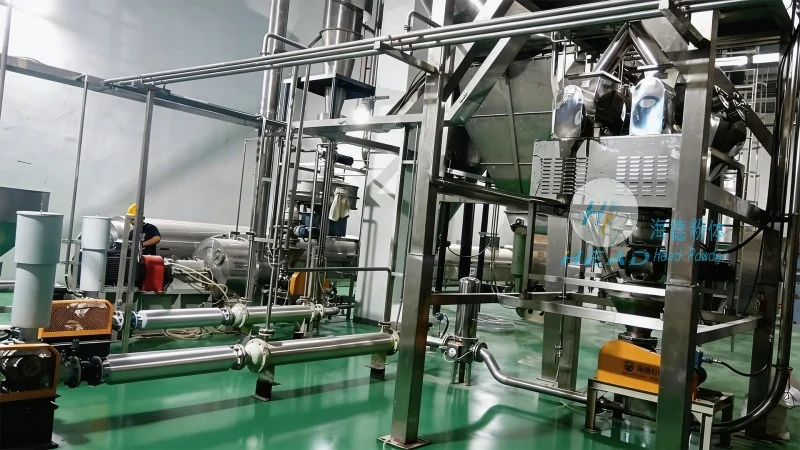
1. Pneumatic Conveying Systems
Pneumatic conveying systems are widely used for the transport of rare earth powders due to their ability to handle fine particles and maintain a closed environment. These systems utilize compressed air to move powders through a network of pipes, ensuring minimal contamination and dust exposure. There are two primary types of pneumatic conveying: pressure and vacuum systems. Pressure systems are suitable for short to medium distances and high-volume applications, while vacuum systems are ideal for longer distances or when the material needs to be collected from multiple sources. The choice between these systems depends on factors such as the material's properties, the distance to be covered, and the required flow rate. Pneumatic conveyors are particularly effective for rare earth powders because they can prevent agglomeration and maintain the powder's quality during transport.
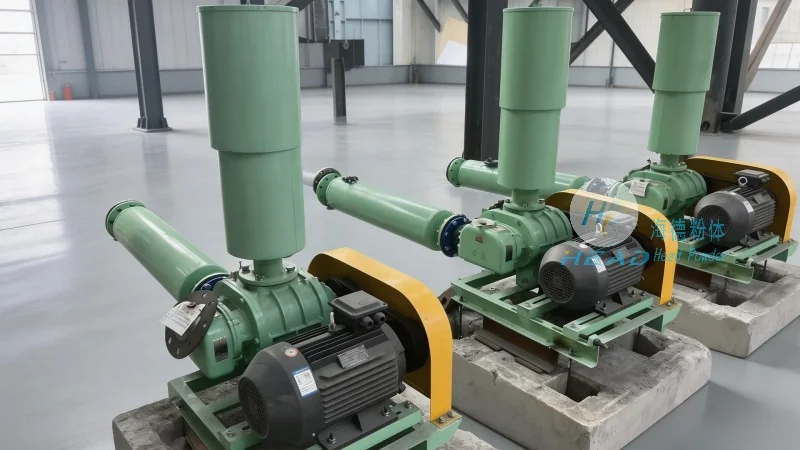
2. Screw Conveyors
Screw conveyors, also known as auger conveyors, are another common method for transporting rare earth powders. These systems consist of a rotating screw (auger) inside a trough or tube, which moves the material forward through the system. Screw conveyors are particularly effective for horizontal or slightly inclined transport and are often used in processing plants where the material needs to be moved from one stage to another. They are simple in design, requiring minimal maintenance, and can handle a wide range of particle sizes. However, screw conveyors may not be suitable for very fine powders or materials that are prone to caking, as they can cause blockages or degrade the material's quality. For rare earth powders, screw conveyors are commonly used in batching and mixing operations, where the material needs to be accurately dosed and transported to the next processing step.
3. Belt Conveyors
Belt conveyors are a versatile and widely adopted method for the bulk transport of rare earth powders. These systems use a continuous belt that moves over rollers or pulleys, carrying the material from one location to another. Belt conveyors are particularly effective for long-distance transport and can handle large volumes of material. They are commonly used in mining and processing facilities where the material needs to be moved over significant distances, such as from a storage silo to a processing plant. Belt conveyors are also suitable for transporting mixed materials or when the material needs to be elevated or declined. However, they require regular maintenance to ensure the belt remains in good condition and to prevent material spillage. For rare earth powders, belt conveyors are often used in conjunction with other equipment, such as feeders or classifiers, to ensure consistent and efficient transport.
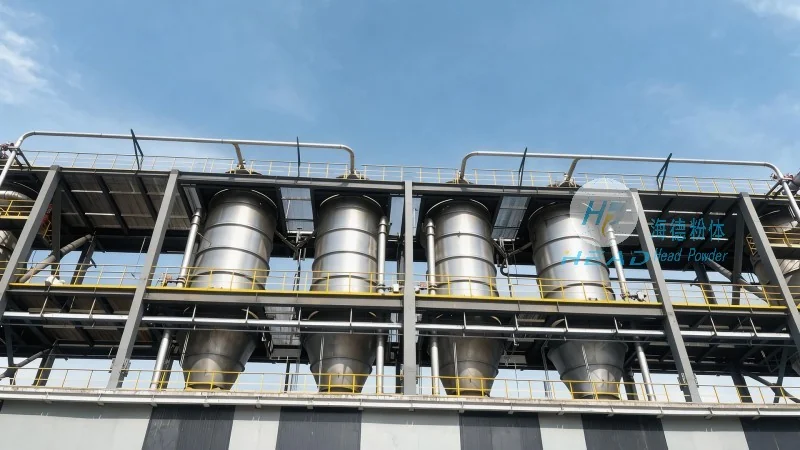
4. Hydraulic Conveying
Hydraulic conveying systems use a liquid medium, typically water or a specialized fluid, to transport rare earth powders. The material is suspended in the liquid and moved through pipes or hoses. This method is particularly effective for handling very fine powders or materials that are prone to caking, as the liquid helps to prevent agglomeration and maintain the powder's flowability. Hydraulic conveyors are commonly used in applications where the material needs to be transported over long distances or through complex layouts. However, they require a significant amount of energy and may not be suitable for all types of rare earth powders, as some materials can be damaged by the liquid medium. For example, certain rare earth oxides may react with water, making hydraulic conveying unsuitable. Hydraulic systems are often used in specialized applications, such as the transport of rare earth concentrates from mining sites to processing facilities.
5. Vibrating Conveyors
Vibrating conveyors use vibrations to move rare earth powders along a trough or conveyor belt. The system consists of a conveyor bed that is vibrated at a specific frequency and amplitude, causing the material to move forward. Vibrating conveyors are particularly effective for handling bulk materials, including rare earth powders, and are often used in applications where the material needs to be transported over inclined or horizontal paths. They are simple in design, requiring minimal maintenance, and can handle a wide range of particle sizes. Vibrating conveyors are also suitable for materials that are prone to caking or bridging, as the vibrations help to break up agglomerates and prevent blockages. However, they may not be suitable for very fine powders or materials that are sensitive to vibration, as excessive vibration can degrade the material's quality. For rare earth powders, vibrating conveyors are commonly used in processing plants where the material needs to be moved from one stage to another, such as from a storage hopper to a mixer.
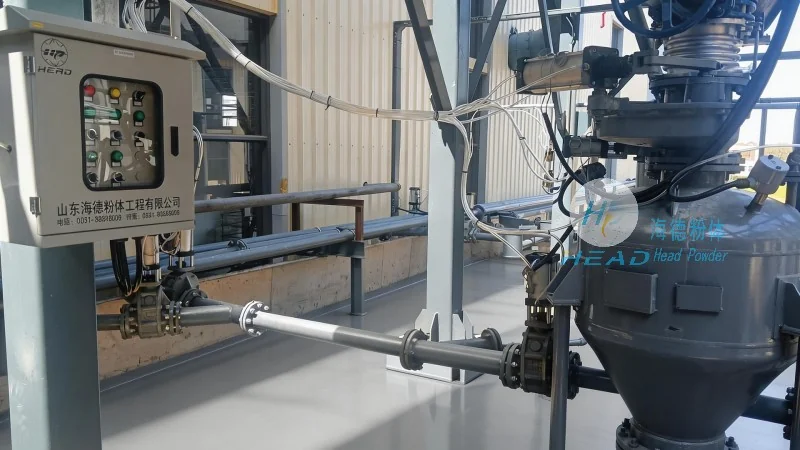
6. Air-Lift Conveyors
Air-lift conveyors, also known as pneumatic lift systems, use compressed air to lift and transport rare earth powders vertically. The system consists of a vertical pipe with an inlet at the bottom and an outlet at the top, where the material is introduced and then carried upward by the air flow. Air-lift conveyors are particularly effective for vertical transport, such as moving material from a lower storage silo to an upper processing area. They are simple in design, requiring minimal maintenance, and can handle a wide range of particle sizes. However, they may not be suitable for very fine powders or materials that are prone to caking, as the air flow may not be sufficient to prevent agglomeration. Air-lift conveyors are commonly used in rare earth processing plants where vertical transport is necessary, such as in the transport of rare earth oxides from a lower hopper to a high-level mixer or dryer.

 Shandong Headpowder Engineering Co., Ltd.
 156-6277-7102(Quản lý Trương)
  0531-83386006
  Thành phố Tế Nam, Tỉnh Sơn Đông, Trung Quốc
Điện thoại
WeChatTư vấn
Lên đầu