Với hơn 10 năm kinh nghiệm về vận chuyển khí nén, Headpowder Sơn Đông cung cấp hệ thống, thiết bị và quạt gió toàn chuỗi, đảm nhận các dự án kỹ thuật bột trọn gói trên toàn quốc.
For manufacturers in the lithium-ion battery industry, the efficient and reliable handling of positive electrodes is a critical aspect of production. The choice of handling method directly impacts production efficiency, product quality, and operational costs. This article provides a detailed comparison of common positive electrode handling methods, analyzing their advantages and disadvantages to help manufacturers make informed decisions.
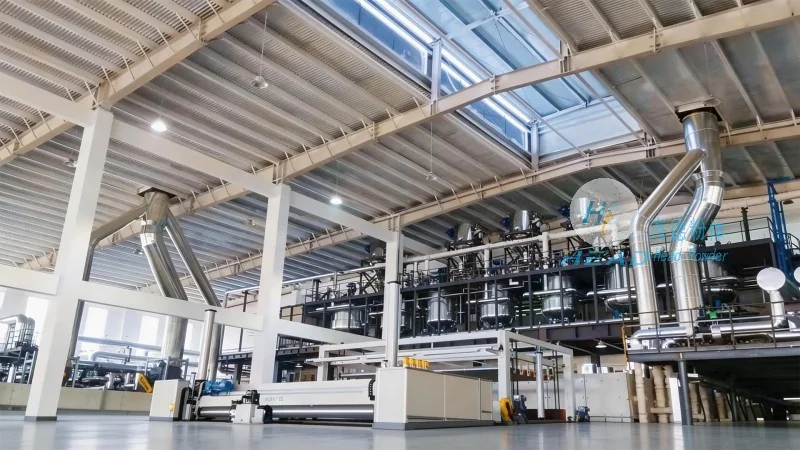
Introduction to Positive Electrode Handling in Lithium-Ion Batteries
In the production process of lithium-ion batteries, the positive electrode is a key component that directly affects the battery's performance and lifespan. The handling of positive electrodes involves transporting raw materials, intermediate products, and finished electrodes from one production stage to another. Different handling methods are used based on the material characteristics of the positive electrode, production scale, and specific requirements of the manufacturing process. Understanding the characteristics of each handling method is essential for optimizing production lines and improving overall efficiency.
1. Vibrating Conveyors: Traditional and Versatile
Vibrating conveyors are a widely used traditional method for handling positive electrodes. These systems use an oscillating motion to move materials along a conveyor bed. The primary advantages of vibrating conveyors include their ability to handle a wide range of particle sizes and shapes, low maintenance requirements, and suitability for transporting bulk materials over moderate distances. They are particularly effective for handling powders and granules that are prone to caking or sticking. However, vibrating conveyors have some limitations. They may not be suitable for high-speed or high-volume applications, as the oscillating motion can cause material degradation or uneven distribution. Additionally, the noise generated by these systems can be a concern in some industrial environments.
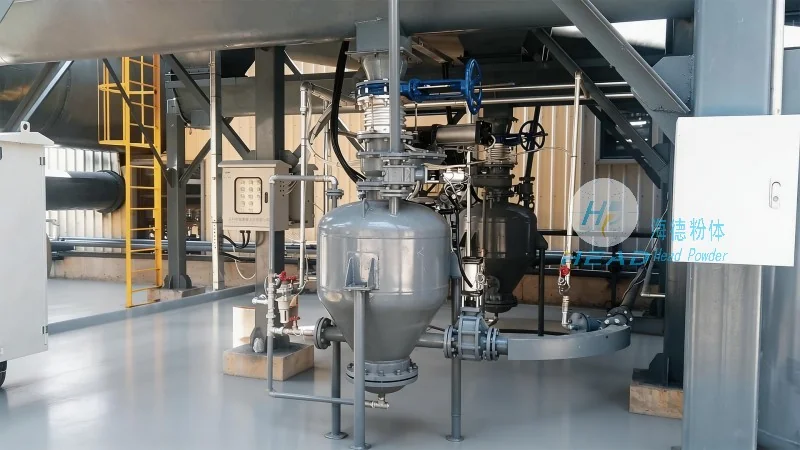
2. Screw Conveyors: Compact and Efficient
Screw conveyors, also known as auger conveyors, are another common method for handling positive electrodes. These systems use a rotating screw to move materials through a tube or trough. Screw conveyors are compact and can be installed in tight spaces, making them ideal for facilities with limited floor space. They are highly efficient for transporting powders and granules at a consistent rate, and they can handle materials with a wide range of moisture contents. The main advantages of screw conveyors include their ability to maintain a stable flow rate, low energy consumption, and minimal material degradation. However, screw conveyors have some drawbacks. They may not be suitable for handling materials that are too abrasive or sticky, as the screw can wear out quickly. Additionally, the system's capacity is limited by the screw's diameter and speed, which may not meet the needs of large-scale production.
3. Pneumatic Conveying Systems: High-Speed and Flexible
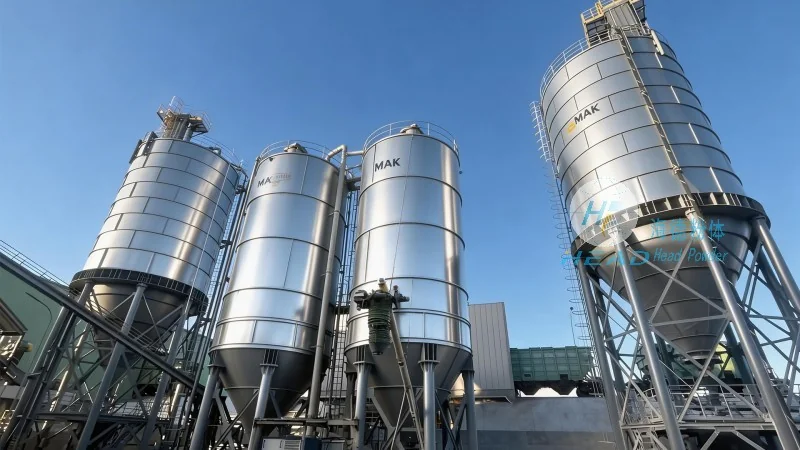
Pneumatic conveying systems use air pressure to transport positive electrodes in a closed pipeline. These systems are highly efficient for high-speed and high-volume applications, as they can move materials over long distances with minimal labor. Pneumatic conveying is particularly suitable for handling fine powders and granules that are sensitive to moisture or contamination. The main advantages of pneumatic systems include their ability to maintain a clean and controlled environment, reduce material degradation, and provide flexible routing options. However, pneumatic conveying has some significant drawbacks. The system requires a large amount of compressed air, which increases energy consumption and operating costs. Additionally, the system's capacity is limited by the air pressure and pipeline diameter, and it may not be suitable for handling large or heavy particles.
4. Belt Conveyors: High-Capacity and Continuous
Belt conveyors are a high-capacity and continuous method for handling positive electrodes. These systems use a moving belt to transport materials over a long distance. Belt conveyors are ideal for large-scale production lines, as they can handle high volumes of materials at a consistent rate. The main advantages of belt conveyors include their ability to transport materials over long distances, low maintenance requirements, and high reliability. They are particularly effective for handling bulk materials and finished products. However, belt conveyors have some limitations. They require a significant amount of space for installation, and the system may be prone to material spillage or contamination. Additionally, the belt's surface can cause material degradation if the material is too abrasive or sticky.
5. Comparison of Handling Methods: Key Factors to Consider
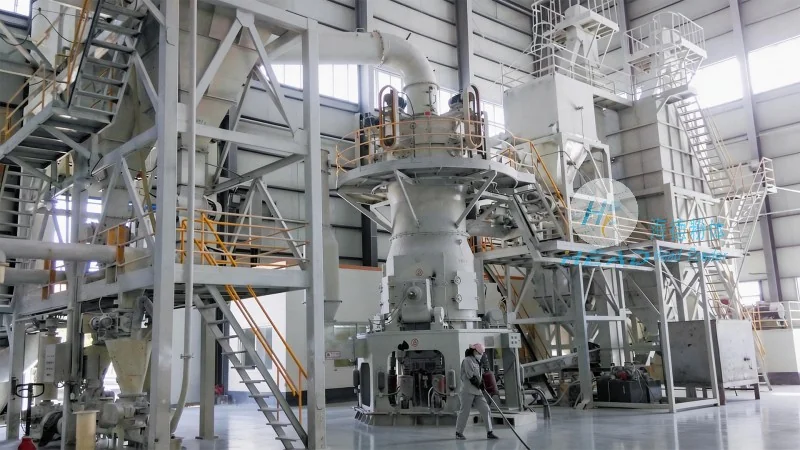
When selecting a positive electrode handling method, manufacturers must consider several key factors, including material characteristics, production scale, operational costs, and environmental requirements. Vibrating conveyors are suitable for small to medium-scale operations with moderate material volumes. Screw conveyors are ideal for compact facilities handling powders and granules. Pneumatic systems are best for high-speed and high-volume applications with sensitive materials. Belt conveyors are preferred for large-scale production lines with high material throughput. Each method has its own advantages and disadvantages, and the choice depends on the specific needs of the manufacturing process.
HeadPowder's Expertise in Positive Electrode Handling Solutions
Shandong HeadPowder Engineering Co., Ltd. specializes in providing customized handling solutions for lithium-ion battery manufacturers. With years of experience in the industry, HeadPowder understands the unique challenges of handling positive electrodes and offers a range of equipment tailored to specific production requirements. The company's engineers work closely with clients to assess their production processes and recommend the most suitable handling method. HeadPowder's solutions are designed to improve production efficiency, reduce costs, and enhance product quality. The company's commitment to innovation and quality has made it a trusted partner for many battery manufacturers in China and around the world.

 Shandong Headpowder Engineering Co., Ltd.
 156-6277-7102(Quản lý Trương)
  0531-83386006
  Thành phố Tế Nam, Tỉnh Sơn Đông, Trung Quốc
Điện thoại
WeChatTư vấn
Lên đầu