Với hơn 10 năm kinh nghiệm về vận chuyển khí nén, Headpowder Sơn Đông cung cấp hệ thống, thiết bị và quạt gió toàn chuỗi, đảm nhận các dự án kỹ thuật bột trọn gói trên toàn quốc.
When it comes to handling and transporting beans, especially in industrial settings, selecting the right conveying method is crucial for efficiency, cost-effectiveness, and product integrity. Among the various options available, pneumatic conveying stands out as a versatile and efficient solution for bean transportation. This article explores common bean conveying methods, with a focus on the advantages and applications of pneumatic conveying systems, which are widely used in the industry.
Understanding Bean Conveying Systems
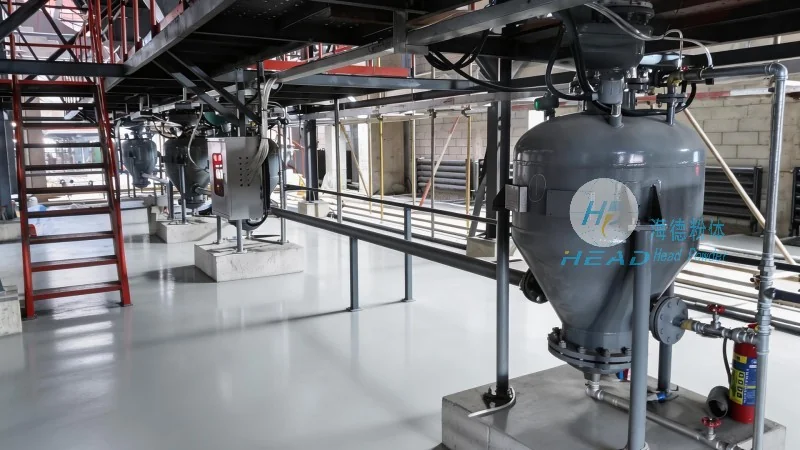
Bean conveying systems are designed to move beans from one location to another within a processing facility. These systems are essential for streamlining operations in industries such as food processing, agricultural storage, and manufacturing. The choice of conveying method depends on several factors, including the type of bean, the distance to be covered, the required speed, and the overall budget. Common bean conveying methods include mechanical conveyors, like belt conveyors and screw conveyors, and pneumatic systems, which use air pressure to transport materials. Mechanical conveyors are often used for short distances and lower volumes, while pneumatic systems are preferred for longer distances and higher volumes due to their ability to handle bulk materials efficiently.
Pneumatic Conveying: A Versatile Solution for Bean Transport
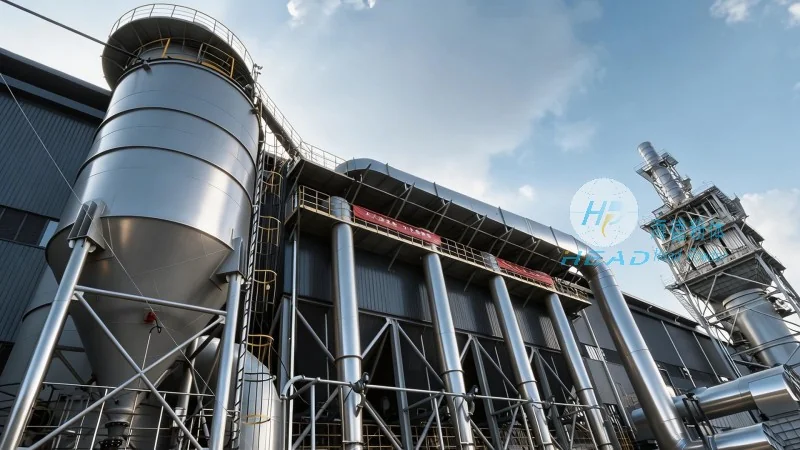
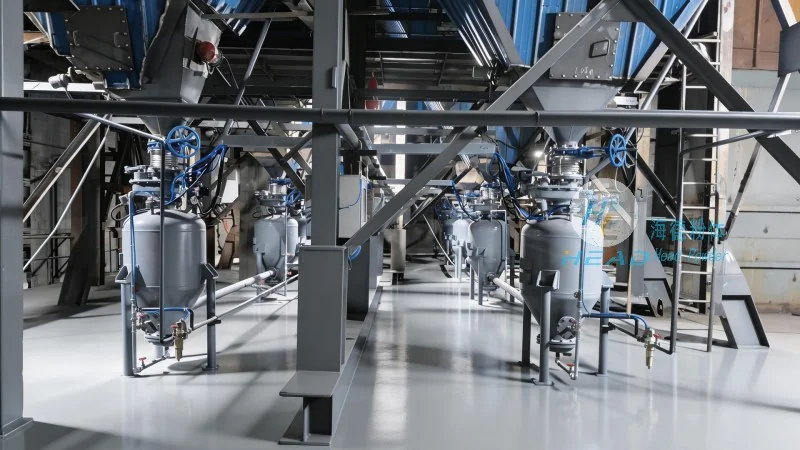
Pneumatic conveying, also known as air conveying, is a method that uses compressed air to move beans through a pipeline. This technology offers several advantages over traditional mechanical conveyors. For instance, pneumatic systems can handle a wide range of bean types, including whole beans, split beans, and even beans with varying moisture content. They are also capable of transporting beans over longer distances with minimal loss of quality. The system typically consists of a hopper, a blower or air compressor, and a pipeline network that directs the beans to the destination. As the air flows through the pipeline, it creates a low-pressure zone that draws the beans into the system, where they are then carried to the desired location. This process is known as suction conveying, and it is particularly effective for moving beans from storage bins to processing equipment.
Key Components of a Bean Pneumatic Conveying System
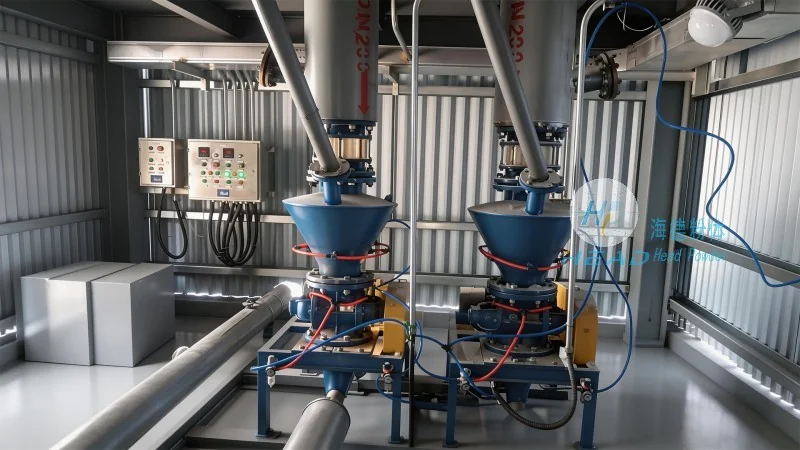
Effective bean pneumatic conveying systems, such as those designed and manufactured by Shandong HeadPowder Engineering Co., Ltd., rely on several key components. The hopper is the initial container where beans are loaded before being conveyed. It is designed to feed the system consistently and prevent blockages. The hopper may include a vibrating mechanism to ensure a steady flow of beans into the system. The blower or air compressor is responsible for generating the necessary air pressure to move the beans. The pressure can be adjusted based on the type of beans and the distance to be covered. The pipeline network, which may include elbows, tees, and other fittings, ensures that the beans are directed along the correct path. The use of high-quality materials, such as stainless steel, helps prevent corrosion and ensures the longevity of the system. Additionally, filters and cyclones are often used to separate the beans from the air, allowing for the recovery of the product and the removal of dust or debris. The cyclone separator is particularly effective in separating larger particles from the air stream, while the filter captures fine dust and prevents it from being released into the environment.

 Shandong Headpowder Engineering Co., Ltd.
 156-6277-7102(Quản lý Trương)
  0531-83386006
  Thành phố Tế Nam, Tỉnh Sơn Đông, Trung Quốc
Điện thoại
WeChatTư vấn
Lên đầu