Với hơn 10 năm kinh nghiệm về vận chuyển khí nén, Headpowder Sơn Đông cung cấp hệ thống, thiết bị và quạt gió toàn chuỗi, đảm nhận các dự án kỹ thuật bột trọn gói trên toàn quốc.
Catalyst powders are integral to numerous industrial processes, and their efficient transportation is paramount for maintaining operational efficiency and safety. The choice of conveying method directly impacts system performance, making it essential to select the most suitable approach for handling these materials. This article explores various catalyst powder conveying methods, with a focus on the advantages and characteristics of pneumatic conveying, a widely adopted technique in the industry.
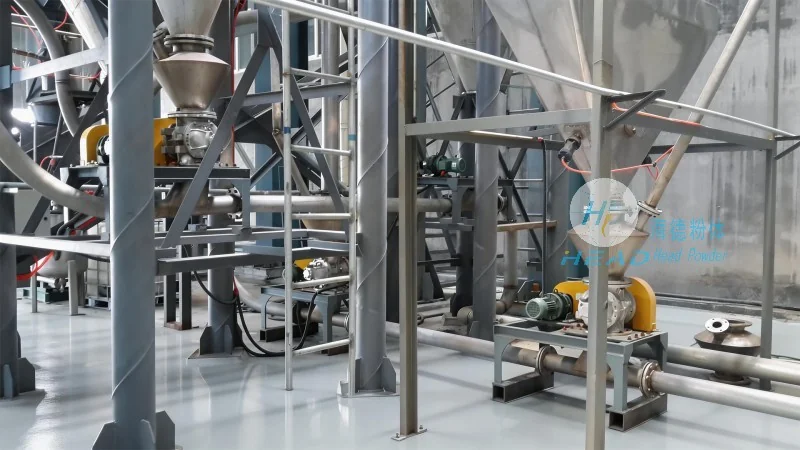
Common Conveying Methods for Catalyst Powders
Conventional methods for transporting catalyst powders include mechanical conveyors such as belt conveyors, screw conveyors, and bucket elevators. These systems are commonly used for bulk material handling but may present challenges when dealing with fine or abrasive powders like catalysts. Mechanical conveyors can experience issues like material buildup, equipment wear, and the risk of dust explosions, which are critical concerns in catalyst handling environments.
Pneumatic Conveying: A Preferred Solution for Catalyst Powder Transport
Pneumatic conveying, or air conveying, utilizes compressed air or gases to transport powders through a pipeline system. This method offers significant advantages for catalyst powder transport, particularly in handling fine and abrasive materials without excessive equipment wear. The enclosed system also helps in controlling dust emissions, which is vital for maintaining a safe working environment and complying with environmental regulations.
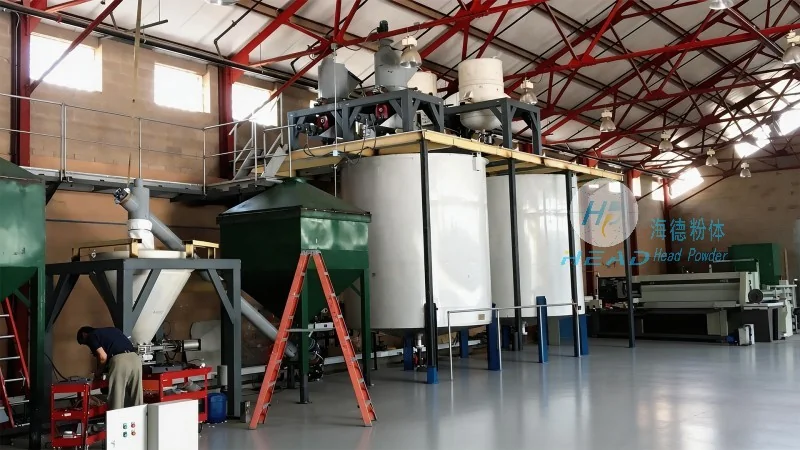
Advantages of Pneumatic Conveying for Catalyst Powders
Compared to other conveying methods, pneumatic conveying provides distinct benefits for catalyst powder transport. Firstly, it offers high flexibility in system layout and design, allowing easy integration into existing plant configurations without major structural changes. Secondly, the enclosed pipeline minimizes product contamination, preventing exposure to external contaminants or moisture—critical for catalyst powders sensitive to such factors, as they can affect performance.
Key Features of Pneumatic Conveying Systems
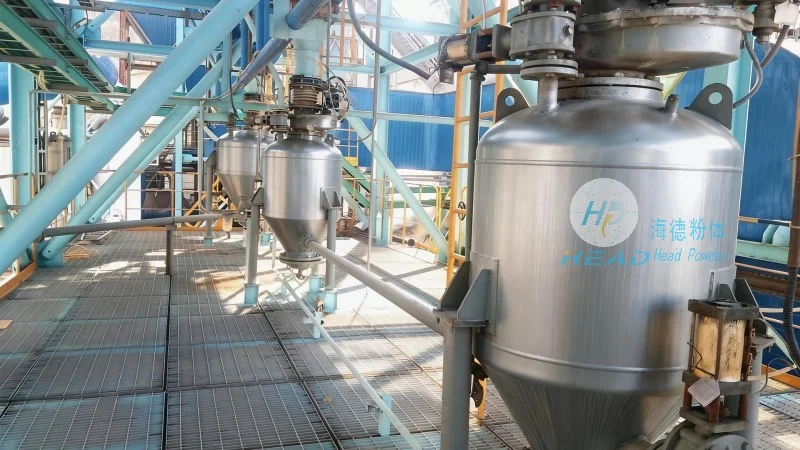
The effectiveness of pneumatic conveying systems for catalyst powders depends on key components and design features. These typically include a feeder for accurate material metering, a pressure vessel or receiver to store material and maintain system pressure, and an advanced control system to monitor and regulate the process. The feeder ensures consistent flow rates, while the pressure vessel maintains system pressure. The control system prevents issues like blockages or pressure surges, ensuring optimal performance.
Applications and Benefits in Industrial Settings
Pneumatic conveying systems are widely used in industrial applications involving catalyst powders, including chemical manufacturing, petrochemical processing, and pharmaceutical production. Beyond efficient transport, this method enhances operational efficiency and reduces downtime by minimizing material loss and equipment damage, thus maintaining consistent product quality and lowering long-term maintenance costs.
Conclusion and Company Overview
In summary, pneumatic conveying is a highly effective and reliable method for transporting catalyst powders, offering advantages over traditional mechanical systems. Its enclosed design, flexibility, and ability to handle fine materials make it ideal for industries requiring precise and safe material handling. As a leading provider, Shandong HeadPowder Engineering Co., Ltd. specializes in designing and manufacturing advanced pneumatic conveying systems tailored to catalyst powder applications. Committed to quality and innovation, the company ensures its solutions meet high performance and safety standards, supporting clients in achieving production goals efficiently and reliably.

 Shandong Headpowder Engineering Co., Ltd.
 156-6277-7102(Quản lý Trương)
  0531-83386006
  Thành phố Tế Nam, Tỉnh Sơn Đông, Trung Quốc
Điện thoại
WeChatTư vấn
Lên đầu