Với hơn 10 năm kinh nghiệm về vận chuyển khí nén, Headpowder Sơn Đông cung cấp hệ thống, thiết bị và quạt gió toàn chuỗi, đảm nhận các dự án kỹ thuật bột trọn gói trên toàn quốc.
When it comes to the efficient handling and transportation of polyethylene materials, selecting the right conveying method is crucial for industrial operations. Polyethylene, a widely used plastic polymer, requires reliable systems to ensure smooth material flow from storage to processing or packaging stages. This article explores the common methods used for polyethylene conveying, highlighting the key considerations and applications in industrial settings.
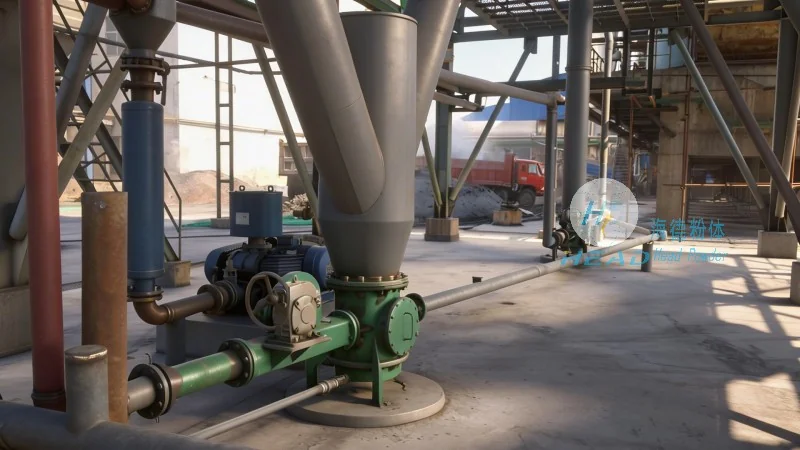
1. Mechanical Conveying Systems
One of the most traditional and widely adopted methods for polyethylene conveying is mechanical systems. These systems utilize mechanical components such as belts, screws, and buckets to transport materials. For example, belt conveyors are commonly used for transporting polyethylene pellets or granules over short to medium distances. Screw conveyors, on the other hand, are ideal for vertical or inclined transport, providing consistent and controlled material movement. Mechanical conveying systems are particularly effective for bulk polyethylene handling in manufacturing plants, offering durability and low maintenance requirements.
2. Pneumatic Conveying Systems
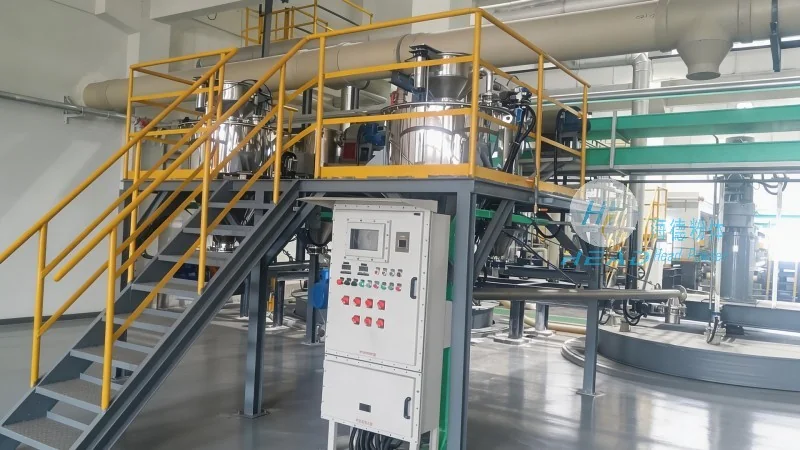
Another prevalent method is pneumatic conveying, which uses air or other gases to transport polyethylene particles. This method is especially suitable for fine powders or granules that are difficult to handle with mechanical systems. Pneumatic conveyors can be categorized into pressure and vacuum types. Pressure systems push material through a pipeline using compressed air, while vacuum systems draw material from a hopper or storage area. Pneumatic conveying offers advantages like flexibility in layout, ability to transport materials over longer distances, and reduced risk of material contamination. However, it requires careful design to manage air flow and prevent material degradation or blockages.
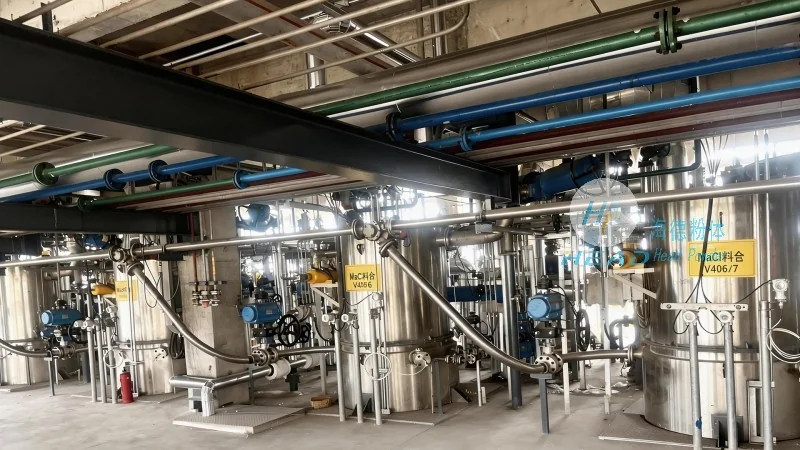
3. Hydraulic Conveying Systems
Hydraulic conveying systems utilize hydraulic fluids to transport polyethylene materials. These systems are less common for polyethylene but are used in specific applications where high pressure and controlled flow are necessary. Hydraulic conveyors can handle abrasive or heavy polyethylene materials, providing a reliable solution for challenging industrial environments. The primary advantage of hydraulic systems is their ability to handle high-viscosity materials and maintain consistent pressure, ensuring efficient material transport. However, they require specialized equipment and regular maintenance to ensure optimal performance.
About Shandong HeadPowder Engineering Co., Ltd.
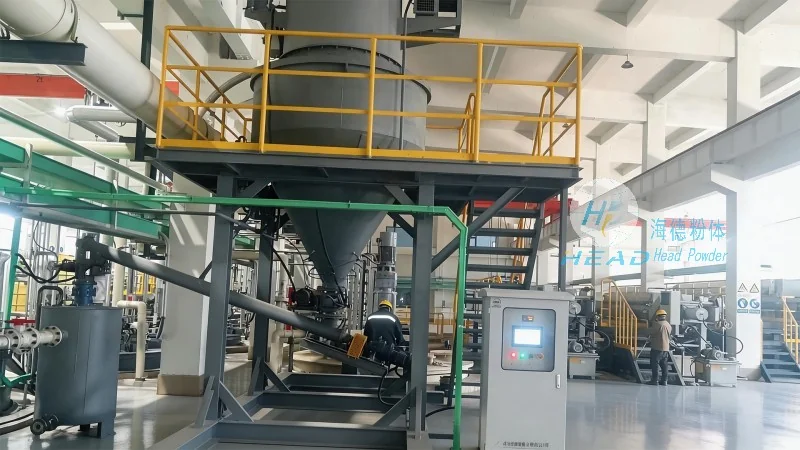
As a leading provider in the field of material handling solutions, Shandong HeadPowder Engineering Co., Ltd. specializes in designing and manufacturing advanced conveying systems tailored to the needs of polyethylene processing industries. With a focus on innovation and quality, HeadPowder offers customized solutions that enhance operational efficiency and reduce downtime. The company’s expertise in mechanical, pneumatic, and hydraulic conveying technologies ensures that clients receive systems that are robust, reliable, and compliant with industry standards. HeadPowder’s commitment to customer satisfaction and technical excellence has made it a trusted partner for businesses seeking to optimize their polyethylene conveying processes.

 Shandong Headpowder Engineering Co., Ltd.
 156-6277-7102(Quản lý Trương)
  0531-83386006
  Thành phố Tế Nam, Tỉnh Sơn Đông, Trung Quốc
Điện thoại
WeChatTư vấn
Lên đầu