Với hơn 10 năm kinh nghiệm về vận chuyển khí nén, Headpowder Sơn Đông cung cấp hệ thống, thiết bị và quạt gió toàn chuỗi, đảm nhận các dự án kỹ thuật bột trọn gói trên toàn quốc.
Inorganic salts are widely used in various industries, including chemical manufacturing, food processing, and water treatment. The efficient and safe transportation of these materials is crucial for industrial operations. This article explores the common methods used for inorganic salt transport, highlighting key considerations and typical applications.
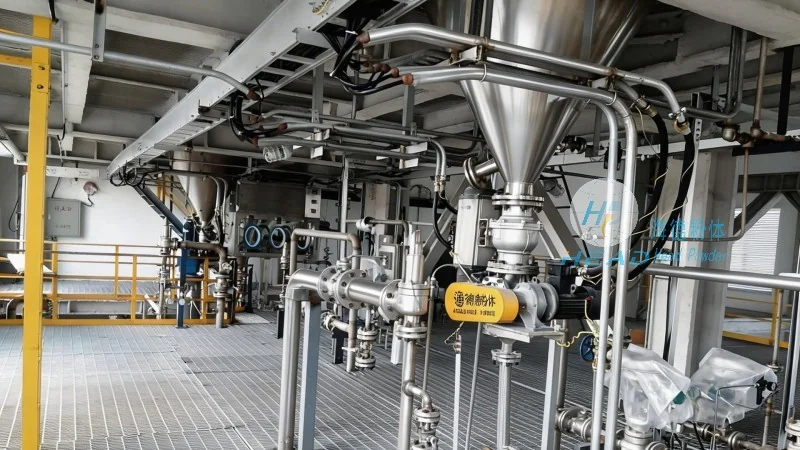
About Shandong HeadPowder Engineering Co., Ltd.
Shandong HeadPowder Engineering Co., Ltd., commonly known as HeadPowder, is a professional manufacturer specializing in industrial equipment for material handling and transportation. With a focus on innovation and quality, the company provides reliable solutions for various bulk material transport applications, including inorganic salts. HeadPowder's headquarters is located in Shandong, China, where the company operates its research and production facilities.
Common Methods for Inorganic Salt Transportation
There are several common methods used to transport inorganic salts, each with its own advantages and suitable applications. The choice of method depends on factors such as the type of salt, its physical properties (e.g., particle size, moisture content), the distance to be transported, and the required flow rate. Below are some of the most widely used approaches:
Piping Systems for Inorganic Salt Transport
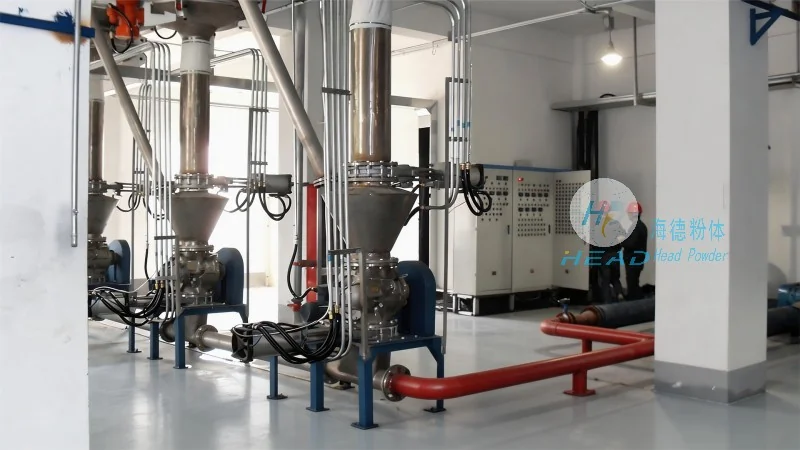
Piping systems are one of the most common methods for transporting inorganic salts, especially for bulk quantities over relatively short to medium distances. These systems typically consist of stainless steel or other corrosion-resistant pipes, which are suitable for handling various types of salts due to their resistance to chemical attack. The design of the piping system includes components such as valves, elbows, and tees to control the flow and direct the material. For abrasive salts, special materials like rubber-lined pipes or lined steel pipes may be used to prevent wear and extend the service life. Piping systems are often integrated with pumps or gravity feed to maintain the desired flow rate. They are widely used in chemical plants, food processing facilities, and water treatment plants where a continuous and controlled supply of inorganic salts is required.
Pumping Solutions for Inorganic Salt Handling
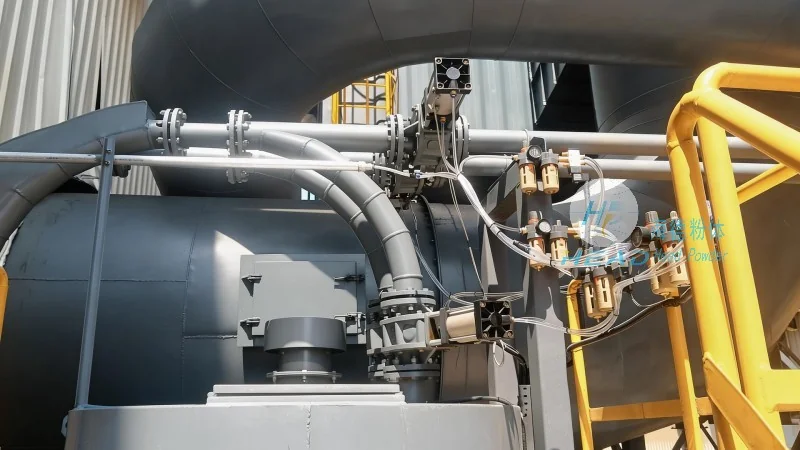
Pumps are essential equipment for transporting inorganic salts, particularly when the material needs to be moved against gravity or over longer distances. There are several types of pumps suitable for inorganic salt applications, including centrifugal pumps, positive displacement pumps, and diaphragm pumps. Centrifugal pumps are commonly used for high-volume, low-head applications, such as transporting sodium chloride or calcium chloride solutions. Positive displacement pumps, like gear pumps or progressing cavity pumps, are ideal for handling viscous or shear-sensitive salts, ensuring a consistent flow rate even at low speeds. Diaphragm pumps are often preferred for handling corrosive or abrasive salts, as they provide a flexible and leak-proof design. The selection of a pump depends on the specific properties of the inorganic salt, such as its density, viscosity, and particle size. Proper maintenance and regular inspection of pumps are crucial to ensure reliable operation and prevent equipment failure.
Pneumatic Conveying Systems
Pneumatic conveying is another effective method for transporting inorganic salts, especially for materials that are difficult to handle with traditional mechanical systems. This method uses air or other gases to move the material through a pipeline. There are two main types of pneumatic conveying systems: dilute-phase and dense-phase. Dilute-phase systems are suitable for transporting fine powders or granules over short to medium distances, while dense-phase systems are used for handling bulk materials over longer distances with higher pressure. Pneumatic conveying systems are particularly advantageous for inorganic salts that are sensitive to moisture or contamination, as the material is enclosed within the pipeline, preventing exposure to the environment. The system typically includes a blower, a hopper, and a receiver, with the material being fed into the pipeline and carried by the air flow. This method is commonly used in the food and pharmaceutical industries for transporting salts like sodium bicarbonate or potassium chloride.
Screw Conveyors and Auger Systems
Screw conveyors, also known as auger conveyors, are mechanical devices used to transport inorganic salts in a continuous manner. These systems consist of a rotating screw inside a tube or trough, which moves the material forward as the screw rotates. Screw conveyors are suitable for handling dry, free-flowing salts and are commonly used in industries such as agriculture, food processing, and chemical manufacturing. The design of the screw conveyor can be customized to accommodate different particle sizes and flow rates, with options like variable-speed drives and adjustable pitch screws. For abrasive salts, the screw and trough may be made of stainless steel or other wear-resistant materials to prevent damage. Screw conveyors are often integrated with other equipment, such as hoppers and feeders, to form a complete material handling system. They are particularly effective for horizontal or slightly inclined transport, but can also be used for vertical lifting with the help of vertical screw conveyors.

 Shandong Headpowder Engineering Co., Ltd.
 156-6277-7102(Quản lý Trương)
  0531-83386006
  Thành phố Tế Nam, Tỉnh Sơn Đông, Trung Quốc
Điện thoại
WeChatTư vấn
Lên đầu