Với hơn 10 năm kinh nghiệm về vận chuyển khí nén, Headpowder Sơn Đông cung cấp hệ thống, thiết bị và quạt gió toàn chuỗi, đảm nhận các dự án kỹ thuật bột trọn gói trên toàn quốc.
Shandong HeadPowder Engineering Co., Ltd. specializes in providing efficient and reliable solutions for mineral sand conveying. With a focus on innovation and quality, the company offers a range of conveying methods tailored to the unique needs of each project. Understanding the common methods of mineral sand transportation is crucial for selecting the right equipment for optimal performance and cost-effectiveness.
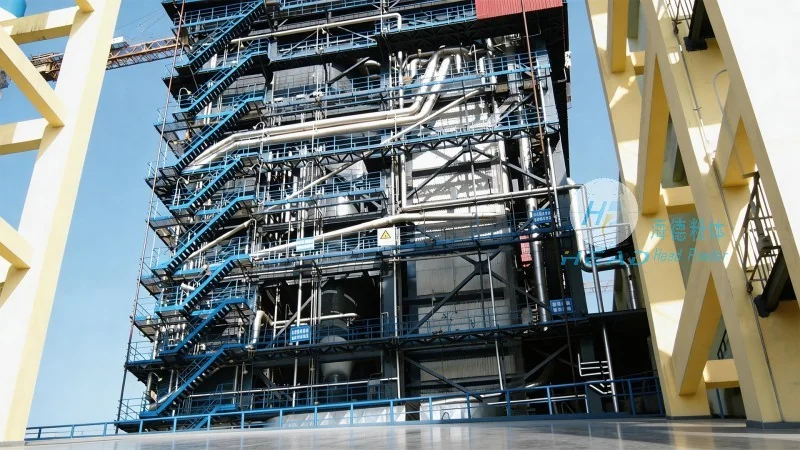
1. Belt Conveyors: The Workhorse of Material Handling
Belt conveyors are one of the most widely used methods for mineral sand transportation. They consist of a continuous belt that moves over rollers or pulleys, transporting the material from one point to another. This method is particularly effective for long-distance conveying and can handle a wide range of particle sizes, from fine sand to larger gravel. The belt can be inclined or horizontal, depending on the layout of the facility. Belt conveyors are known for their high capacity, low maintenance requirements, and ability to operate continuously for extended periods. They are a cost-effective solution for many mining and processing operations, making them a popular choice for mineral sand handling.
2. Bucket Elevators: Vertical Material Transport
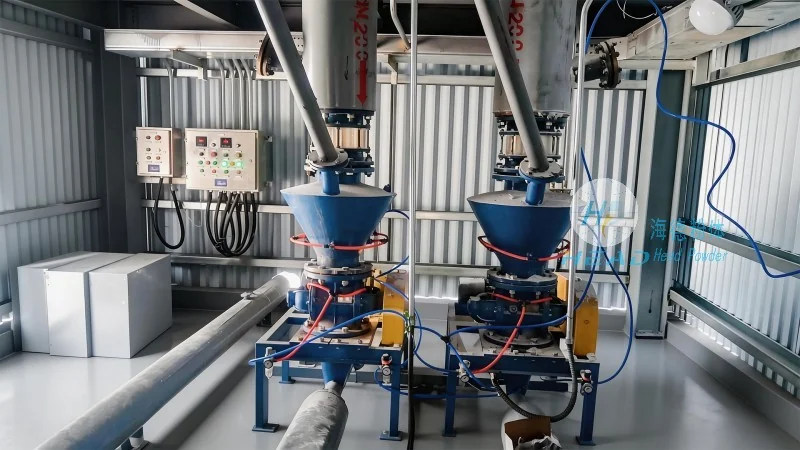
For vertical or inclined transport of mineral sands, bucket elevators are often used. These systems consist of a vertical or inclined frame with a series of buckets attached to a chain or belt. As the buckets move up the frame, they scoop up the material and discharge it at the top. Conversely, the buckets return to the bottom to pick up more material. Bucket elevators are ideal for transporting material over vertical heights, such as in processing plants where the sand needs to be lifted to different levels. They are capable of handling a variety of materials, including wet or sticky mineral sands, and can operate at high speeds, increasing throughput. The design of bucket elevators allows for efficient vertical transport with minimal space requirements, making them suitable for both small and large-scale operations.
3. Pneumatic Conveying Systems: Air-Driven Transport
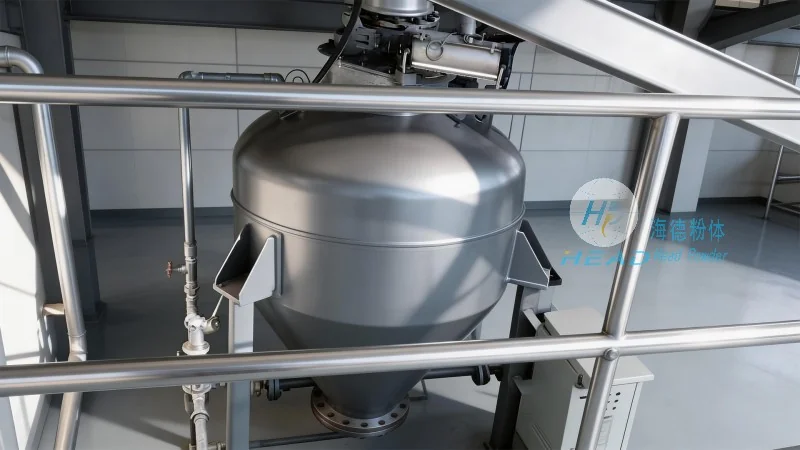
Pneumatic conveying systems use air to transport mineral sands through a pipeline. The material is suspended in a stream of air and carried to the destination. This method is particularly useful for transporting fine or dusty mineral sands, as it prevents dust from spreading and allows for enclosed transport. Pneumatic systems can be either positive pressure (where air pushes the material) or negative pressure (where air pulls the material). Positive pressure systems are often used for long-distance horizontal transport, while negative pressure systems are suitable for short-distance or vertical transport. These systems are flexible and can be integrated into existing facilities, making them a versatile option for mineral sand conveying. They are also relatively quiet and can handle materials that are sensitive to impact or abrasion.
4. Screw Conveyors: Continuous and Enclosed Transport
Screw conveyors, also known as auger conveyors, use a rotating screw to move mineral sands through a tube or trough. The screw rotates and pushes the material forward, allowing for continuous and enclosed transport. This method is effective for both horizontal and slight incline transport and is particularly useful for handling materials that are sticky or have a high moisture content. Screw conveyors are compact and can be installed in tight spaces, making them suitable for processing plants with limited floor space. They are also easy to maintain and can handle a wide range of particle sizes. The enclosed design of screw conveyors helps to contain dust and prevent material from spilling, making them a clean and efficient option for mineral sand transport.
5. Roller Conveyors: Simple and Versatile Horizontal Transport
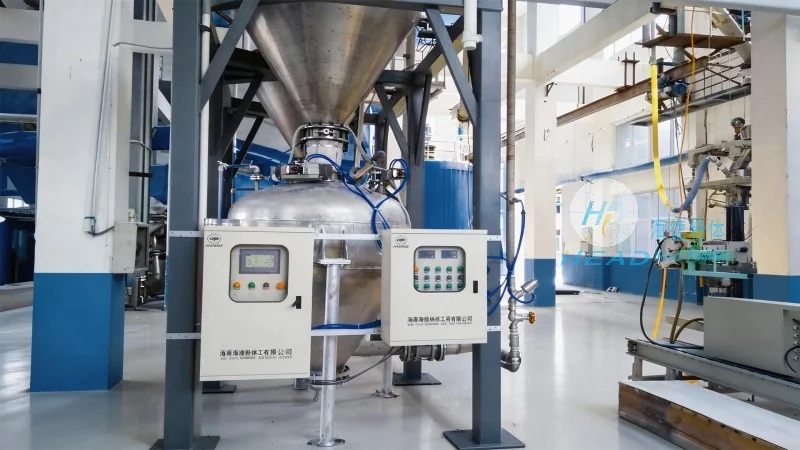
For simple horizontal transport of mineral sands, roller conveyors are a common choice. These systems consist of a series of rollers that support the material as it moves along the conveyor. The rollers can be powered or gravity-driven, depending on the application. Roller conveyors are ideal for transporting materials that are not too heavy or abrasive, as the rollers can wear out over time. They are often used in combination with other conveying methods, such as belt conveyors, to form a complete material handling system. Roller conveyors are simple to install and maintain, making them a cost-effective solution for short-distance horizontal transport of mineral sands. They are particularly useful in processing plants where the material needs to be moved from one processing stage to another.

 Shandong Headpowder Engineering Co., Ltd.
 156-6277-7102(Quản lý Trương)
  0531-83386006
  Thành phố Tế Nam, Tỉnh Sơn Đông, Trung Quốc
Điện thoại
WeChatTư vấn
Lên đầu