Với hơn 10 năm kinh nghiệm về vận chuyển khí nén, Headpowder Sơn Đông cung cấp hệ thống, thiết bị và quạt gió toàn chuỗi, đảm nhận các dự án kỹ thuật bột trọn gói trên toàn quốc.
Stone coal, also known as stone coal or stone coal, is a type of solid fuel with unique characteristics. The efficient and safe transport of stone coal is crucial for industrial applications, as it directly impacts operational efficiency and cost management. Understanding the common methods of stone coal transport is essential for selecting the most suitable solution for specific industrial needs. This article will explore the primary methods used in the industry, focusing on their applications, advantages, and considerations.
1. Pipeline Transportation
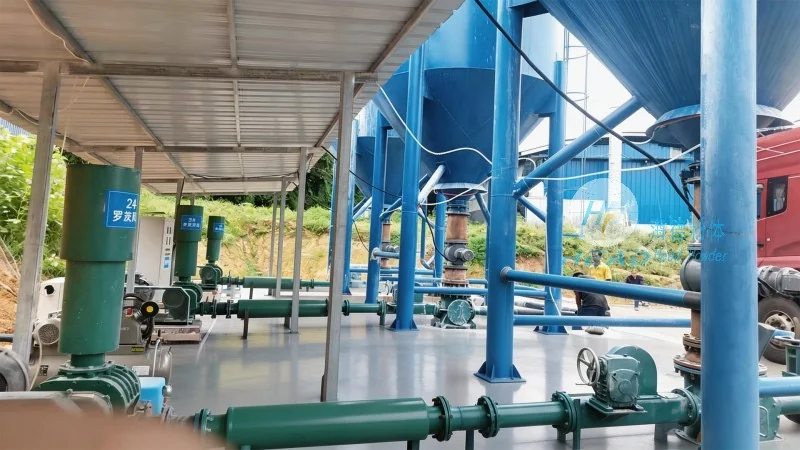
Pipeline transportation is a widely used method for moving stone coal over long distances. This method involves transporting the material through a network of pipelines, which can be buried or above ground. The process typically uses pressure or gravity to move the stone coal from the source to the destination. One of the key advantages of pipeline transport is its ability to handle large volumes of material continuously, reducing labor costs and minimizing the risk of spillage. The system is also relatively low maintenance once installed, making it a cost-effective solution for long-term operations. However, pipeline transportation requires significant upfront investment in infrastructure, including pipeline construction and pumping equipment. Additionally, it may not be suitable for all types of stone coal, as some materials may be too abrasive or have high moisture content, which can cause wear and tear on the pipeline. The pipeline system is designed with robust materials and advanced technology to ensure durability and efficiency. Regular inspections and maintenance are conducted to prevent leaks and ensure the system operates smoothly. This method is particularly effective for transporting stone coal from mines to processing facilities or power plants, where large volumes need to be moved over long distances.
2. Belt Conveyor System
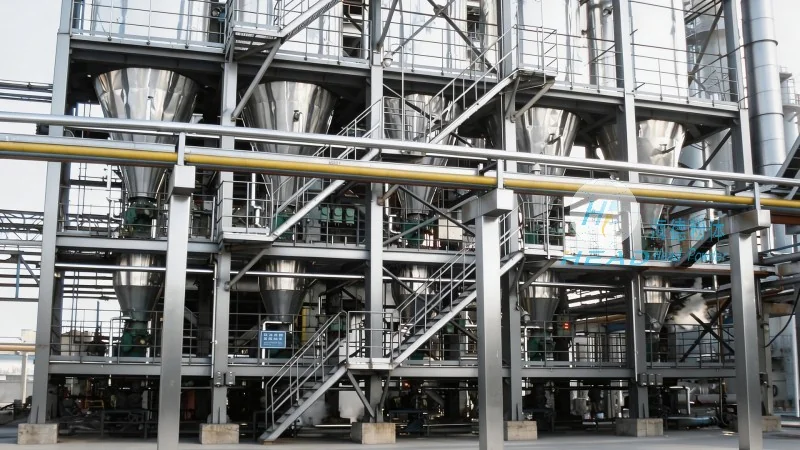
Belt conveyor systems are another common method for stone coal transport, particularly in industrial settings where material needs to be moved horizontally or at a slight incline. These systems consist of a continuous belt that moves over rollers or pulleys, transporting the stone coal from one location to another. Belt conveyors are highly efficient and can handle a wide range of material sizes and quantities. They are also relatively easy to install and maintain, making them a popular choice for many industrial applications. The primary advantage of belt conveyors is their ability to transport material over long distances with minimal energy consumption. However, they may not be suitable for steep inclines or high-traffic areas, as the belt can be damaged by heavy loads or sharp objects. Additionally, regular maintenance is required to ensure the belt remains in good condition and to prevent breakdowns. The belt material is typically made of durable rubber or synthetic materials, designed to withstand the abrasive nature of stone coal. The rollers and pulleys are also constructed from heavy-duty components to handle the weight and friction of the material. This system is commonly used in mining operations, power plants, and other industrial facilities where stone coal needs to be moved from storage to processing equipment.
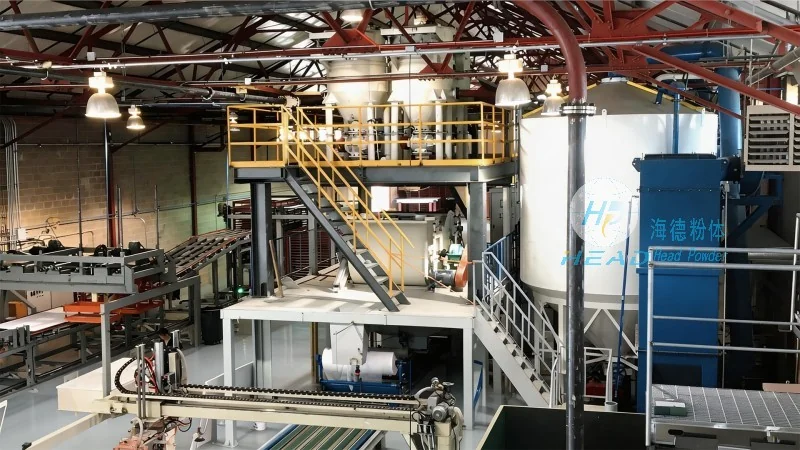
3. Truck Transportation
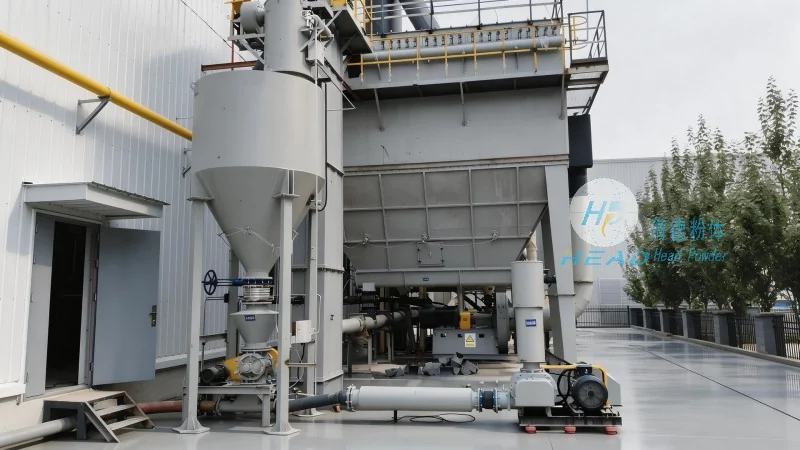
Truck transportation is a flexible and widely used method for moving stone coal, especially for short to medium distances. This method involves loading the stone coal into trucks and transporting it to the destination. Trucks can be used for both overland and off-road transport, making them suitable for various applications. The primary advantage of truck transportation is its flexibility, as it can be used to transport stone coal to locations that are not easily accessible by other methods. Additionally, trucks can be used to transport stone coal in bulk, reducing the number of trips required and lowering transportation costs. However, truck transportation may not be the most cost-effective option for long distances or large volumes, as it can be more expensive than other methods. Additionally, it may be subject to traffic congestion and weather conditions, which can affect delivery times. The trucks used for stone coal transport are typically heavy-duty vehicles equipped with specialized containers or trailers to handle the weight and volume of the material. These vehicles are designed to meet safety standards and regulations, ensuring the secure transport of the stone coal. The loading and unloading processes are carefully managed to minimize spillage and ensure efficient operation. This method is often used for transporting stone coal from mines to nearby processing plants or distribution centers.
4. Railway Transportation
Railway transportation is a common method for moving large volumes of stone coal over long distances. This method involves loading the stone coal into railway cars and transporting it via rail networks. The primary advantage of railway transport is its ability to handle large volumes of material at a relatively low cost per unit. Additionally, railways can transport stone coal over long distances with minimal environmental impact, as they do not require road infrastructure or generate emissions from vehicles. However, railway transportation may not be suitable for all types of stone coal, as some materials may be too heavy or have high moisture content, which can cause damage to the railway cars. Additionally, the infrastructure required for railway transport is expensive to build and maintain, making it a less common option for many applications. The railway cars used for stone coal transport are specifically designed to handle the weight and characteristics of the material. They are typically made of steel and equipped with reinforced structures to prevent damage during transport. The loading process is carefully managed to ensure the cars are filled evenly and securely, reducing the risk of shifting during transit. This method is particularly effective for transporting stone coal from remote mining sites to major processing facilities or ports.

 Shandong Headpowder Engineering Co., Ltd.
 156-6277-7102(Quản lý Trương)
  0531-83386006
  Thành phố Tế Nam, Tỉnh Sơn Đông, Trung Quốc
Điện thoại
WeChatTư vấn
Lên đầu