Với hơn 10 năm kinh nghiệm về vận chuyển khí nén, Headpowder Sơn Đông cung cấp hệ thống, thiết bị và quạt gió toàn chuỗi, đảm nhận các dự án kỹ thuật bột trọn gói trên toàn quốc.
Polysilicon, a critical raw material in the semiconductor industry, requires efficient and reliable conveying systems to ensure smooth production processes. The choice of conveying method significantly impacts operational efficiency, material quality, and overall cost-effectiveness. This article provides a detailed comparison of common polysilicon conveying methods, highlighting their advantages and disadvantages to help industrial manufacturers make informed decisions.
1. Screw Conveyors for Polysilicon Handling
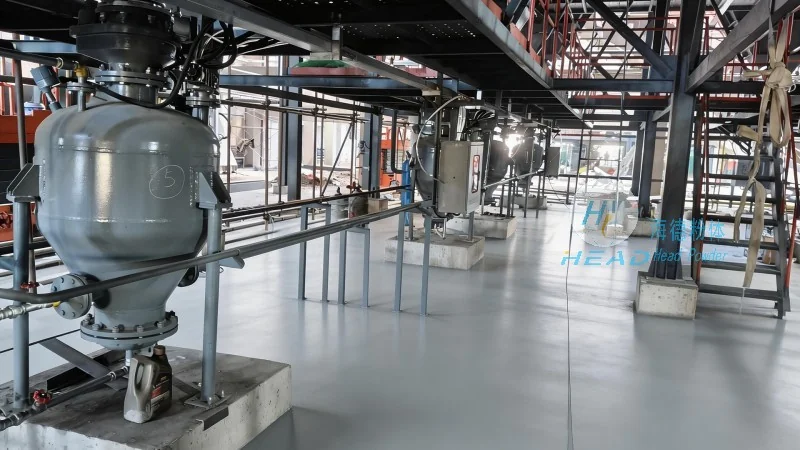
HeadPowder Engineering, a leading provider of material handling solutions, offers screw conveyors as a versatile option for polysilicon transport. Screw conveyors utilize a rotating helical screw to move material along a trough. These systems are particularly effective for horizontal or slightly inclined transport, making them suitable for short to medium-distance polysilicon transfer. The primary advantage of screw conveyors is their ability to handle a wide range of bulk materials, including fine powders like polysilicon, with minimal segregation. They are also compact and easy to install, requiring less floor space compared to other bulk handling equipment. However, screw conveyors have limitations when dealing with abrasive or sticky materials, as the screw and trough can experience wear over time. Additionally, they may not be ideal for long-distance transport due to the potential for material degradation or increased energy consumption.
2. Pneumatic Conveying Systems
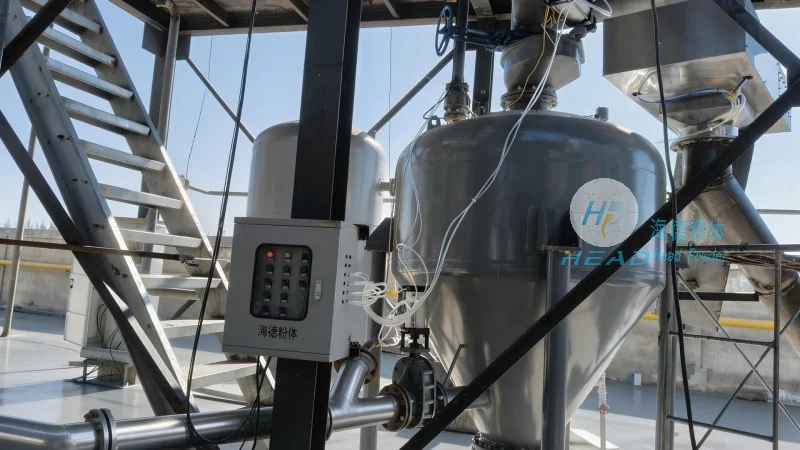
For applications requiring high-speed, dust-free transport over longer distances, pneumatic conveying systems are a popular choice. HeadPowder Engineering specializes in designing and manufacturing pneumatic conveyors tailored to polysilicon handling needs. These systems use compressed air to transport material through a pipeline. The advantages of pneumatic conveying include the ability to handle fine powders without the need for additional equipment, such as hoppers or feeders. They are also highly effective in preventing contamination and maintaining material purity, which is crucial for polysilicon used in semiconductor manufacturing. Pneumatic conveyors can operate in both positive and negative pressure modes, providing flexibility in system design. However, they require significant energy input due to the need for compressed air, and the system complexity can increase maintenance costs. Moreover, the risk of material degradation due to friction or air turbulence is a concern, especially for delicate polysilicon particles.
3. Belt Conveyors for Bulk Polysilicon Transport
Belt conveyors are widely used in polysilicon processing facilities for their ability to transport large volumes of material over long distances. HeadPowder Engineering offers robust belt conveyor systems designed to handle the demands of polysilicon handling. These conveyors consist of a continuous belt loop that moves material along a series of rollers or idlers. The primary advantage of belt conveyors is their high capacity and long-distance transport capability, making them suitable for large-scale production lines. They are also relatively simple to operate and maintain, with minimal downtime. However, belt conveyors require more space compared to screw or pneumatic systems, and the risk of material spillage or contamination is higher due to the open design. Additionally, they may not be suitable for fine powders, as the belt surface can cause material segregation or loss. Regular cleaning and maintenance are necessary to prevent material buildup and ensure smooth operation.
4. Comparison and Selection Criteria
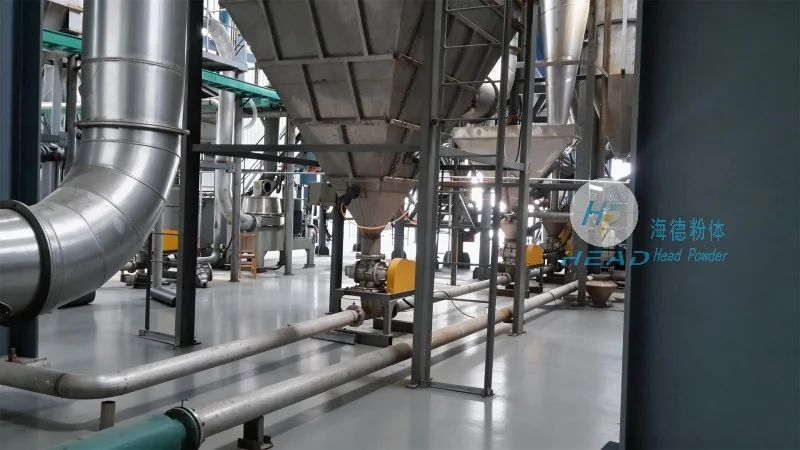
When selecting a polysilicon conveying method, several factors must be considered to ensure optimal performance. HeadPowder Engineering recommends evaluating the following criteria: material characteristics (e.g., particle size, moisture content, abrasiveness), transport distance, required capacity, and operational environment. Screw conveyors are ideal for short-distance, horizontal transport of fine powders, while pneumatic systems excel in long-distance, dust-free transport. Belt conveyors are best suited for large-scale, long-distance bulk transport. The choice of system also depends on the specific application, such as raw material input, intermediate processing, or finished product output. By carefully assessing these factors, manufacturers can select the most appropriate conveying method to enhance productivity and reduce operational costs.
Conclusion
Efficient polysilicon conveying is essential for maintaining the quality and efficiency of semiconductor production. HeadPowder Engineering provides comprehensive material handling solutions, including screw conveyors, pneumatic systems, and belt conveyors, tailored to the unique needs of polysilicon processing facilities. By understanding the advantages and disadvantages of each conveying method, manufacturers can make informed decisions that optimize their operations. With a focus on durability, reliability, and customization, HeadPowder Engineering ensures that their conveying systems meet the highest standards of performance and safety, supporting the growth and success of the semiconductor industry.

 Shandong Headpowder Engineering Co., Ltd.
 156-6277-7102(Quản lý Trương)
  0531-83386006
  Thành phố Tế Nam, Tỉnh Sơn Đông, Trung Quốc
Điện thoại
WeChatTư vấn
Lên đầu