Với hơn 10 năm kinh nghiệm về vận chuyển khí nén, Headpowder Sơn Đông cung cấp hệ thống, thiết bị và quạt gió toàn chuỗi, đảm nhận các dự án kỹ thuật bột trọn gói trên toàn quốc.
Flexible coke powder conveying is a critical aspect of industrial operations, particularly in sectors like steel production, metallurgy, and chemical processing. The efficient and safe transportation of coke powder from storage to processing units is essential for maintaining production efficiency and minimizing operational risks. This article provides a detailed comparison of common flexible coke powder conveying methods, highlighting their advantages and disadvantages to help industrial professionals make informed decisions.
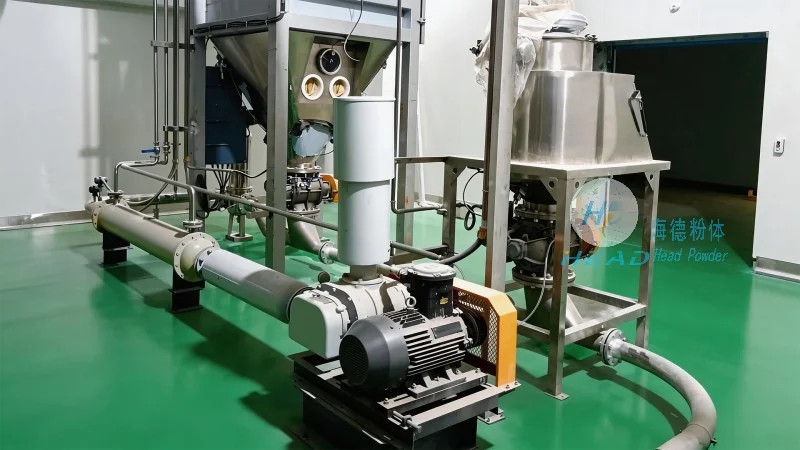
Introduction to Flexible Coke Powder Conveying Systems
Coke powder, a byproduct of coking coal, is widely used in various industrial applications due to its high carbon content and thermal properties. Conveying this material requires specialized equipment that can handle its abrasive nature, dust generation, and potential for spontaneous combustion. Flexible conveying systems are preferred in many applications because they offer adaptability to uneven or irregular layouts, reduced material spillage, and lower maintenance costs compared to rigid alternatives.
Types of Conveying Methods and Their Characteristics
Several methods are commonly employed for coke powder conveying, each with distinct mechanisms and applications. The primary types include screw conveyors, pneumatic (air) conveying systems, and flexible hose or tube conveyors. Each method operates on different principles, affecting factors such as material flow rate, energy consumption, and system complexity.
Screw Conveyors: Advantages and Limitations
Screw conveyors, also known as auger conveyors, are among the most traditional and widely used flexible conveying systems for bulk materials. They consist of a rotating helical screw blade inside a U-shaped or tubular housing. As the screw rotates, it pushes the material forward, creating a continuous flow. This method is particularly effective for horizontal or slightly inclined applications where the material is relatively free-flowing and non-abrasive.
Advantages of screw conveyors include their simplicity, low initial cost, and ability to handle a wide range of materials. They are easy to install and maintain, with minimal moving parts, which reduces the risk of mechanical failure. Additionally, screw conveyors can operate in a closed system, minimizing dust exposure and environmental contamination. They are also suitable for conveying materials with a moderate moisture content, as the screw action helps to dewater the material.
However, screw conveyors have several limitations that make them less suitable for coke powder applications. The primary drawback is their inefficiency in handling highly abrasive or sticky materials like coke powder, which can cause rapid wear and tear on the screw and housing. This leads to increased maintenance costs and potential downtime. Furthermore, screw conveyors are not ideal for vertical or steep incline applications, as the material may experience excessive pressure and blockage. The system also has a limited capacity for very fine powders, as the screw may not effectively transport particles smaller than a certain size.
Pneumatic Conveying Systems: Advantages and Limitations
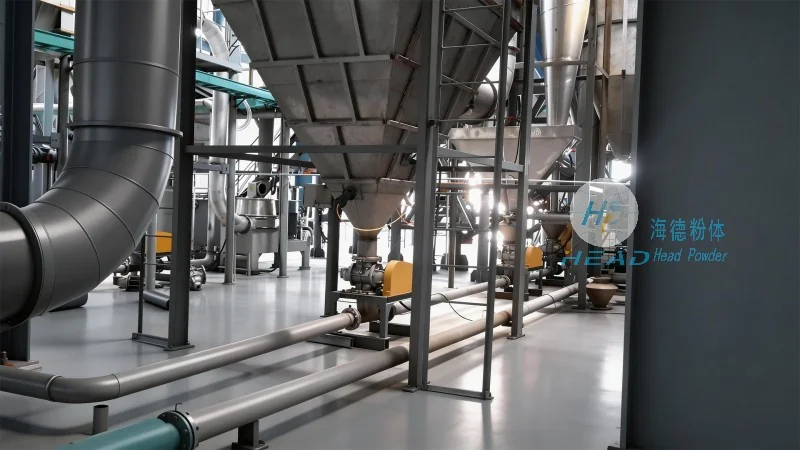
Pneumatic conveying systems use compressed air or other gases to transport coke powder through a network of pipes. These systems can be classified into two main types: dilute-phase and dense-phase. Dilute-phase systems use high-velocity air to suspend the powder in the air stream, while dense-phase systems use lower air velocities to push the material in a plug flow.
One of the key advantages of pneumatic conveying is its ability to handle highly abrasive and fine powders, such as coke powder, without significant wear. The air flow acts as a cushion, reducing the impact and friction between particles and the pipe walls. This makes pneumatic systems particularly suitable for applications where material handling is critical, such as in steel mills or chemical plants.
Another advantage is the flexibility of the system, as it can be easily reconfigured to accommodate changes in production volume or layout. Pneumatic conveyors can transport materials over long distances and through multiple bends, making them ideal for complex industrial setups. They also offer better dust control compared to other methods, as the material is enclosed within the pipe system.
Despite these benefits, pneumatic conveying has notable limitations. The primary drawback is the high energy consumption, as compressed air is required to move the material. This increases operational costs, especially for large-scale operations. Additionally, the system may experience pressure drops over long distances, which can reduce the conveying capacity and require additional air compressors. Another limitation is the potential for material segregation, where different particle sizes or densities may separate during transport, affecting the quality of the final product.
Flexible Hose or Tube Conveyors: Advantages and Limitations
Flexible hose or tube conveyors are another popular option for coke powder handling, particularly in applications requiring high flexibility and adaptability. These systems use a flexible tube or hose, often made of rubber or plastic, to transport the material. The tube is connected to a series of pumps or blowers that create a vacuum or pressure to move the material through the hose.
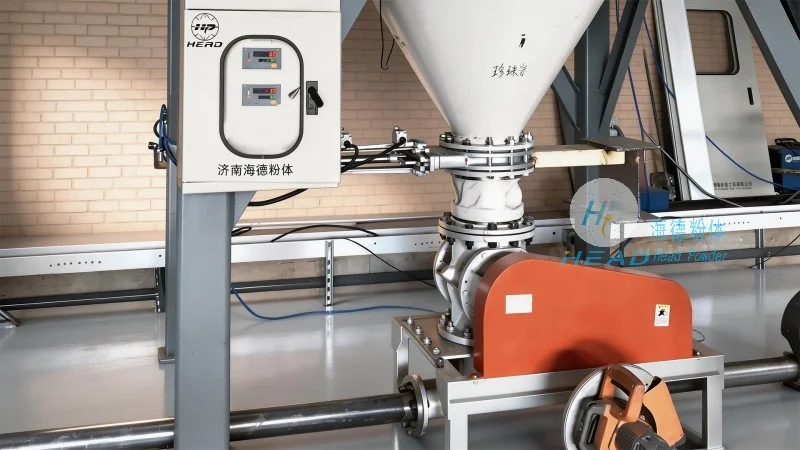
A significant advantage of flexible hose conveyors is their ability to navigate complex layouts and obstacles, such as around equipment or through tight spaces. This makes them ideal for retrofitting existing facilities or in areas with limited space. The system is also relatively low-cost to install and maintain, as the hose can be replaced easily without major structural changes.
Furthermore, flexible hose conveyors offer excellent dust control, as the material is contained within the hose, reducing environmental impact and health hazards. They are also suitable for handling materials with high moisture content or sticky properties, as the hose can flex to accommodate the material's characteristics.
However, flexible hose conveyors have several limitations that restrict their use in certain applications. The primary drawback is their limited capacity and pressure rating, which may not be sufficient for high-volume or high-pressure conveying tasks. The hose material can also degrade over time due to exposure to abrasive or corrosive materials, leading to increased maintenance and replacement costs. Additionally, the system may experience leakage or material spillage if the hose is damaged or not properly sealed, which can affect operational efficiency and safety.
HeadPowder's Expertise in Custom Conveying Solutions
Shandong HeadPowder Engineering Co., Ltd., a leading provider of industrial conveying solutions, specializes in designing and manufacturing flexible coke powder conveying systems tailored to the specific needs of its clients. With years of experience in the industry, HeadPowder understands the unique challenges associated with coke powder handling and offers comprehensive solutions that address the advantages and disadvantages of traditional methods.
HeadPowder's approach involves a thorough analysis of the client's operational requirements, including material characteristics, production volume, and site layout. Based on this analysis, the company designs custom conveying systems that optimize efficiency, reduce costs, and enhance safety. For example, HeadPowder may recommend a combination of screw and pneumatic components to leverage the strengths of each method, such as using a screw conveyor for initial material transport and a pneumatic system for final delivery to processing units.
The company's expertise extends to the selection of appropriate materials for the conveying components, such as high-strength steel for screw blades and wear-resistant rubber for hoses, to minimize wear and extend the system's lifespan. HeadPowder also provides ongoing maintenance and support services to ensure the system operates at peak performance, reducing downtime and maintenance costs for its clients.
By leveraging its technical knowledge and industry experience, HeadPowder helps industrial facilities achieve efficient, reliable, and cost-effective coke powder conveying. The company's solutions are designed to meet the specific demands of each application, whether it involves handling large volumes of material, navigating complex layouts, or maintaining strict environmental standards.

 Shandong Headpowder Engineering Co., Ltd.
 156-6277-7102(Quản lý Trương)
  0531-83386006
  Thành phố Tế Nam, Tỉnh Sơn Đông, Trung Quốc
Điện thoại
WeChatTư vấn
Lên đầu