Với hơn 10 năm kinh nghiệm về vận chuyển khí nén, Headpowder Sơn Đông cung cấp hệ thống, thiết bị và quạt gió toàn chuỗi, đảm nhận các dự án kỹ thuật bột trọn gói trên toàn quốc.
Sweet potato processing facilities often require efficient material handling solutions to ensure smooth production flow. A well-designed pneumatic conveying system can significantly enhance operational efficiency, reduce labor costs, and improve product quality. This article outlines the key considerations and steps involved in designing a reasonable sweet potato pneumatic conveying system, presented by Shandong HeadPowder Engineering Co., Ltd., a leading provider in the field.
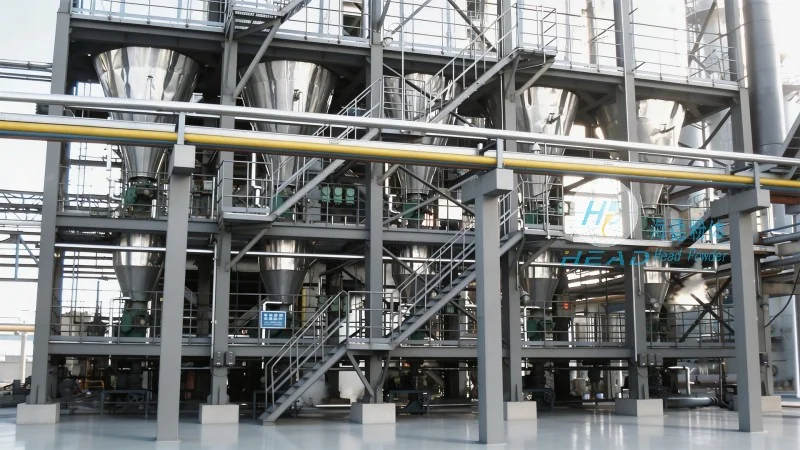
About Shandong HeadPowder Engineering Co., Ltd.
HeadPowder is a professional engineering company specializing in the design, manufacturing, and installation of pneumatic conveying systems. With years of experience in the agricultural processing industry, HeadPowder has developed a deep understanding of the unique challenges associated with handling sweet potatoes and other bulk materials. The company is headquartered in Shandong, China, and serves clients globally with customized solutions tailored to their specific needs.
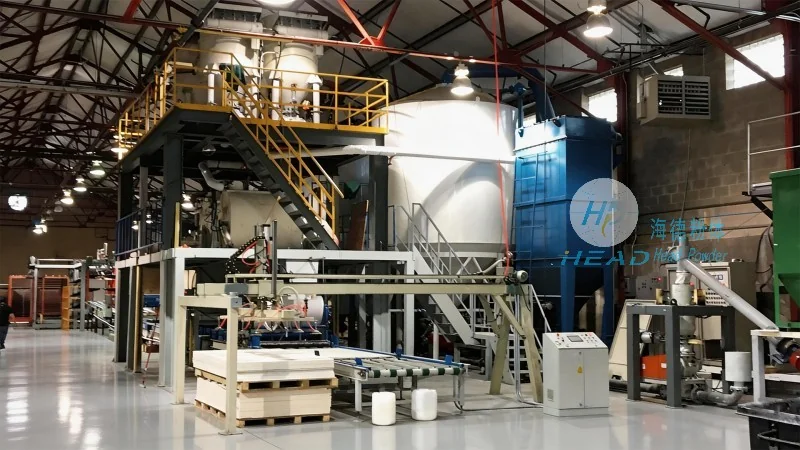
Key Factors in Designing a Sweet Potato Pneumatic Conveying System
The success of a pneumatic conveying system for sweet potatoes depends on several critical factors. First, the system must be designed to handle the physical properties of sweet potatoes, such as their size, moisture content, and density. These characteristics affect the air velocity required for effective transport and the risk of material degradation. Second, the system layout must be optimized to minimize pressure losses and energy consumption. This involves selecting the appropriate pipeline diameter, length, and number of bends, as well as incorporating efficient dust collection and filtration systems. Third, the system should be equipped with reliable control mechanisms to regulate air flow, pressure, and material flow, ensuring consistent performance and preventing blockages or overloading.
Components of a Sweet Potato Pneumatic Conveying System
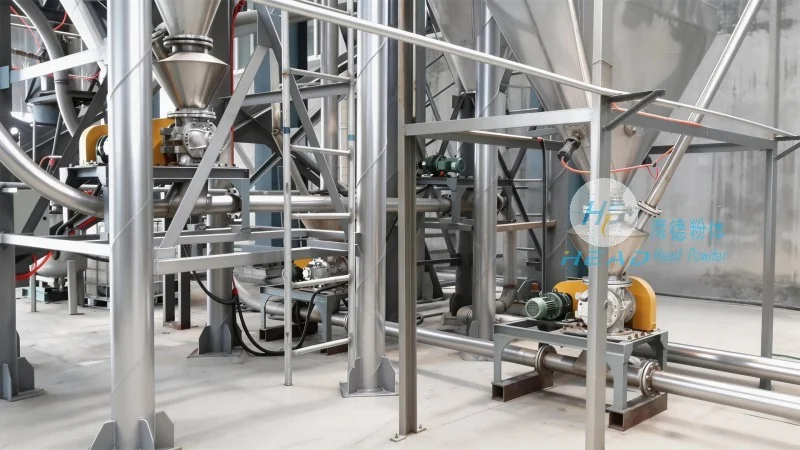
A typical sweet potato pneumatic conveying system consists of several key components. The primary components include a material feeder, which feeds sweet potatoes into the system at a controlled rate; a blower or air compressor, which generates the necessary air pressure to move the material; a pipeline network, which transports the material from the feeder to the discharge point; and a receiver or hopper, which collects the conveyed material. Additional components may include a dust collector, which captures airborne particles to maintain air quality and prevent contamination; a filter, which removes dust from the air before it is released back into the environment; and a control panel, which monitors and regulates the system's operation. Each component must be selected and sized appropriately to ensure the system operates efficiently and safely.
Step-by-Step Design Process for Sweet Potato Pneumatic Conveying Systems
The design process for a sweet potato pneumatic conveying system involves several systematic steps. First, the system requirements are defined, including the material handling capacity, the distance between the feeder and discharge point, and the desired operating conditions (e.g., air pressure, temperature). Second, the material characteristics are analyzed to determine the appropriate air velocity and pipeline diameter. Third, the system layout is planned, considering the available space and the need to minimize pressure losses. Fourth, the components are selected and sized based on the design parameters. Fifth, the system is modeled and simulated to verify its performance and identify potential issues. Finally, the system is installed and commissioned, with adjustments made as needed to ensure optimal operation. This iterative process ensures that the final system meets all performance and safety requirements.
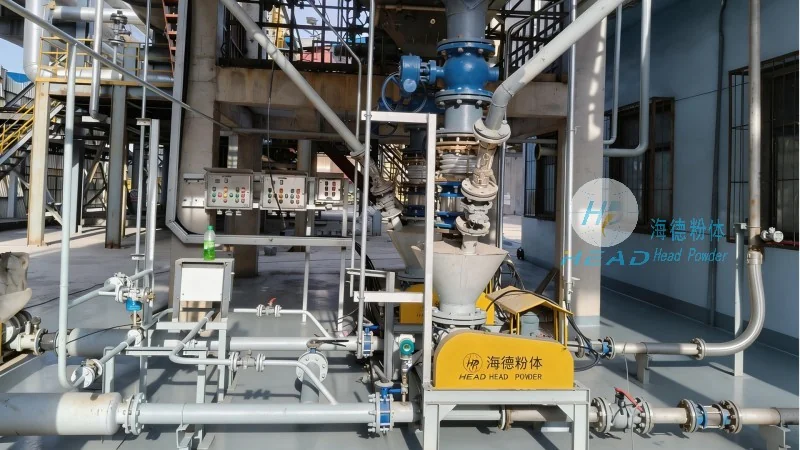
Benefits of a Well-Designed Sweet Potato Pneumatic Conveying System
A properly designed pneumatic conveying system offers numerous benefits for sweet potato processing facilities. First, it improves operational efficiency by reducing the time and labor required for material handling. The system can transport sweet potatoes from one location to another quickly and reliably, allowing for continuous production. Second, it enhances product quality by minimizing material damage and contamination. Unlike mechanical conveyors, which can cause bruising or crushing, pneumatic systems use air to move material, preserving the integrity of the sweet potatoes. Third, it reduces energy consumption and operating costs. By optimizing the system layout and selecting efficient components, the energy required to operate the system can be minimized. Fourth, it improves workplace safety by eliminating the need for manual handling of bulk materials, reducing the risk of accidents and injuries. Finally, it provides flexibility in system design, allowing for easy expansion or modification as production needs change.
Application Examples and Case Studies
HeadPowder has successfully implemented pneumatic conveying systems for various sweet potato processing facilities. For example, a client in Shandong, China, required a system to transport sweet potatoes from a storage silo to a processing line. The system was designed to handle 10 tons per hour of material over a distance of 50 meters. The system included a material feeder, a high-pressure blower, and a stainless steel pipeline network. The system has been in operation for over two years, with minimal maintenance and consistent performance. Another client, a sweet potato chip manufacturer, required a system to transport peeled and sliced sweet potatoes from a conveyor to a frying machine. The system was designed to handle 5 tons per hour of material over a distance of 30 meters. The system included a dust collector and a filter to maintain air quality. Both cases demonstrate the effectiveness of HeadPowder's pneumatic conveying systems in improving operational efficiency and product quality.

 Shandong Headpowder Engineering Co., Ltd.
 156-6277-7102(Quản lý Trương)
  0531-83386006
  Thành phố Tế Nam, Tỉnh Sơn Đông, Trung Quốc
Điện thoại
WeChatTư vấn
Lên đầu