Với hơn 10 năm kinh nghiệm về vận chuyển khí nén, Headpowder Sơn Đông cung cấp hệ thống, thiết bị và quạt gió toàn chuỗi, đảm nhận các dự án kỹ thuật bột trọn gói trên toàn quốc.
When it comes to handling clay materials efficiently and safely, selecting the right pneumatic conveying system is crucial. For companies dealing with clay, whether in manufacturing, construction, or processing industries, a well-designed system can significantly improve operational efficiency and reduce costs. This article provides a comprehensive guide to designing a reasonable clay pneumatic conveying system, focusing on key factors and practical considerations.
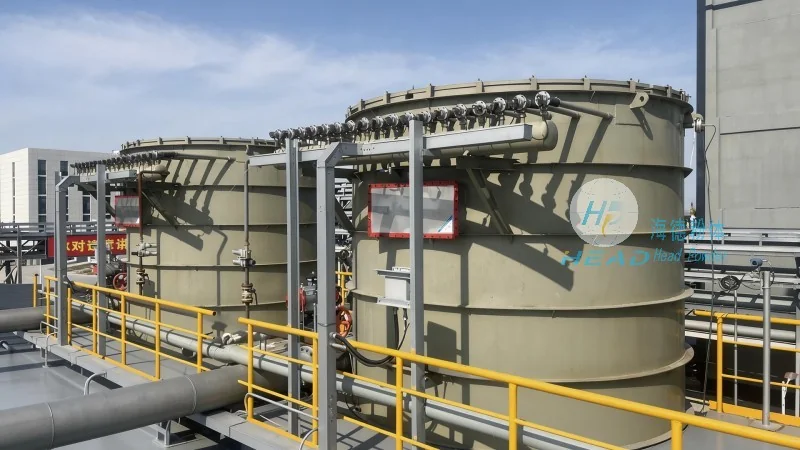
Understanding the Core Requirements for Clay Handling
Clay materials present unique challenges in material handling due to their high moisture content, abrasive nature, and tendency to clog or settle in traditional systems. A successful design must address these characteristics to ensure smooth operation. The first step is to analyze the specific properties of the clay being handled, including particle size distribution, moisture level, and bulk density. These parameters directly influence the choice of system type and equipment specifications.
System Type Selection: Positive Pressure vs. Negative Pressure
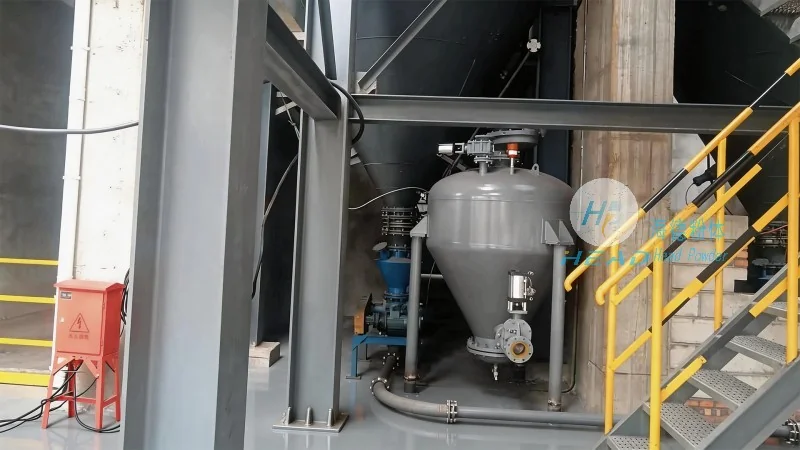
Two primary system types are commonly used in clay pneumatic conveying: positive pressure and negative pressure systems. Each has distinct advantages and is suitable for different applications. Positive pressure systems, which force air through the material, are generally better for long-distance conveying and handling abrasive or sticky materials like clay. They provide better control over material flow and are less prone to clogging. Negative pressure systems, on the other hand, draw material into the system using suction, which is often more suitable for shorter distances and when the material is less abrasive. The choice between these systems depends on factors such as conveying distance, material characteristics, and operational environment.
Key Design Considerations for a Reliable System
Several critical factors must be considered during the design phase to ensure the system operates reliably and efficiently. First, the system's capacity and flow rate must be matched to the production requirements. This involves calculating the required air volume and pressure to maintain consistent material transport. Second, the equipment selection is paramount. High-quality components, such as robust pumps, efficient filters, and durable piping, are essential to handle the abrasive nature of clay. Third, the system layout and installation must be carefully planned to minimize pressure losses and prevent material buildup. This includes proper sizing of ducts, elbows, and bends, as well as the use of appropriate cleaning mechanisms like rotary valves and cyclones.
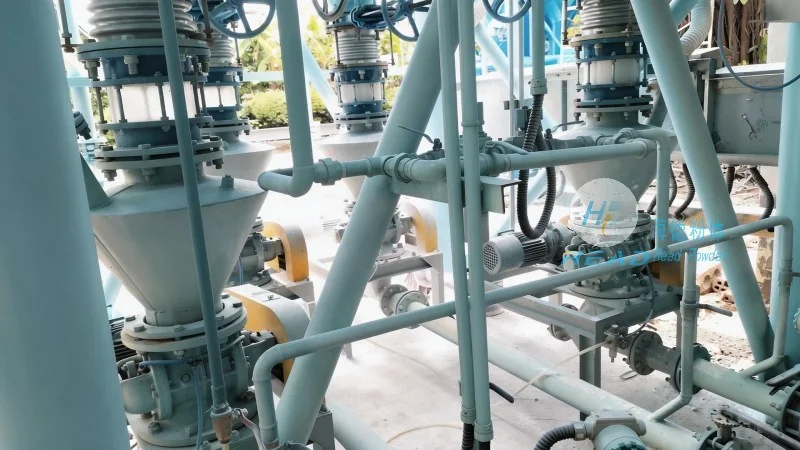
Equipment Selection and Integration
For a clay pneumatic conveying system to function optimally, each component must be carefully selected and integrated. The feed system, which includes hoppers and feeders, is critical for controlling the material flow rate and preventing clogging. Rotary valves are often used as feeders due to their ability to handle sticky materials without blockages. The conveying line, typically made of stainless steel or other corrosion-resistant materials, must be designed to withstand the abrasive effects of clay. Filters and dust collectors are essential to maintain air quality and comply with environmental regulations. The system should also include pressure relief valves and safety devices to prevent overpressure and ensure safe operation.
Installation and Maintenance Best Practices
Proper installation and regular maintenance are vital to the long-term performance and reliability of a clay pneumatic conveying system. During installation, it is important to ensure all components are properly aligned and secured to minimize vibration and wear. The system should be tested under load to identify any potential issues before full operation. Regular maintenance involves cleaning filters, inspecting equipment for wear, and checking for leaks or pressure drops. Preventive maintenance schedules should be established to address potential problems before they become major issues, ensuring the system operates at peak efficiency.
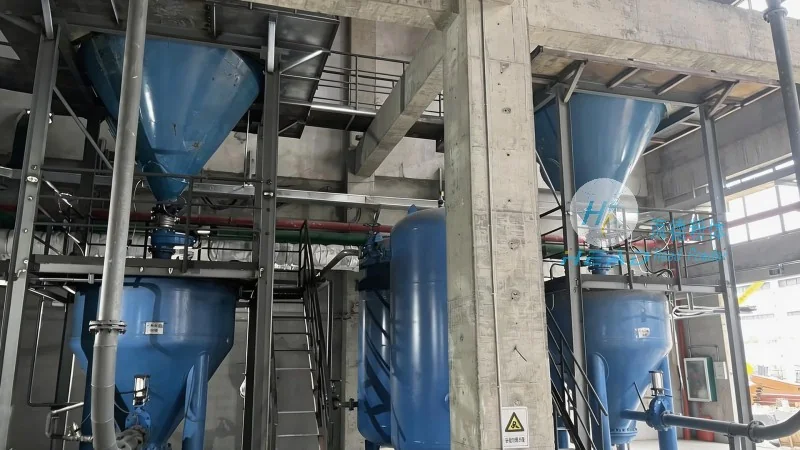
Case Study: Successful Implementation by Shandong HeadPowder Engineering Co., Ltd.
Shandong HeadPowder Engineering Co., Ltd., a leading provider of material handling solutions, has successfully implemented clay pneumatic conveying systems for various clients. By leveraging their expertise in system design and engineering, they have helped companies improve their material handling processes and reduce operational costs. For example, one client, a clay manufacturing company, was able to increase their production capacity by 30% after implementing a custom-designed positive pressure system. The system was tailored to handle their specific clay properties, ensuring efficient and reliable material transport. This case study highlights the importance of a well-designed system and the expertise of experienced engineers in achieving optimal results.
Conclusion: Achieving Efficiency with a Well-Designed System
Designing a reasonable clay pneumatic conveying system requires careful consideration of material properties, system type, equipment selection, and operational requirements. By addressing these factors and following best practices, companies can achieve efficient, reliable, and cost-effective material handling. Shandong HeadPowder Engineering Co., Ltd. offers comprehensive solutions and expertise to help clients design and implement systems that meet their specific needs. Whether you are dealing with high-volume clay processing or need a system for a smaller operation, a well-designed pneumatic conveying system can significantly improve your operations and contribute to long-term success.

 Shandong Headpowder Engineering Co., Ltd.
 156-6277-7102(Quản lý Trương)
  0531-83386006
  Thành phố Tế Nam, Tỉnh Sơn Đông, Trung Quốc
Điện thoại
WeChatTư vấn
Lên đầu