Với hơn 10 năm kinh nghiệm về vận chuyển khí nén, Headpowder Sơn Đông cung cấp hệ thống, thiết bị và quạt gió toàn chuỗi, đảm nhận các dự án kỹ thuật bột trọn gói trên toàn quốc.
When it comes to designing an efficient and reliable sugar conveying system, the choice of pneumatic transport technology plays a crucial role in ensuring smooth operations and maintaining product quality. For industries dealing with bulk sugar, selecting the right system design is essential to optimize performance, reduce downtime, and enhance overall productivity.
Understanding the Core Components of a Pneumatic Sugar Conveying System
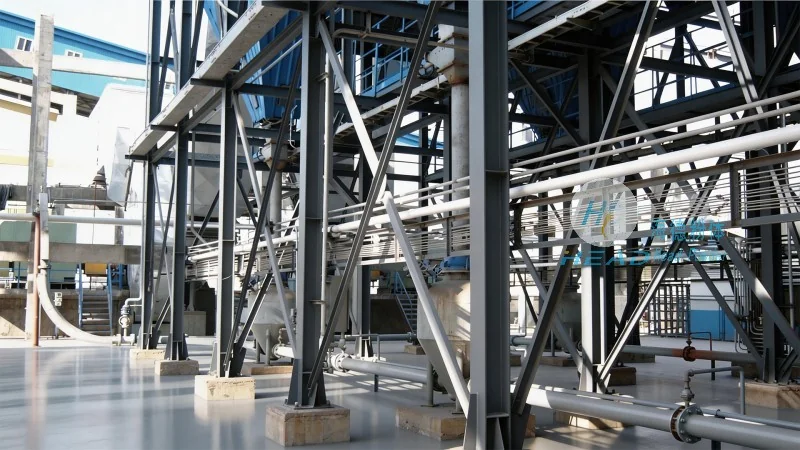
A well-designed pneumatic sugar conveying system typically consists of several key components that work in tandem to move sugar from one location to another. These components include the conveying line (either vertical or horizontal), a fan or blower to generate the necessary air pressure, a hopper or feeder to control the flow of sugar, and a receiver or silo to store the conveyed material. The selection of each component is critical and must be tailored to the specific characteristics of the sugar being handled, such as particle size, moisture content, and bulk density.
Choosing the Right Pneumatic Conveying Type for Sugar Handling
There are two primary types of pneumatic conveying systems used in the sugar industry: suction (or negative pressure) and pressure (or positive pressure) systems. Suction systems are ideal for applications where the sugar is to be collected from multiple points and transported to a central location, as they can draw material from various sources without the need for additional equipment at each point. On the other hand, pressure systems are better suited for long-distance or high-velocity conveying, as they can maintain consistent pressure throughout the system, ensuring efficient movement of the sugar. The choice between these systems depends on factors like the distance between the source and destination, the volume of sugar to be conveyed, and the available space for installation.
Key Design Considerations for Sugar Pneumatic Conveying
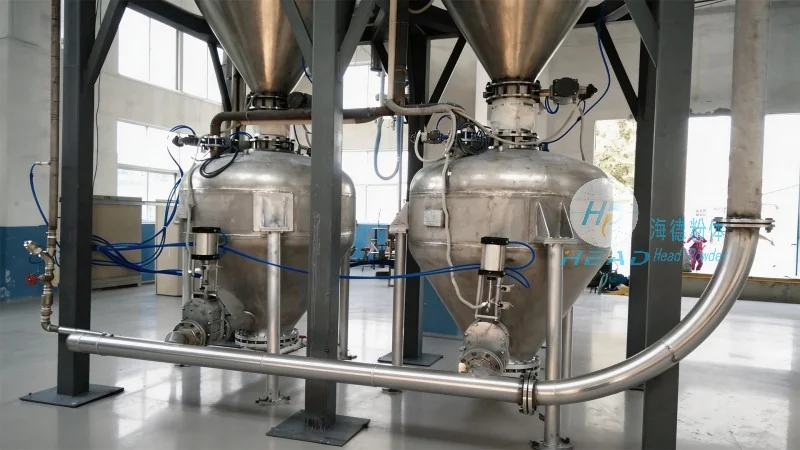
Several factors must be carefully considered during the design phase to ensure the success of a sugar pneumatic conveying system. First, the material handling capacity is a critical parameter that determines the size of the conveying line and the power of the fan or blower. Engineers must calculate the required air velocity and pressure to move the sugar efficiently without causing excessive wear on the system components. Second, the design must address the issue of product separation and separation of air from the conveyed material. This is typically achieved through the use of cyclones or filters, which help to separate the sugar from the air stream and prevent dust accumulation in the system. Third, the system must be designed with appropriate sealing and cleaning mechanisms to prevent contamination and ensure the purity of the sugar. This is particularly important in food processing applications where hygiene standards are strictly enforced.
Equipment Selection and Installation for Optimal Performance
The selection of equipment for a sugar pneumatic conveying system requires careful evaluation of various factors, including the type of fan or blower, the material of the conveying line, and the design of the hopper and feeder. For sugar applications, it is recommended to use high-efficiency, low-noise fans that can handle the abrasive nature of sugar particles without causing excessive wear. The conveying line should be made of materials that are resistant to corrosion and wear, such as stainless steel or special alloys, to ensure long-term durability. The hopper and feeder should be designed to provide a consistent flow of sugar, preventing blockages and ensuring smooth operation. Proper installation of the system, including the alignment of the conveying line and the positioning of the fan and receiver, is also crucial for optimal performance and to minimize energy consumption.
Ensuring System Reliability and Maintenance
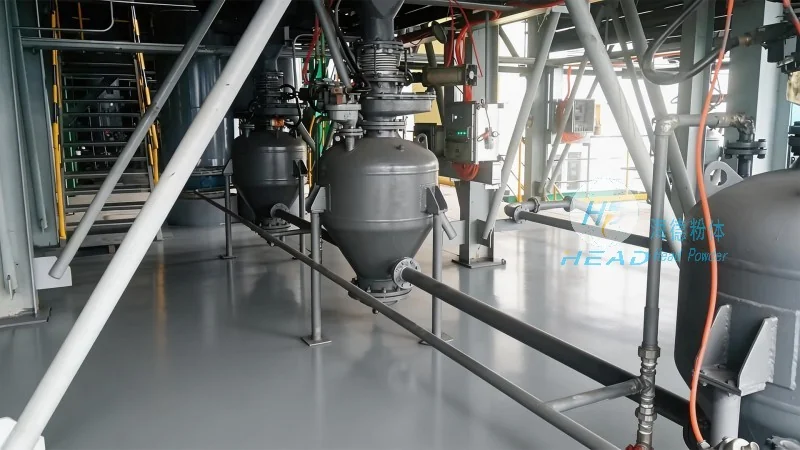
A well-designed pneumatic sugar conveying system must be reliable and easy to maintain to minimize downtime and maximize productivity. Regular maintenance is essential to ensure that all components are functioning properly and to prevent issues such as clogging or wear. This includes cleaning the conveying line and filters regularly, checking the fan and blower for wear and tear, and inspecting the seals and bearings for any signs of damage. By implementing a regular maintenance schedule, companies can extend the lifespan of their system and reduce the risk of costly breakdowns.
Conclusion: Partnering with a Specialized Engineering Company for Sugar Conveying Solutions
Designing a reasonable sugar pneumatic conveying system requires a deep understanding of the material properties, the conveying principles, and the specific requirements of the application. For industries dealing with bulk sugar, partnering with a specialized engineering company like Shandong HeadPowder Engineering Co., Ltd. can provide the expertise and experience needed to design and implement a system that meets their unique needs. With a focus on quality, reliability, and customer satisfaction, HeadPowder offers comprehensive solutions for sugar conveying systems, including design, manufacturing, and installation services. By working with a trusted partner, companies can ensure that their sugar conveying system is optimized for performance, efficiency, and long-term success.

 Shandong Headpowder Engineering Co., Ltd.
 156-6277-7102(Quản lý Trương)
  0531-83386006
  Thành phố Tế Nam, Tỉnh Sơn Đông, Trung Quốc
Điện thoại
WeChatTư vấn
Lên đầu