Với hơn 10 năm kinh nghiệm về vận chuyển khí nén, Headpowder Sơn Đông cung cấp hệ thống, thiết bị và quạt gió toàn chuỗi, đảm nhận các dự án kỹ thuật bột trọn gói trên toàn quốc.
When it comes to the transportation of zinc oxide suboxide, selecting the right method is crucial for ensuring product quality, efficiency, and safety. As a leading manufacturer in the field, Shandong HeadPowder Engineering Co., Ltd. (hereinafter referred to as HeadPowder) understands the importance of choosing an appropriate transportation method tailored to specific industrial needs. This article provides a detailed comparison of common zinc oxide suboxide transportation methods, highlighting their advantages and disadvantages to help clients make informed decisions.
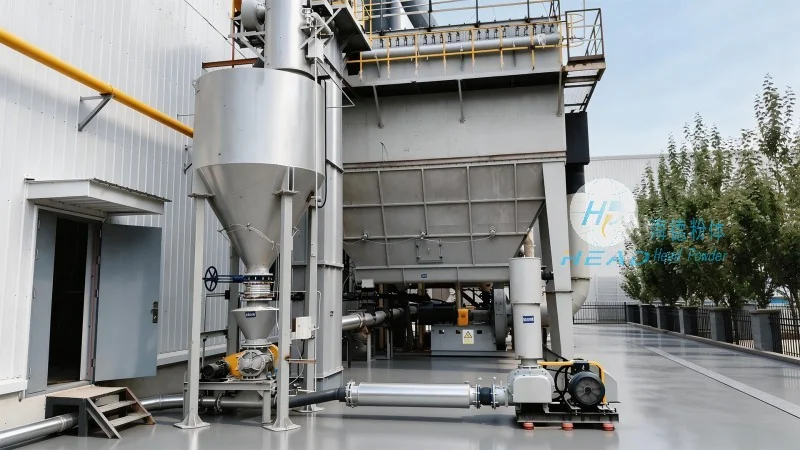
Overview of Zinc Oxide Suboxide and Its Transportation Significance
Zinc oxide suboxide is a critical material in various industrial applications, including battery manufacturing, chemical synthesis, and material processing. Its unique properties make it indispensable in producing high-quality products. The transportation of this material requires careful consideration due to its sensitivity to environmental factors and the need to maintain its purity. Proper transportation methods not only protect the material from contamination but also ensure it reaches the destination in optimal condition. HeadPowder, with its expertise in material handling, offers insights into the most effective transportation solutions for zinc oxide suboxide.
Method 1: Bulk Container Transportation
Bulk container transportation is a widely used method for moving large quantities of zinc oxide suboxide. This approach involves loading the material into specialized containers designed to minimize exposure to air and moisture. The containers are typically made of stainless steel or other corrosion-resistant materials, ensuring the material remains stable during transit. One of the primary advantages of bulk container transportation is its ability to handle large volumes efficiently, reducing the number of shipments and associated costs. However, this method may present challenges in terms of handling and unloading, as the containers are heavy and require specialized equipment. Additionally, the risk of material spillage or contamination during loading and unloading processes is higher compared to other methods. HeadPowder recommends this method for clients with high-volume requirements and established logistics infrastructure.
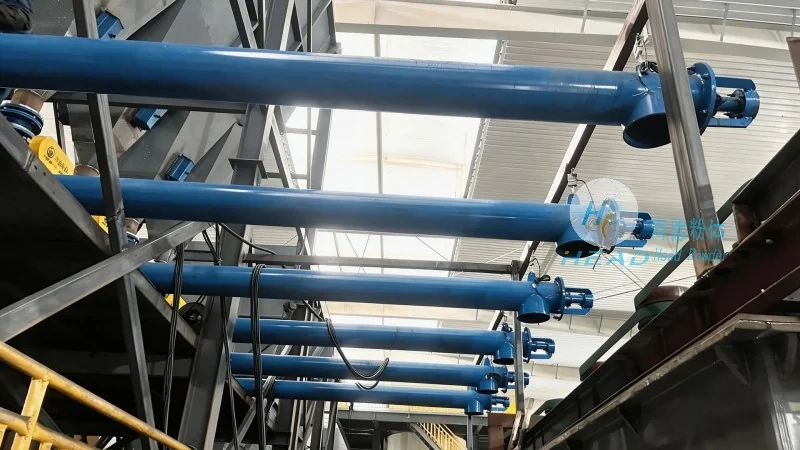
Method 2: Bagged Transportation
Bagged transportation involves packaging zinc oxide suboxide in sealed bags, which are then loaded into containers or trucks. This method is suitable for both small and medium-sized shipments. The bags are usually made of polyethylene or other breathable materials, allowing for some air circulation while preventing moisture and dust from entering. The main advantage of bagged transportation is its flexibility, as it can be easily handled and stored. It also provides better protection against physical damage compared to bulk containers. However, the material may be more susceptible to moisture absorption if the bags are not properly sealed. Another drawback is the increased risk of dust exposure during handling, which can affect the material's purity and pose health risks. HeadPowder suggests this method for clients who need to transport smaller quantities or require more frequent deliveries.
Method 3: Palletized Transportation
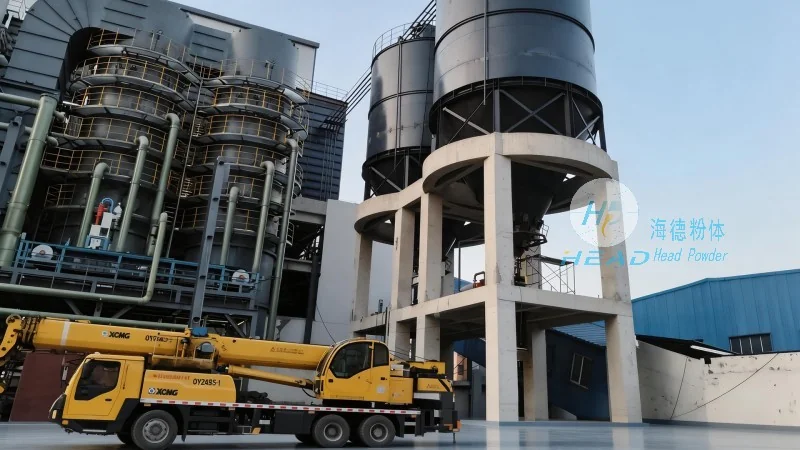
Palletized transportation involves placing zinc oxide suboxide bags or containers on pallets for easier handling and storage. This method enhances the efficiency of loading and unloading operations, as pallets can be easily moved using forklifts or other equipment. The primary advantage of palletized transportation is improved logistics management, as it allows for better organization and tracking of shipments. It also reduces the risk of material damage during handling. However, this method may require additional space for storage and handling, which can be a concern for facilities with limited capacity. The cost of pallets and associated handling equipment may also add to the overall transportation expenses. HeadPowder recommends this method for clients with moderate to high shipment volumes and established warehouse systems.
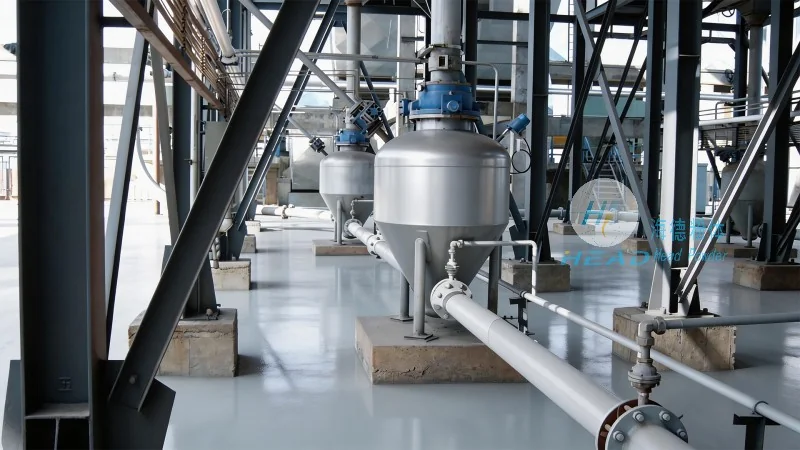
Method 4: Specialized Vehicle Transportation
Specialized vehicle transportation uses dedicated vehicles equipped with features to protect zinc oxide suboxide during transit. These vehicles may include temperature-controlled compartments, air filtration systems, and secure loading mechanisms. The main advantage of this method is the ability to maintain specific environmental conditions, such as temperature and humidity, which is crucial for preserving the material's quality. It also provides better security and reduces the risk of theft or tampering. However, specialized vehicles are more expensive to operate and may have limited availability, especially for smaller shipments. The higher cost may not be justified for clients with low-volume requirements. HeadPowder advises this method for clients who need to transport high-value or sensitive zinc oxide suboxide batches.
Comparative Analysis of Transportation Methods
When comparing the various transportation methods for zinc oxide suboxide, several factors need to be considered, including volume, cost, safety, and logistics. Bulk container transportation is ideal for large volumes but may be less flexible. Bagged transportation offers flexibility and better protection for smaller quantities. Palletized transportation enhances logistics efficiency for moderate volumes, while specialized vehicles provide optimal conditions for high-value materials. HeadPowder recommends that clients evaluate their specific needs, such as shipment volume, budget, and material sensitivity, to choose the most suitable transportation method. By understanding the advantages and disadvantages of each approach, clients can optimize their transportation processes and ensure the consistent quality of zinc oxide suboxide.

 Shandong Headpowder Engineering Co., Ltd.
 156-6277-7102(Quản lý Trương)
  0531-83386006
  Thành phố Tế Nam, Tỉnh Sơn Đông, Trung Quốc
Điện thoại
WeChatTư vấn
Lên đầu