Với hơn 10 năm kinh nghiệm về vận chuyển khí nén, Headpowder Sơn Đông cung cấp hệ thống, thiết bị và quạt gió toàn chuỗi, đảm nhận các dự án kỹ thuật bột trọn gói trên toàn quốc.
When it comes to transporting corn cobs, there are several effective methods that can be employed to ensure efficient and reliable movement of this agricultural byproduct. These methods are designed to handle the unique characteristics of corn cobs, such as their bulk, irregular shape, and potential for dust or debris. By understanding the available options, businesses can select the most suitable approach for their specific operational needs.
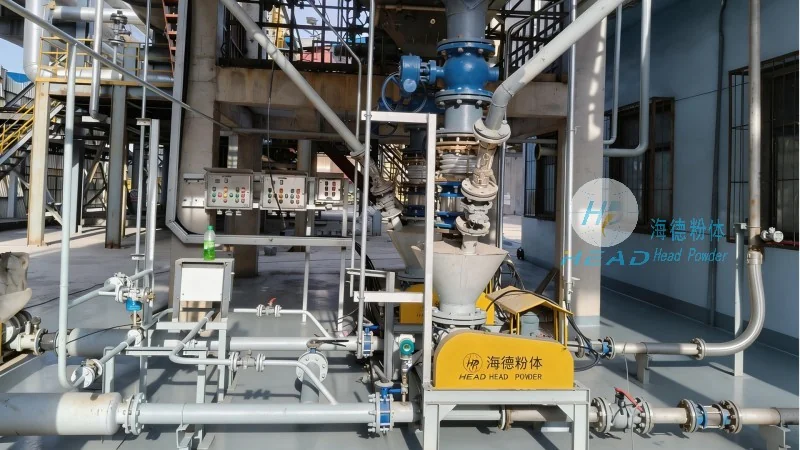
Common Transport Methods for Corn Cobs
One of the most widely used methods for corn cobs transport is through the use of conveyor systems. These systems can be customized to handle the size and weight of corn cobs, with options including belt conveyors, screw conveyors, and pneumatic conveyors. Belt conveyors are particularly effective for transporting corn cobs over longer distances, as they can maintain a consistent flow and minimize material spillage. Screw conveyors, on the other hand, are ideal for vertical or inclined transport, making them suitable for elevating corn cobs from lower to higher levels in processing facilities. Pneumatic conveyors use air pressure to move corn cobs through a pipeline, which is advantageous for applications requiring dust control or the transport of materials over short distances.
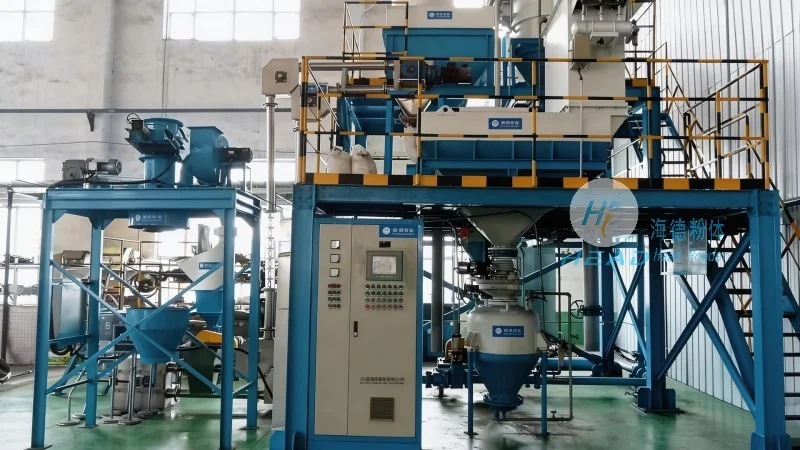
Specialized Equipment for Corn Cobs Handling
Another method involves the use of specialized equipment designed specifically for corn cobs. This includes augers, which are long, rotating screws that can pull corn cobs along a path, and bucket elevators, which use buckets attached to a chain or belt to lift and transport corn cobs vertically. These equipment options are often used in combination with other transport systems to create a comprehensive handling solution. For example, an auger might be used to move corn cobs from a storage bin to a conveyor system, while a bucket elevator could be employed to transport them to a processing line above.
Manual and Mechanical Loading Techniques
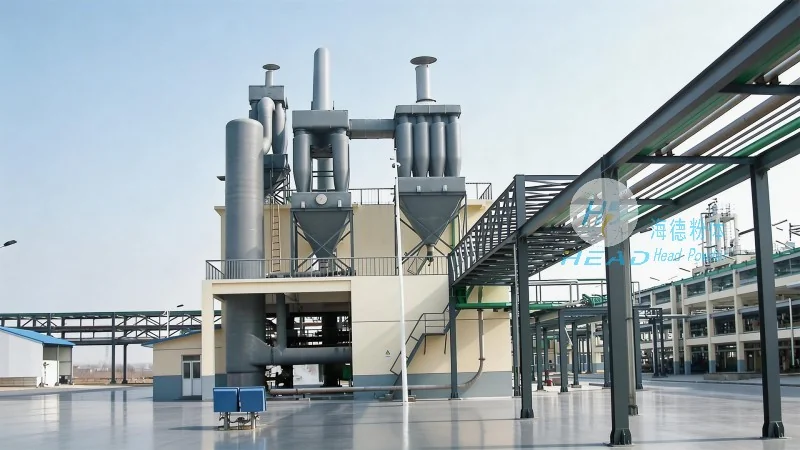
In some cases, manual or semi-mechanical loading techniques are employed for corn cobs transport. This may involve the use of forklifts or loaders to move corn cobs from storage areas to conveyor systems or trucks. These methods are often used in smaller operations or for short-distance transport where the volume of corn cobs is relatively low. Manual handling, while less common due to the physical nature of corn cobs, may still be used in certain situations, such as when transporting small quantities to a processing area.
Considerations for Choosing the Right Transport Method
When selecting a transport method for corn cobs, several factors should be considered to ensure optimal performance and efficiency. These factors include the volume of corn cobs to be transported, the distance over which they need to be moved, the available space in the facility, and the specific characteristics of the corn cobs themselves (such as moisture content or size variations). Additionally, the cost of equipment, maintenance requirements, and the need for dust control or environmental protection should also be taken into account. By carefully evaluating these factors, businesses can choose the most appropriate transport method that meets their operational requirements while minimizing costs and maximizing productivity.

 Shandong Headpowder Engineering Co., Ltd.
 156-6277-7102(Quản lý Trương)
  0531-83386006
  Thành phố Tế Nam, Tỉnh Sơn Đông, Trung Quốc
Điện thoại
WeChatTư vấn
Lên đầu