Với hơn 10 năm kinh nghiệm về vận chuyển khí nén, Headpowder Sơn Đông cung cấp hệ thống, thiết bị và quạt gió toàn chuỗi, đảm nhận các dự án kỹ thuật bột trọn gói trên toàn quốc.
When it comes to handling gypsum sand in industrial applications, selecting the right conveying method is crucial for efficiency, safety, and cost-effectiveness. Gypsum sand, a material widely used in construction, agriculture, and other sectors, requires specialized equipment and techniques to ensure smooth transport from one location to another. This article explores the primary methods used for gypsum sand conveyance, highlighting the factors that influence the choice of each approach.
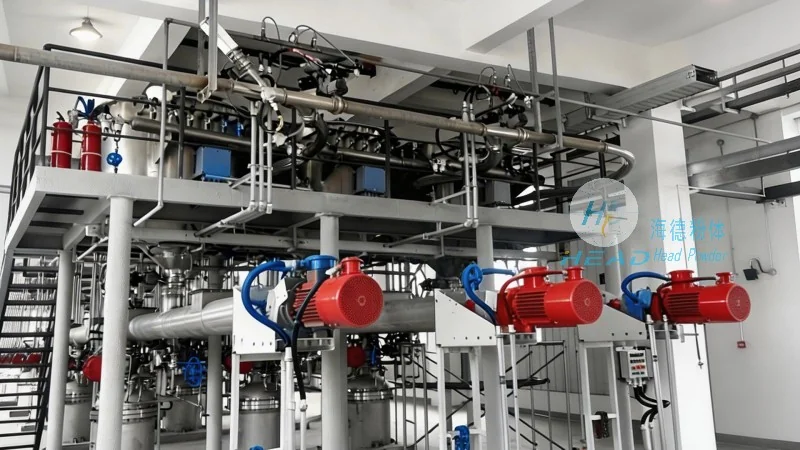
Screw Conveyors: A Reliable Option for Gypsum Sand Transport
Screw conveyors, also known as auger conveyors, are a popular choice for gypsum sand transport due to their simplicity and effectiveness. These systems consist of a rotating helical screw inside a trough, which moves material forward through the conveyor. The design allows for vertical and horizontal transport, making them versatile for various applications. For gypsum sand, which can be abrasive, the material of construction is critical. Stainless steel or high-grade steel troughs and screws are often used to prevent wear and ensure durability. The screw conveyor's ability to handle bulk materials with minimal maintenance makes it an attractive option for many industries. Shandong HeadPowder Engineering Co., Ltd., a leading manufacturer based in China, offers screw conveyors tailored to the specific needs of gypsum sand handling, ensuring reliable performance in demanding environments.
Pneumatic Conveying Systems: Efficient Air-Based Transport
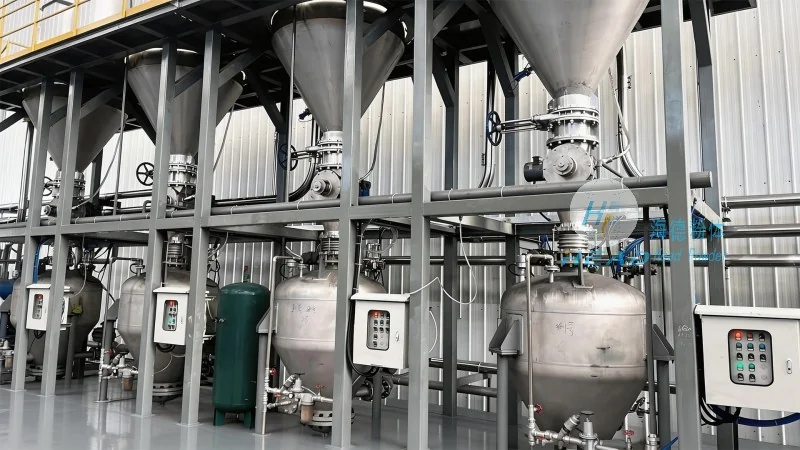
Pneumatic conveying systems use air pressure to move gypsum sand through a pipeline. This method is particularly effective for transporting materials over longer distances or in areas where traditional conveyors may not be feasible. There are two main types of pneumatic conveying: pressure and vacuum systems. Pressure systems force air and material through the line, while vacuum systems draw material into the pipeline using a vacuum source. The choice between these systems depends on the distance, material characteristics, and desired flow rate. Pneumatic conveying is known for its ability to handle fine powders and prevent product contamination, which is important for gypsum sand used in construction or agricultural applications. Shandong HeadPowder Engineering Co., Ltd. specializes in designing and manufacturing pneumatic conveying systems that can handle the unique properties of gypsum sand, ensuring consistent and efficient transport.
Belt Conveyors: High-Capacity Solutions for Bulk Gypsum Sand
Belt conveyors are another common method for gypsum sand conveyance, especially in large-scale operations where high throughput is required. These systems use a continuous belt that moves over rollers or idlers, transporting the material from one point to another. The design allows for both horizontal and inclined transport, making them suitable for various industrial settings. The belt material and tensioning system are critical factors in ensuring the conveyor operates smoothly and efficiently. For gypsum sand, which can be abrasive, the belt is often made of durable materials like rubber or special composite fabrics to prevent wear and extend service life. Belt conveyors are particularly effective when transporting large quantities of gypsum sand over long distances, as they can maintain consistent speeds and flow rates. Shandong HeadPowder Engineering Co., Ltd. provides customized belt conveyor solutions that meet the specific demands of gypsum sand handling, ensuring reliable and high-capacity transport.
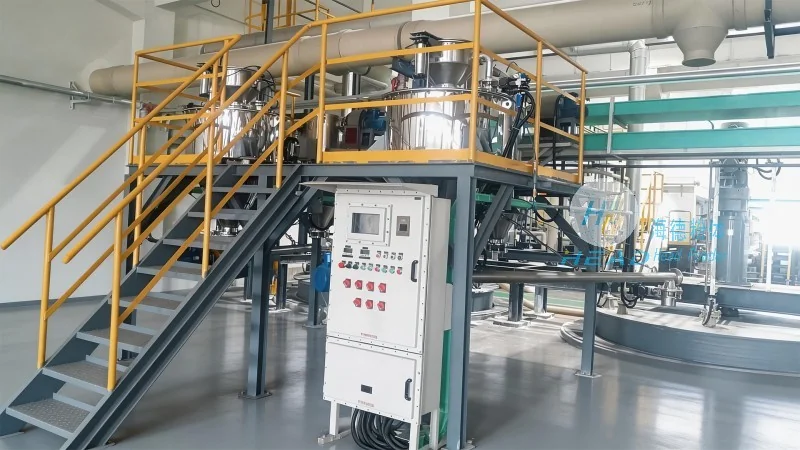
Bucket Elevators: Vertical Transport of Gypsum Sand
For applications requiring vertical transport of gypsum sand, bucket elevators are an excellent choice. These systems use a series of buckets attached to a chain or belt that moves vertically, lifting the material from a lower to a higher level. The design is ideal for situations where space is limited or where the material needs to be elevated to a significant height. Bucket elevators are capable of handling abrasive materials like gypsum sand without significant wear, as the buckets are typically made of durable materials such as steel or rubber. The system is also relatively simple to maintain, with minimal moving parts compared to other vertical transport methods. Shandong HeadPowder Engineering Co., Ltd. offers bucket elevators specifically designed for gypsum sand, ensuring efficient vertical transport while minimizing downtime and maintenance costs.
Factors Influencing the Choice of Gypsum Sand Conveying Method
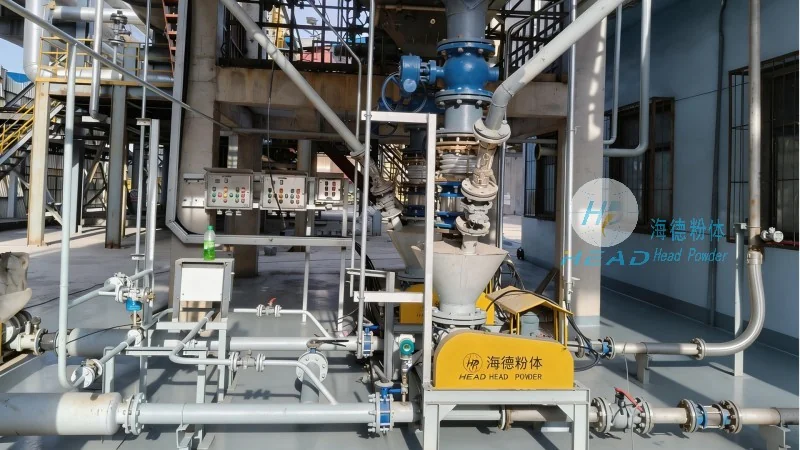
The selection of the most appropriate gypsum sand conveying method depends on several key factors, including the material's characteristics, the distance to be covered, the required throughput, and the available space. Material characteristics such as particle size, moisture content, and abrasiveness play a significant role in determining the best equipment. For example, fine gypsum sand may require a pneumatic system to prevent clogging, while larger, bulkier particles might be better suited for belt or screw conveyors. The distance between the source and destination is another critical factor; shorter distances may allow for simpler systems like screw conveyors, while longer distances may necessitate pneumatic or belt systems. Throughput requirements also influence the choice, as high-volume operations may require multiple conveyors or larger-capacity systems. Finally, the available space and layout of the facility can impact the selection, as vertical transport solutions like bucket elevators may be preferred in confined areas.
Conclusion: Choosing the Right Gypsum Sand Conveying Solution
In conclusion, the choice of gypsum sand conveying method is a critical decision that impacts the efficiency and success of industrial operations. Each method—screw conveyors, pneumatic systems, belt conveyors, and bucket elevators—offers unique advantages and is suitable for different applications. By considering factors such as material characteristics, distance, throughput, and space constraints, industries can select the most appropriate conveying solution. Shandong HeadPowder Engineering Co., Ltd., with its expertise in gypsum sand handling, provides tailored solutions that meet the specific needs of each client, ensuring reliable and efficient transport of gypsum sand. Whether for construction, agriculture, or other sectors, the right conveying method can enhance productivity, reduce costs, and improve overall operational performance.

 Shandong Headpowder Engineering Co., Ltd.
 156-6277-7102(Quản lý Trương)
  0531-83386006
  Thành phố Tế Nam, Tỉnh Sơn Đông, Trung Quốc
Điện thoại
WeChatTư vấn
Lên đầu