Với hơn 10 năm kinh nghiệm về vận chuyển khí nén, Headpowder Sơn Đông cung cấp hệ thống, thiết bị và quạt gió toàn chuỗi, đảm nhận các dự án kỹ thuật bột trọn gói trên toàn quốc.
For the efficient and reliable transportation of cement raw materials, various methods have been developed to meet the diverse needs of industrial operations. Understanding these methods is crucial for optimizing production processes and ensuring the quality of the final cement product. This article explores the primary approaches used in cement raw material conveying, highlighting their applications and benefits.
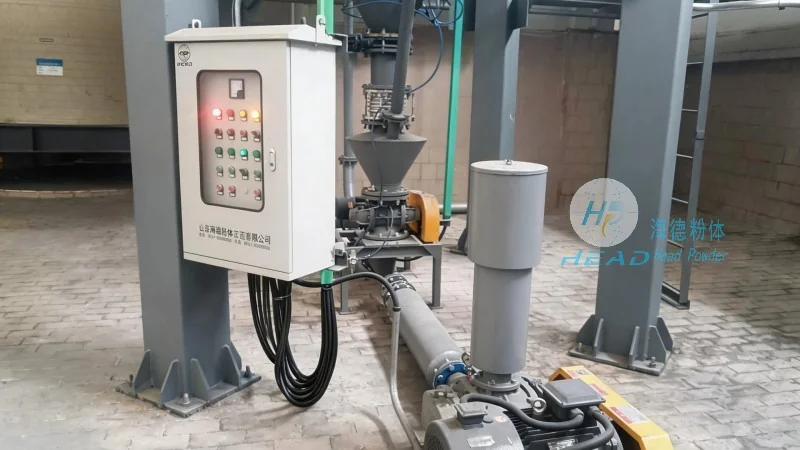
Introduction to Cement Raw Material Conveying
Cement raw materials, such as limestone, clay, and iron ore, are essential components in the production of cement. These materials must be transported from storage sites to processing units with minimal loss, contamination, and energy consumption. The choice of conveying method depends on factors like material properties, distance, volume, and the specific requirements of the cement plant. Below are some of the most widely used methods for cement raw material conveying.
1. Belt Conveyor Systems
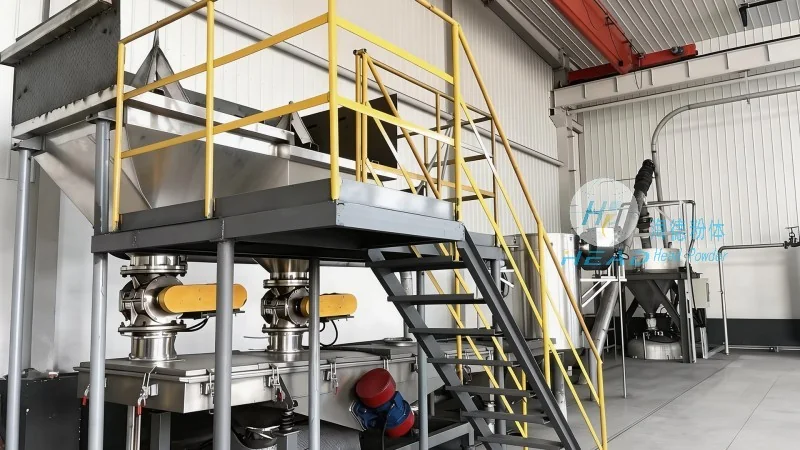
Belt conveyors are among the most common and versatile methods for transporting bulk materials, including cement raw materials. These systems consist of a continuous belt that moves over rollers or pulleys, carrying the material from the source to the destination. Belt conveyors are particularly effective for long-distance and high-volume transport, as they can handle large quantities of material with low maintenance costs. The smooth operation of belt conveyors ensures minimal material degradation, making them suitable for delicate raw materials like limestone and clay. Additionally, belt conveyors can be customized with different belt types, such as rubber or PVC, to accommodate various material characteristics and environmental conditions.
2. Bucket Elevators (Vertical Conveyors)
For vertical or inclined transport of cement raw materials, bucket elevators are an excellent choice. These systems use a series of buckets attached to a belt or chain that moves vertically, lifting the material from lower to higher levels. Bucket elevators are ideal for transporting materials over short to medium vertical distances, often used in preheater towers or raw material storage areas. They offer high efficiency and reliability, with minimal space requirements compared to other vertical conveying methods. The enclosed design of bucket elevators prevents dust and material spillage, maintaining a clean and safe working environment. This makes them particularly suitable for handling fine or powdery raw materials that are prone to dispersion.
3. Pneumatic Conveying Systems
Pneumatic conveying, or air-powered transport, is a method that uses air pressure to move cement raw materials through a pipeline. This technique is highly effective for transporting fine powders and granular materials over moderate distances. Pneumatic systems can be categorized into two types: positive pressure and negative pressure. Positive pressure systems push the material through the pipeline using compressed air, while negative pressure systems draw the material using vacuum. Pneumatic conveying offers advantages such as low noise levels, minimal maintenance, and the ability to transport materials through complex layouts. However, it may require higher energy input compared to mechanical systems and can be less efficient for very long distances.
4. Screw Conveyors
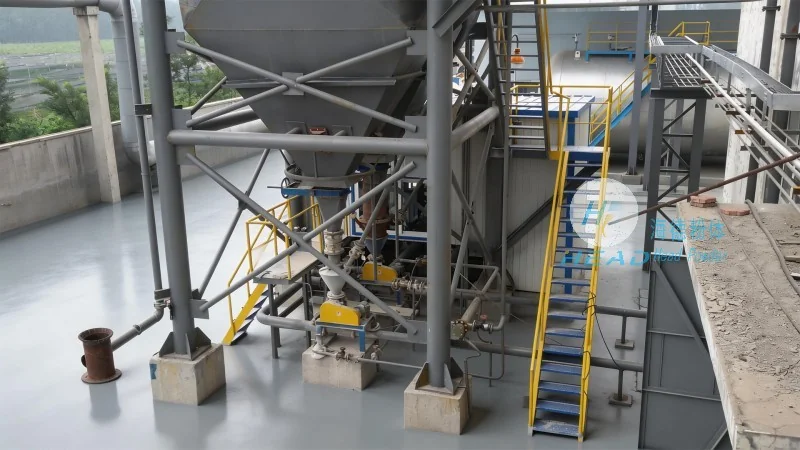
Screw conveyors, also known as auger conveyors, are used for horizontal or slightly inclined transport of bulk materials. These systems consist of a rotating screw inside a trough, which moves the material forward. Screw conveyors are suitable for transporting materials with moderate to high bulk density and are commonly used in raw material storage and feeding systems. They are relatively simple in design, easy to install, and can be integrated with other processing equipment. However, screw conveyors may not be as efficient for very fine or abrasive materials, as the screw and trough can experience wear over time. Regular maintenance and material selection are essential to ensure optimal performance.
5. Chain and Flight Conveyors
Chain and flight conveyors are another type of mechanical conveying system that uses a chain with attached flights to transport materials. These systems are often used for vertical or inclined transport of heavy or bulky raw materials, such as limestone or clay. The flights on the chain lift the material and move it along the conveyor path, ensuring consistent and reliable transport. Chain and flight conveyors are particularly effective for handling materials with high moisture content or those that tend to stick together. They offer high load capacity and can be designed to handle a wide range of material sizes. However, these systems require more maintenance than belt conveyors due to the moving parts and may have higher initial costs.
Choosing the Right Conveying Method for Cement Raw Materials
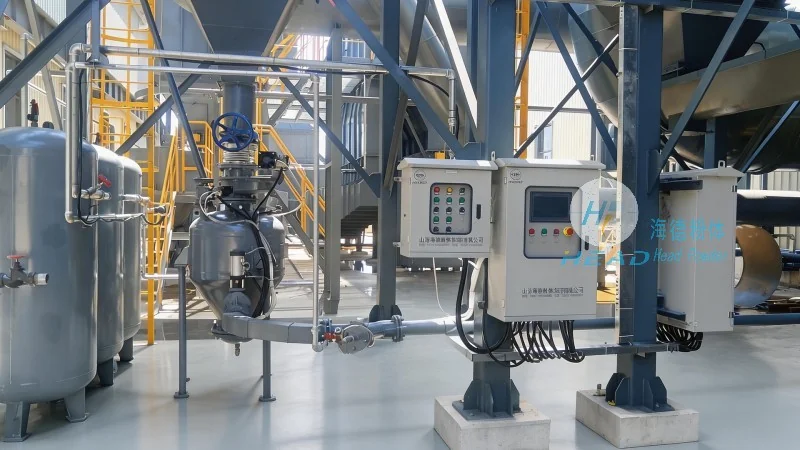
The selection of a cement raw material conveying method depends on several factors, including the nature of the raw material, the distance and elevation changes, the required capacity, and the overall cost. For example, belt conveyors are often preferred for long horizontal distances, while bucket elevators are ideal for vertical transport. Pneumatic systems may be chosen for fine powders, and screw conveyors for moderate bulk materials. It is essential to consider the specific characteristics of the raw materials, such as particle size, moisture content, and abrasiveness, to ensure the chosen method minimizes material degradation and maximizes efficiency.
Conclusion
Cement raw material conveying is a critical aspect of cement production, and the choice of method significantly impacts the efficiency and quality of the final product. By understanding the various options available, such as belt conveyors, bucket elevators, pneumatic systems, screw conveyors, and chain and flight conveyors, cement manufacturers can optimize their operations and meet the demands of modern industrial production. The expertise of companies like Shandong HeadPowder Engineering Co., Ltd. plays a vital role in designing and implementing these conveying systems, ensuring that cement raw materials are transported safely, efficiently, and reliably.

 Shandong Headpowder Engineering Co., Ltd.
 156-6277-7102(Quản lý Trương)
  0531-83386006
  Thành phố Tế Nam, Tỉnh Sơn Đông, Trung Quốc
Điện thoại
WeChatTư vấn
Lên đầu