Với hơn 10 năm kinh nghiệm về vận chuyển khí nén, Headpowder Sơn Đông cung cấp hệ thống, thiết bị và quạt gió toàn chuỗi, đảm nhận các dự án kỹ thuật bột trọn gói trên toàn quốc.
When it comes to transporting polyvinyl chloride (PVC), selecting the right method is crucial for ensuring efficiency, safety, and cost-effectiveness. As a leading provider in the industry, Shandong HeadPowder Engineering Co., Ltd. offers expertise in various PVC transportation solutions tailored to different operational needs. This article explores the primary methods used for PVC transportation, highlighting the key considerations and applications for each approach.
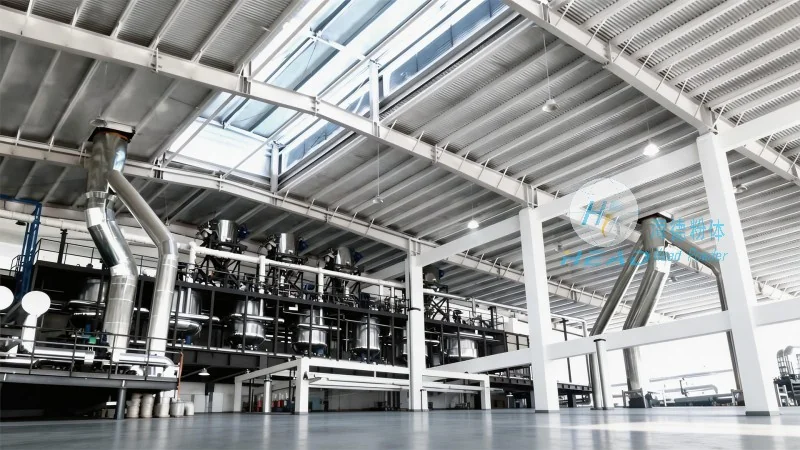
1. Pipeline Transportation: A Reliable and Efficient Option
Pipeline transportation is a widely adopted method for moving PVC, especially in industrial settings where large volumes are involved. This method involves the use of specialized pipelines designed to handle the unique properties of PVC, such as its viscosity and chemical resistance. The process typically begins with the PVC being pumped from storage tanks or production facilities into the pipeline system. HeadPowder's engineering solutions often include custom-designed pipelines that ensure minimal pressure loss and optimal flow rates, reducing energy consumption and operational costs. Additionally, these pipelines are constructed from materials that are compatible with PVC, preventing degradation or contamination during transit. For industries requiring continuous and uninterrupted supply, pipeline transportation offers a seamless solution, minimizing the need for manual handling and associated risks.
2. Pumping Systems: Ensuring Smooth and Controlled Flow
For applications where PVC needs to be moved over longer distances or through complex systems, pumping systems play a vital role. These systems utilize various types of pumps, including centrifugal, positive displacement, and diaphragm pumps, each suited to different PVC characteristics and flow requirements. HeadPowder specializes in integrating advanced pumping technologies that maintain consistent pressure and flow rates, ensuring that PVC reaches its destination without degradation. The choice of pump depends on factors like the PVC's viscosity, temperature, and the system's pressure requirements. For instance, in applications involving high-viscosity PVC, positive displacement pumps are preferred as they provide a steady flow, preventing clogging and ensuring efficient transport. Moreover, these pumping systems are equipped with monitoring and control mechanisms that allow operators to adjust parameters in real-time, enhancing operational flexibility and safety. By leveraging HeadPowder's expertise in pump selection and system design, businesses can optimize their PVC transportation processes, reducing downtime and improving overall productivity.
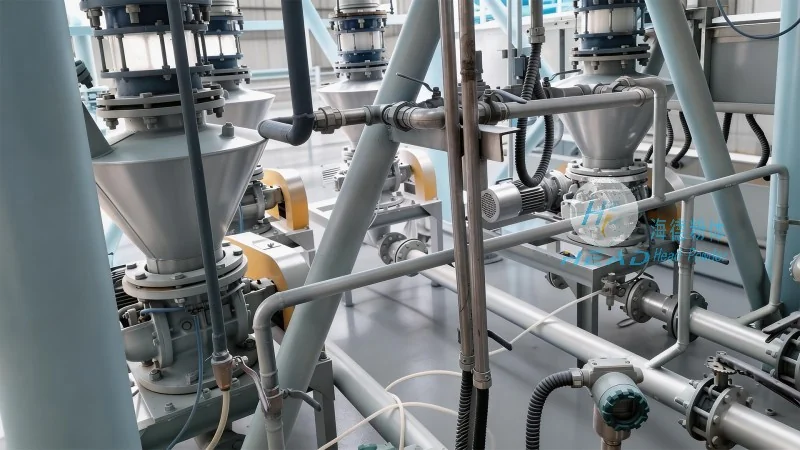
3. Tanker Trucks and Vessels: Transporting Bulk Quantities
When bulk quantities of PVC need to be transported over longer distances, tanker trucks and specialized vessels are commonly used. These vehicles are designed to safely carry large volumes of PVC, often in insulated or temperature-controlled environments to maintain the material's properties. HeadPowder's logistics solutions include partnerships with reputable carriers that utilize modern tanker trucks equipped with advanced safety features, such as pressure relief valves and leak detection systems. The transportation process involves loading PVC into the tankers at the production facility, followed by careful monitoring during transit to prevent temperature fluctuations or pressure changes that could affect the material's quality. For marine transport, specialized vessels are employed, ensuring that PVC is handled in compliance with international maritime regulations. This method is particularly suitable for industries with widespread distribution networks, as it allows for the efficient movement of PVC from manufacturing sites to various end-users. By partnering with HeadPowder, businesses can access reliable tanker and vessel services that prioritize safety and compliance, ensuring that PVC reaches its destination in optimal condition.
4. Manual Handling and Conveying Systems: Smaller-Scale Applications
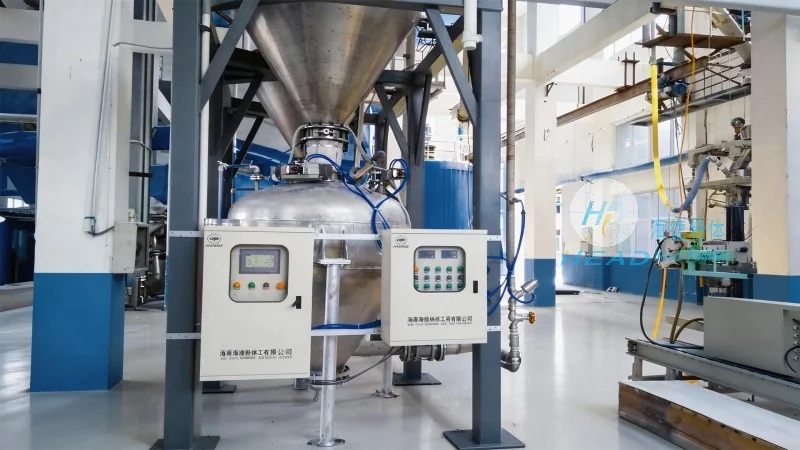
For smaller-scale operations or situations where automated systems are not feasible, manual handling and conveying systems are employed. These methods include the use of conveyor belts, buckets, or manual pumps to transport PVC in smaller batches. HeadPowder offers customized solutions for these applications, such as portable conveyor systems that can be easily moved between different work areas. Manual handling is often used in research and development settings or for small-scale production runs, where the volume of PVC is relatively low. However, it is important to note that manual handling requires careful training and adherence to safety protocols to prevent accidents and ensure proper material handling. Conveying systems, such as screw conveyors or belt conveyors, are also utilized for transporting PVC in powder or granule form, ensuring that the material is moved efficiently without degradation. These systems are designed to handle the specific characteristics of PVC, such as its tendency to stick or clump, by incorporating features like anti-static coatings or adjustable speeds. By providing tailored manual handling and conveying solutions, HeadPowder helps businesses optimize their smaller-scale PVC transportation processes, balancing efficiency with safety.
5. Specialized Equipment: Adapting to Unique Requirements
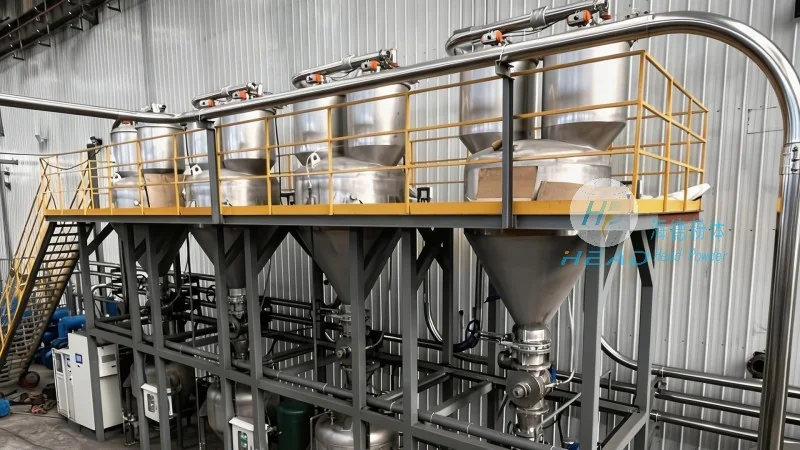
In some cases, specialized equipment may be required to transport PVC, especially when dealing with unique formulations or challenging environments. HeadPowder's engineering team is experienced in designing and implementing custom solutions for such scenarios. For example, in applications involving PVC with high solid content or specific additives, specialized mixers and transport systems may be used to maintain the material's consistency during transit. Additionally, for outdoor or harsh environmental conditions, equipment with enhanced durability and weather resistance is employed. These specialized solutions may include insulated tanks, temperature-controlled transport units, or specialized pumps that can operate in challenging conditions. By leveraging HeadPowder's expertise in custom equipment design, businesses can address unique transportation challenges, ensuring that PVC is moved safely and efficiently regardless of the operational environment. This approach allows for greater flexibility and adaptability in PVC transportation, catering to the diverse needs of different industries.
6. Conclusion: Choosing the Right PVC Transportation Method
Ultimately, the choice of PVC transportation method depends on several factors, including the volume of PVC to be transported, the distance involved, the specific properties of the PVC formulation, and the operational requirements of the business. Shandong HeadPowder Engineering Co., Ltd. provides comprehensive solutions that address these factors, ensuring that businesses select the most suitable method for their needs. Whether it's pipeline transportation, pumping systems, tanker trucks, manual handling, or specialized equipment, HeadPowder's expertise and customized approach help optimize PVC transportation processes, enhancing efficiency, safety, and cost-effectiveness. By partnering with HeadPowder, businesses can navigate the complexities of PVC transportation and achieve their operational goals with confidence.

 Shandong Headpowder Engineering Co., Ltd.
 156-6277-7102(Quản lý Trương)
  0531-83386006
  Thành phố Tế Nam, Tỉnh Sơn Đông, Trung Quốc
Điện thoại
WeChatTư vấn
Lên đầu