Với hơn 10 năm kinh nghiệm về vận chuyển khí nén, Headpowder Sơn Đông cung cấp hệ thống, thiết bị và quạt gió toàn chuỗi, đảm nhận các dự án kỹ thuật bột trọn gói trên toàn quốc.
Quartz sand, a widely used industrial material, often requires efficient and reliable conveying methods to move it from one location to another within processing facilities or during transportation. The choice of conveying method for quartz sand particles depends on various factors, including the particle size, bulk density, moisture content, and the distance to be covered. In this article, we will explore several common methods used for quartz sand particle conveying, highlighting their applications and advantages.
1. Belt Conveyor Systems
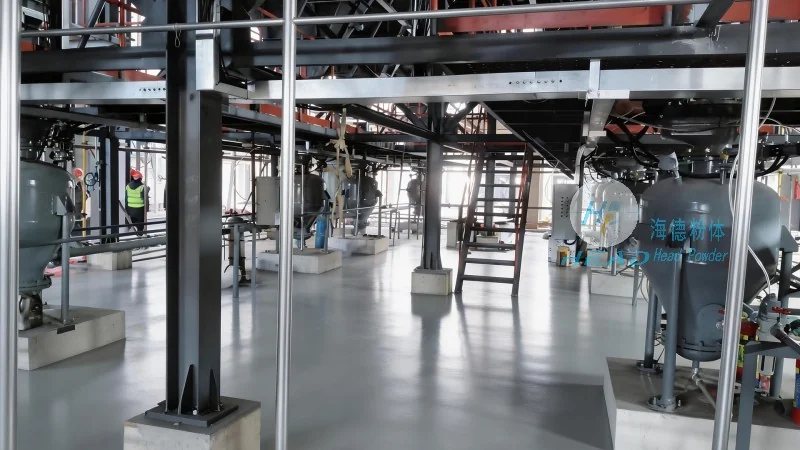
Belt conveyors are one of the most common and versatile methods for transporting quartz sand particles. These systems consist of a continuous loop of belt, typically made from rubber or synthetic materials, that moves over rollers or pulleys. The belt is supported by idlers and driven by a motor, allowing it to transport the sand horizontally or at a slight incline. Belt conveyors are particularly effective for moving large quantities of quartz sand over moderate distances, such as in mining operations, processing plants, or storage facilities. They can handle a wide range of particle sizes, from fine powders to larger granules, and are capable of handling abrasive materials like quartz sand without significant wear. The key advantages of belt conveyors include high capacity, low maintenance costs, and the ability to operate continuously for extended periods. However, they may require more space and may not be suitable for vertical or steep incline applications without specialized designs.
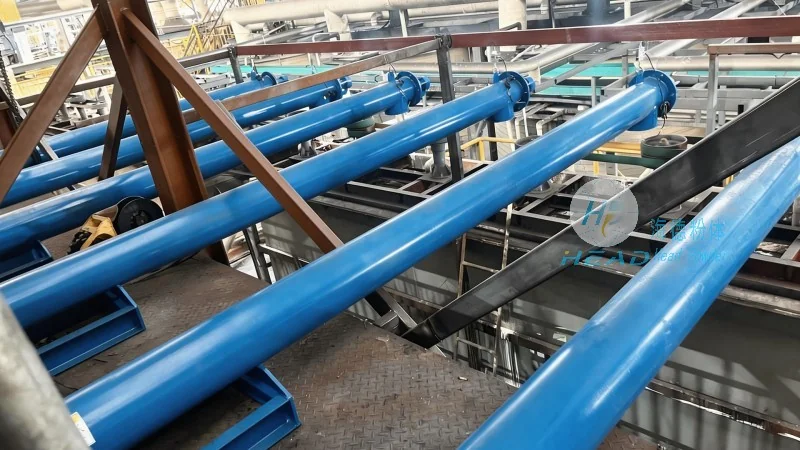
2. Pneumatic Conveying Systems
Pneumatic conveying, also known as air conveying, is another effective method for transporting quartz sand particles, especially when the material needs to be moved over longer distances or through vertical lifts. This method uses compressed air or gas to transport the sand in a pipeline system. The sand is typically mixed with air in a hopper or feeder, and the mixture is then drawn through the pipeline by a vacuum or pressure system. Pneumatic conveyors are particularly useful for handling fine or dusty quartz sand, as they can minimize dust dispersion compared to other methods. They are also suitable for applications where the sand needs to be transported through existing structures or into enclosed spaces. The main types of pneumatic conveying systems include pressure systems (where air is blown into the pipeline) and vacuum systems (where air is sucked out). Pressure systems are generally more efficient for short to medium distances, while vacuum systems are better for longer distances or when the sand needs to be transported from multiple sources to a single destination. Pneumatic conveying offers advantages such as low noise levels, the ability to transport materials in a closed system to prevent contamination, and the flexibility to route the pipeline around obstacles. However, it may require higher energy consumption compared to other methods, and the system needs to be designed carefully to prevent material buildup or blockages in the pipeline.
3. Screw Conveyors
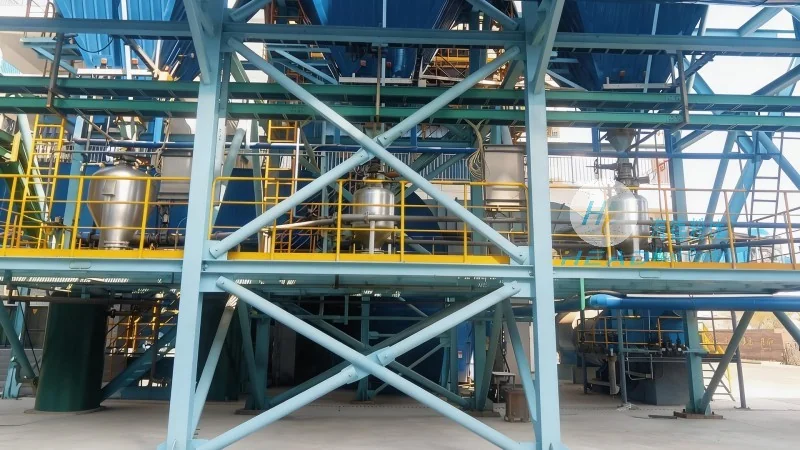
Screw conveyors, also known as auger conveyors, are another popular method for conveying quartz sand particles, especially in applications where the material needs to be moved in a confined space or at a slight incline. These systems consist of a rotating screw (auger) that is enclosed in a tube or trough. The screw rotates, pushing the sand forward along the length of the conveyor. Screw conveyors are particularly effective for handling dry, free-flowing quartz sand and can be used for both horizontal and inclined transport. They are commonly used in processing plants, such as those involved in quartz sand washing or drying, where the sand needs to be moved between different stages of the process. The main advantages of screw conveyors include their compact design, which allows them to fit into tight spaces, and their ability to handle a wide range of particle sizes without the need for additional equipment like hoppers or feeders. Screw conveyors are also relatively simple to install and maintain, making them a cost-effective solution for many applications. However, they may not be suitable for very abrasive materials or for high-capacity applications, as the screw and trough can wear out more quickly than other systems. Additionally, they may not be as efficient for vertical transport compared to other methods.
4. Bucket Elevators
Bucket elevators are a specialized type of conveyor system designed for vertical or steep incline transport of quartz sand particles. These systems consist of a vertical or inclined conveyor with a series of buckets attached to a chain or belt. The buckets are filled with sand at the bottom of the elevator and then lifted upward as the conveyor rotates. At the top, the buckets empty the sand into a discharge hopper. Bucket elevators are particularly useful for moving large quantities of quartz sand vertically, such as in mining operations or processing plants where the sand needs to be lifted from a lower level to a higher one. They are also effective for transporting sand over long vertical distances, as the system can handle high capacities and maintain a consistent flow rate. The main advantages of bucket elevators include their high efficiency for vertical transport, the ability to handle abrasive materials without significant wear, and the compact design that allows them to fit into confined spaces. However, they may require more maintenance than other systems, as the buckets and chains can wear out over time. Additionally, they may not be suitable for very fine or dusty sand, as the material can easily fall through the buckets or cause blockages in the system.
5. Vibrating Conveyors
Vibrating conveyors are another method for transporting quartz sand particles, especially when the material needs to be moved over long distances or through uneven terrain. These systems consist of a conveyor bed that is vibrated by an electric motor or other power source. The vibration causes the sand to move forward along the length of the conveyor. Vibrating conveyors are particularly effective for handling bulk materials like quartz sand, as they can move the material without the need for additional equipment like hoppers or feeders. They are also suitable for applications where the sand needs to be transported over a slight incline or in a confined space. The main advantages of vibrating conveyors include their ability to handle a wide range of particle sizes and bulk densities, the low maintenance costs, and the flexibility to adjust the vibration frequency to optimize the conveying speed. However, they may not be as efficient for high-capacity applications, as the vibration can cause the material to become compacted or stuck in the conveyor bed. Additionally, they may not be suitable for very abrasive materials, as the vibrating components can wear out more quickly than other systems.
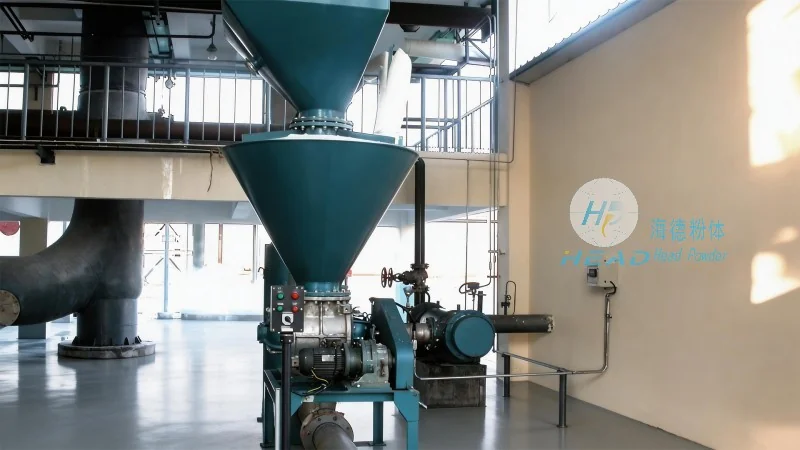
6. Hydraulic Conveyors
Hydraulic conveyors are a less common but effective method for transporting quartz sand particles, especially in applications where the material needs to be moved through a closed system or where the sand is mixed with water. These systems use hydraulic pressure to move the sand through a pipeline. The sand is typically mixed with water to form a slurry, which is then pumped through the pipeline using a hydraulic pump. Hydraulic conveyors are particularly useful for moving fine or dusty quartz sand, as the water helps to keep the material suspended and prevents dust dispersion. They are also suitable for applications where the sand needs to be transported over long distances or through vertical lifts. The main advantages of hydraulic conveyors include their ability to transport materials in a closed system to prevent contamination, the high capacity for moving large quantities of sand, and the flexibility to adjust the flow rate by changing the hydraulic pressure. However, they may require more energy consumption compared to other methods, and the system needs to be designed carefully to prevent clogging or blockages in the pipeline. Additionally, they may not be suitable for very abrasive materials, as the hydraulic components can wear out more quickly than other systems.

 Shandong Headpowder Engineering Co., Ltd.
 156-6277-7102(Quản lý Trương)
  0531-83386006
  Thành phố Tế Nam, Tỉnh Sơn Đông, Trung Quốc
Điện thoại
WeChatTư vấn
Lên đầu