Với hơn 10 năm kinh nghiệm về vận chuyển khí nén, Headpowder Sơn Đông cung cấp hệ thống, thiết bị và quạt gió toàn chuỗi, đảm nhận các dự án kỹ thuật bột trọn gói trên toàn quốc.
When it comes to transporting ferrous sulfate, there are several effective methods available that ensure the material is moved efficiently and safely. This article will explore the common approaches used in industrial settings, focusing on the practical aspects of each method and how they can be applied in real-world scenarios. Understanding these options is crucial for businesses involved in the handling and distribution of ferrous sulfate, as the choice of transportation method can impact operational efficiency, cost, and product integrity.
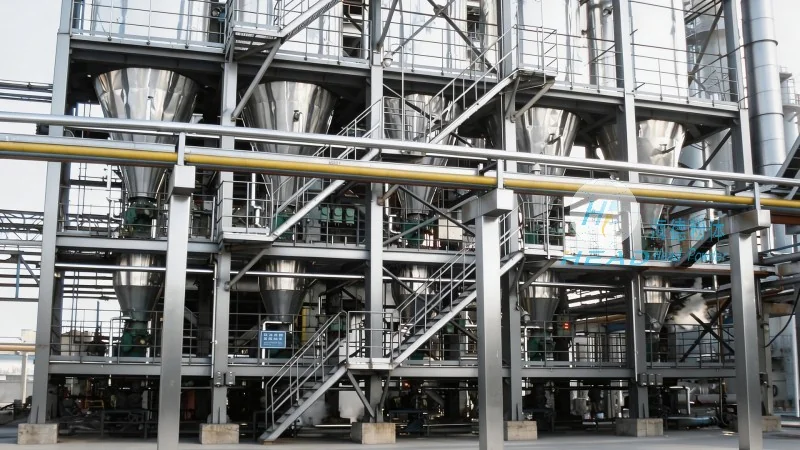
About Shandong HeadPowder Engineering Co., Ltd.
Shandong HeadPowder Engineering Co., Ltd., commonly known as HeadPowder, is a leading provider of solutions for chemical transportation and processing. With a strong presence in China, particularly in Shandong province, the company specializes in developing and implementing systems that meet the diverse needs of industrial clients. HeadPowder's expertise lies in optimizing material handling processes, ensuring that products like ferrous sulfate are transported with precision and reliability. The company's commitment to quality and customer satisfaction has established it as a trusted partner in the chemical industry.
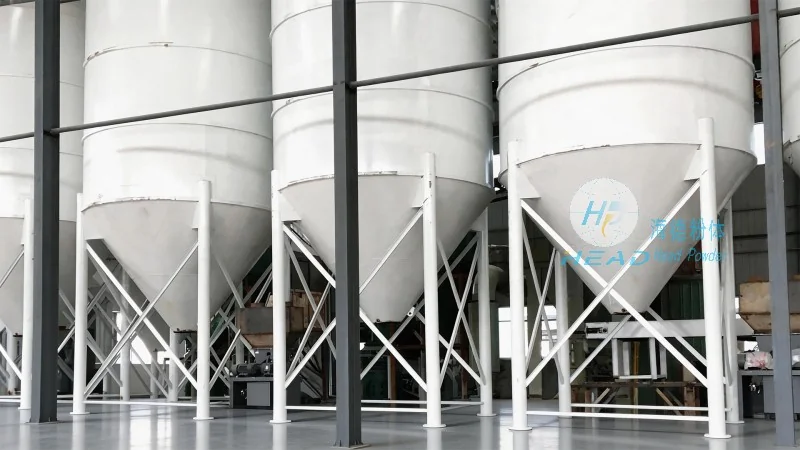
Common Methods for Ferrous Sulfate Transportation
There are multiple methods employed for the transportation of ferrous sulfate, each with its own advantages and suitability for different applications. The primary methods include pipeline transportation, pump-assisted transfer, and bulk packaging for road or rail transport. Each method is discussed below to provide a comprehensive overview of the options available.
Pipeline Transportation
Pipeline transportation is a widely used method for moving ferrous sulfate, especially in large-scale industrial operations. This approach involves the use of closed pipelines to transport the material from the production facility to storage or processing sites. The system typically includes pumps, valves, and monitoring equipment to control the flow and pressure of the liquid ferrous sulfate. One of the key advantages of pipeline transportation is its ability to maintain a continuous flow, reducing the risk of material exposure to air and minimizing the potential for contamination. Additionally, it can be integrated with existing industrial infrastructure, making it a cost-effective solution for facilities with established pipeline networks. The process involves pumping the ferrous sulfate solution through the pipeline at controlled speeds, ensuring that the material remains in a liquid state and is delivered to its destination without interruption.
Pump-Assisted Transfer
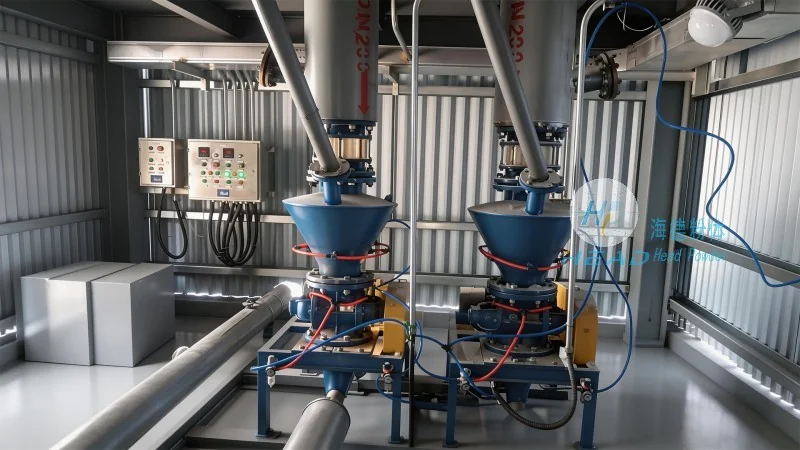
For applications where pipeline infrastructure is not available or practical, pump-assisted transfer is an alternative method. This approach involves using pumps to move the ferrous sulfate from its source to a storage tank or directly to a processing unit. The most common types of pumps used for this purpose include centrifugal pumps and positive displacement pumps. Centrifugal pumps are suitable for handling large volumes of liquid ferrous sulfate at moderate pressures, while positive displacement pumps are ideal for transferring smaller quantities or more viscous solutions. The pump system is typically equipped with filtration and temperature control mechanisms to maintain the quality of the ferrous sulfate during transfer. This method allows for flexibility in the layout of the facility, as the pumps can be placed at various locations to accommodate different operational needs. The efficiency of pump-assisted transfer depends on the type of pump selected, the viscosity of the ferrous sulfate, and the distance over which the material is being moved.
Bulk Packaging and Transportation
In many cases, ferrous sulfate is transported in bulk packaging, such as tank trucks or railcars, for distribution to end-users. This method is particularly useful for smaller-scale operations or when the material needs to be delivered to locations without on-site processing facilities. The bulk packaging process involves loading the ferrous sulfate into containers under controlled conditions to prevent degradation or contamination. Tank trucks are commonly used for road transportation, while railcars are preferred for longer distances or when large quantities need to be moved. The containers are designed to maintain the integrity of the ferrous sulfate, with features like airtight seals and temperature control systems to ensure the material remains stable during transit. The transportation of bulk ferrous sulfate requires careful planning to ensure compliance with safety regulations and to minimize the risk of spills or leaks. This method offers flexibility in terms of delivery options and can be integrated with existing logistics networks, making it a viable choice for businesses that need to distribute ferrous sulfate to multiple locations.

 Shandong Headpowder Engineering Co., Ltd.
 156-6277-7102(Quản lý Trương)
  0531-83386006
  Thành phố Tế Nam, Tỉnh Sơn Đông, Trung Quốc
Điện thoại
WeChatTư vấn
Lên đầu