Với hơn 10 năm kinh nghiệm về vận chuyển khí nén, Headpowder Sơn Đông cung cấp hệ thống, thiết bị và quạt gió toàn chuỗi, đảm nhận các dự án kỹ thuật bột trọn gói trên toàn quốc.
When it comes to handling rapeseed, efficient and reliable conveying systems are essential for ensuring smooth operations in processing facilities. The choice of conveying method can significantly impact productivity, cost-effectiveness, and the overall quality of the final product. For businesses operating in the rapeseed industry, understanding the various options available is crucial for making informed decisions that align with their operational needs.
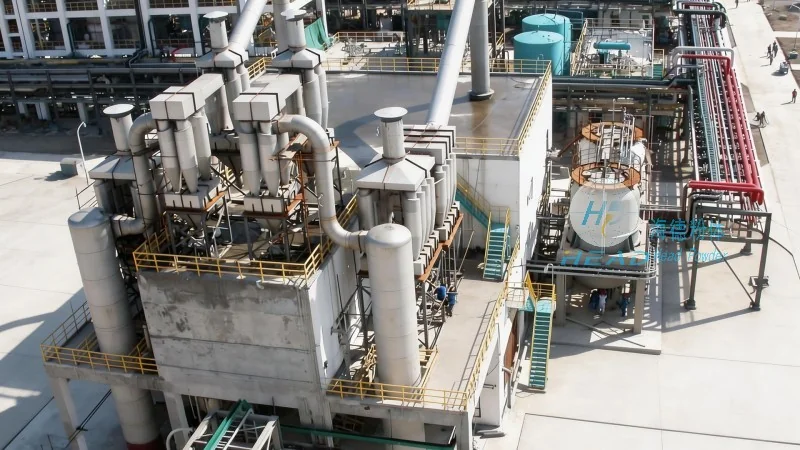
Gravity Conveying Systems
Gravity conveying systems utilize the natural force of gravity to move rapeseed from one point to another. These systems are often employed in situations where the layout of the facility allows for a slight incline or where the distance between the source and destination is relatively short. One common type of gravity conveyor is the inclined belt conveyor, which uses a belt to transport rapeseed down a slope. This method is particularly effective for moving bulk quantities of rapeseed with minimal energy consumption. The design of gravity conveyors typically involves a sloped surface, often made of metal or plastic, with a belt or trough to guide the material. The key advantage of gravity systems is their low operational cost, as they do not require motors or other power sources. However, their effectiveness is limited by the need for a suitable incline and the distance between the start and end points.
Mechanical Conveying Systems
For more complex or longer-distance rapeseed conveying tasks, mechanical systems are often preferred. These systems rely on mechanical components to move the material, providing greater control and adaptability. One widely used mechanical conveyor is the belt conveyor, which is a versatile solution for transporting rapeseed in various industrial settings. Belt conveyors consist of a continuous belt looped over pulleys, with the rapeseed placed on the belt as it moves. This method is suitable for both horizontal and inclined transport, making it adaptable to different facility layouts. Another common mechanical system is the screw conveyor, also known as a helical conveyor. Screw conveyors use a rotating screw to push rapeseed along a tube or trough. This type of conveyor is particularly effective for moving rapeseed in a vertical or inclined direction, and it can handle a wide range of material types with consistent performance. Mechanical conveyors are generally more powerful and can handle larger volumes of rapeseed compared to gravity systems, but they may require more maintenance and energy input.
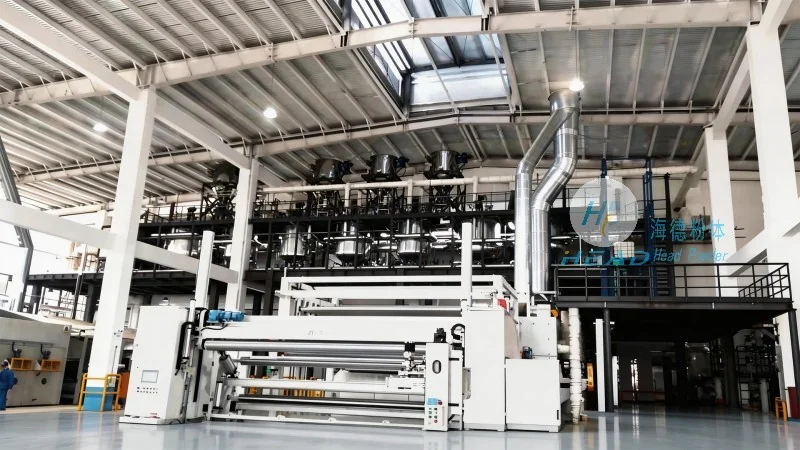
Pneumatic Conveying Systems
Pneumatic conveying systems use air or gas to transport rapeseed through a pipeline. This method is particularly useful for moving rapeseed in environments where dust control is a priority or where the material needs to be transported over long distances without the need for multiple transfer points. There are two main types of pneumatic conveyors: dilute phase and dense phase. Dilute phase systems use a high-velocity air stream to suspend the rapeseed particles and move them through the pipeline. This method is efficient for short to medium distances and is commonly used in processing plants. Dense phase systems, on the other hand, use a lower air velocity and higher material concentration, which allows for more efficient transport over longer distances and reduces the risk of material degradation. Pneumatic conveying systems offer advantages such as enclosed transport, which helps maintain the quality of the rapeseed and reduces dust exposure. However, they require specialized equipment and may have higher energy costs compared to other methods.
Hybrid Conveying Solutions
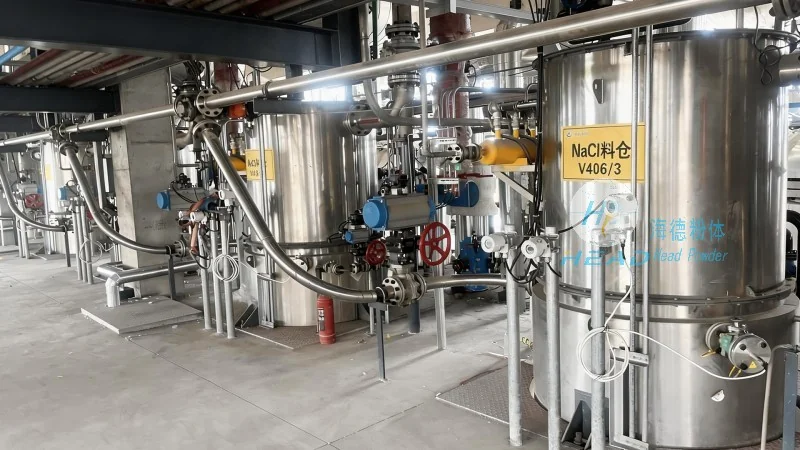
In many industrial applications, a combination of different conveying methods may be used to achieve optimal results. Hybrid systems often integrate elements of gravity, mechanical, and pneumatic conveyors to address specific operational challenges. For example, a facility might use a gravity conveyor to move rapeseed from a storage bin to a mechanical belt conveyor, which then transports it to a pneumatic system for final processing. This approach allows for flexibility and efficiency by leveraging the strengths of each individual method. Hybrid solutions are particularly beneficial in large-scale processing facilities where different stages of the production process require different types of conveying equipment. By combining various technologies, businesses can create a customized conveying system that meets their unique needs and maximizes productivity.
Factors to Consider When Choosing a Rapeseed Conveying Method
When selecting a rapeseed conveying method, several factors must be taken into account to ensure the best fit for the specific application. The first consideration is the distance and layout of the facility. For short distances and simple layouts, gravity systems may be sufficient, while longer distances or complex layouts may require mechanical or pneumatic systems. The volume of rapeseed to be transported is another critical factor. Large volumes may necessitate more powerful mechanical or pneumatic systems, whereas smaller volumes might be handled by gravity or screw conveyors. The need for dust control and material handling conditions also plays a role. Facilities that require enclosed transport or reduced dust exposure may prefer pneumatic or mechanical systems over open gravity conveyors. Additionally, the budget and maintenance requirements of the system should be evaluated. Gravity systems are generally low-cost and low-maintenance, while mechanical and pneumatic systems may have higher upfront costs and require more regular maintenance. By carefully evaluating these factors, businesses can choose the most appropriate rapeseed conveying method that balances efficiency, cost, and operational needs.
Conclusion
Efficient rapeseed conveying is a vital component of any rapeseed processing operation. The choice of conveying method depends on various factors, including the distance, volume, and specific requirements of the facility. Gravity, mechanical, and pneumatic systems each offer unique advantages and are suitable for different applications. By understanding the capabilities and limitations of each method, businesses can select the most effective solution to enhance productivity and ensure the quality of their rapeseed products. For companies seeking reliable and efficient rapeseed conveying solutions, Shandong HeadPowder Engineering Co., Ltd. provides a range of high-quality conveying systems tailored to meet the diverse needs of the industry. With a focus on innovation and customer satisfaction, HeadPowder offers customized solutions that help businesses optimize their operations and achieve their production goals.

 Shandong Headpowder Engineering Co., Ltd.
 156-6277-7102(Quản lý Trương)
  0531-83386006
  Thành phố Tế Nam, Tỉnh Sơn Đông, Trung Quốc
Điện thoại
WeChatTư vấn
Lên đầu