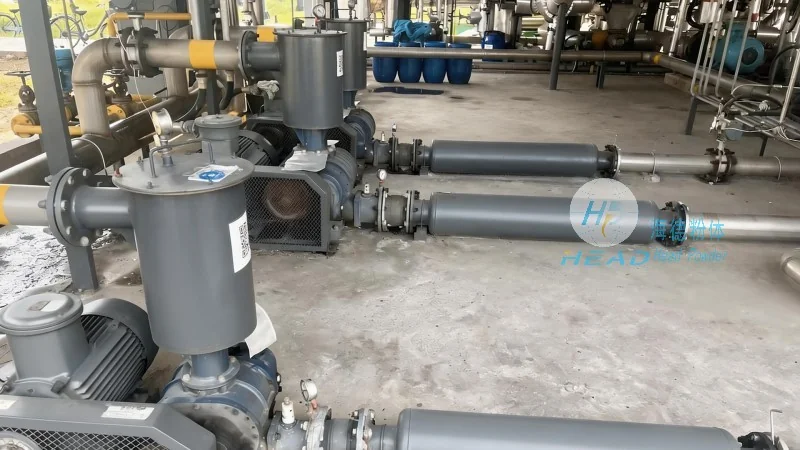
Với hơn 10 năm kinh nghiệm về vận chuyển khí nén, Headpowder Sơn Đông cung cấp hệ thống, thiết bị và quạt gió toàn chuỗi, đảm nhận các dự án kỹ thuật bột trọn gói trên toàn quốc.
Drug particle delivery is a critical aspect of pharmaceutical manufacturing, directly impacting the efficacy, stability, and patient compliance of medicinal products. The choice of delivery method for drug particles is influenced by various factors, including the drug's physicochemical properties, target site, and the desired therapeutic outcome. This article provides a comparative analysis of common drug particle delivery methods, examining their advantages and disadvantages to help pharmaceutical professionals make informed decisions.
Overview of Drug Particle Delivery Methods
Drug particles can be delivered through multiple routes, each with distinct characteristics and applications. The primary delivery methods include oral granules, inhalable powders, injectable suspensions, and topical powders. Each method serves different therapeutic needs and patient populations, and understanding their respective pros and cons is essential for optimizing drug delivery.
1. Oral Granules: Advantages and Disadvantages
Oral granules are a popular dosage form for solid oral dosage systems. They offer several advantages, such as improved palatability, easier swallowing for patients with dysphagia, and enhanced drug stability compared to traditional tablets. The granulation process also allows for better control over drug release, enabling sustained or immediate release formulations. However, oral granules may have limitations, including potential issues with dose uniformity if the granulation process is not optimized, and challenges in manufacturing for drugs with poor solubility or high potency.
2. Inhalable Powders: Advantages and Disadvantages

Inhalable powders are widely used for respiratory medications, delivering drugs directly to the lungs for rapid absorption. One of the key advantages is the high bioavailability achieved due to direct deposition in the pulmonary epithelium. This method also allows for lower drug doses compared to oral or injectable routes, reducing systemic side effects. Additionally, inhalable powders can be designed for targeted delivery to specific lung regions, enhancing therapeutic efficacy. Nevertheless, the disadvantages include the need for specialized inhalation devices, which may be difficult for elderly or pediatric patients to use correctly. There are also challenges related to particle size distribution, as overly large particles may not reach the deep lung, while excessively fine particles can cause respiratory irritation or systemic absorption.
3. Injectable Suspensions: Advantages and Disadvantages
Injectable suspensions involve drug particles suspended in a liquid vehicle, administered via injection. This method is suitable for drugs that are poorly soluble in water or require rapid onset of action. The advantages include the ability to deliver high drug concentrations and achieve immediate therapeutic effects. Injectable suspensions also allow for the administration of drugs that cannot be taken orally due to poor bioavailability or first-pass metabolism. However, there are significant disadvantages, such as the risk of particle aggregation or sedimentation, which can affect dose uniformity. Additionally, the injection process may cause pain or irritation at the injection site, and the need for sterile preparation increases the risk of contamination.
4. Topical Powders: Advantages and Disadvantages

Topical powders are applied to the skin or mucous membranes for local therapeutic effects. They offer advantages like ease of use, especially for patients with limited dexterity, and the ability to deliver drugs directly to the affected area, minimizing systemic exposure. This method is particularly useful for dermatological conditions, where localized treatment is preferred. However, topical powders may have limitations in terms of drug penetration, as the skin barrier can impede absorption. Additionally, the risk of allergic reactions or irritation is higher with topical powders, especially if the drug is potent or the patient has sensitive skin.
Company Profile: Shandong HeadPowder Engineering Co., Ltd.
Shandong HeadPowder Engineering Co., Ltd., a leading manufacturer in the field of pharmaceutical particle technology, specializes in the development and production of high-quality drug particle delivery systems. With a strong focus on innovation and quality control, the company provides customized solutions for various dosage forms, including oral granules, inhalable powders, and injectable suspensions. HeadPowder's expertise in granulation technologies, particle size control, and drug formulation ensures that pharmaceutical products meet stringent regulatory requirements while delivering optimal therapeutic outcomes. The company's facilities, located in Shandong, China, are equipped with advanced manufacturing equipment and adhere to international standards, ensuring consistent product quality and reliability.

 Shandong Headpowder Engineering Co., Ltd.
 156-6277-7102(Quản lý Trương)
  0531-83386006
  Thành phố Tế Nam, Tỉnh Sơn Đông, Trung Quốc
Điện thoại
WeChatTư vấn
Lên đầu