Với hơn 10 năm kinh nghiệm về vận chuyển khí nén, Headpowder Sơn Đông cung cấp hệ thống, thiết bị và quạt gió toàn chuỗi, đảm nhận các dự án kỹ thuật bột trọn gói trên toàn quốc.
Limestone is a vital raw material in numerous industrial sectors, including cement production, construction, and chemical manufacturing. The efficient and reliable transportation of limestone from its source to processing facilities is crucial for maintaining production efficiency and reducing operational costs. Various conveying methods are employed based on factors such as material characteristics, distance, and operational requirements. This article provides a detailed comparison of common limestone conveying methods, highlighting their advantages and disadvantages to assist industrial operators in making informed decisions.
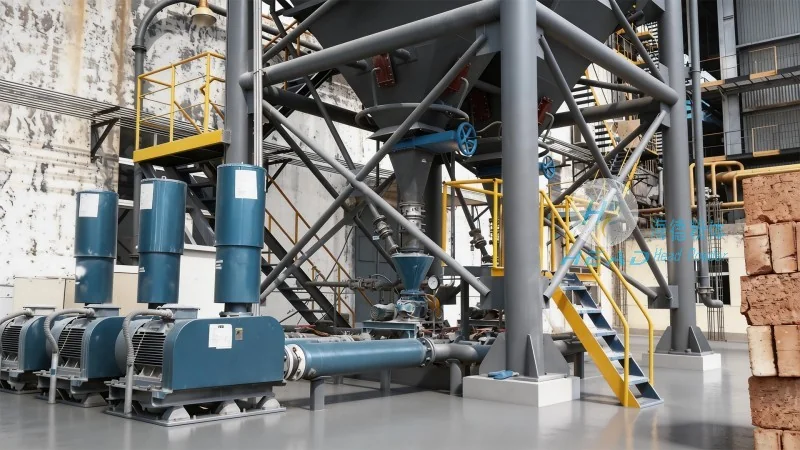
Company Profile: Shandong HeadPowder Engineering Co., Ltd.
HeadPowder, a leading provider of material handling solutions, specializes in designing and manufacturing customized conveying systems tailored to the unique needs of limestone processing industries. With years of experience and a dedication to quality, HeadPowder delivers robust and efficient solutions that enhance operational performance. The company's headquarters is located in Shandong, China, where it leverages advanced technology and expert engineering to develop cutting-edge material handling equipment.
1. Belt Conveyor System: A Widely Used Conveying Method
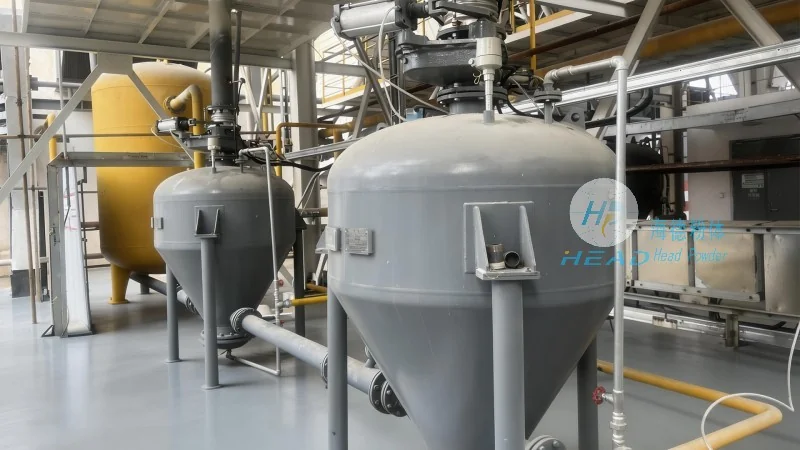
Belt conveyors are one of the most common and versatile methods for transporting limestone. They consist of a continuous loop of belt that moves material from the loading point to the discharge point. The primary advantage of belt conveyors is their high capacity and ability to transport materials over long distances with minimal maintenance. They are particularly suitable for bulk limestone handling in open-pit mines and processing plants. However, belt conveyors may encounter challenges with abrasive materials like limestone, which can cause wear and tear on the belt and pulleys over time. Regular maintenance and the use of durable materials are essential to ensure long-term reliability.
2. Bucket Elevator: Vertical Material Transport Solution
Bucket elevators are an ideal choice for vertical or inclined transport of limestone, especially when space is limited or when moving material between different levels of a facility. These systems use a series of buckets attached to a belt or chain that travels within a vertical or inclined casing. The main advantage of bucket elevators is their ability to transport material vertically with high efficiency and minimal space requirements. They are commonly used in cement plants to move limestone from stockpiles to grinding mills. However, bucket elevators have a lower capacity compared to belt conveyors and may require more frequent maintenance due to the mechanical components involved.
3. Screw Conveyor: Compact and Low-Profile Transport
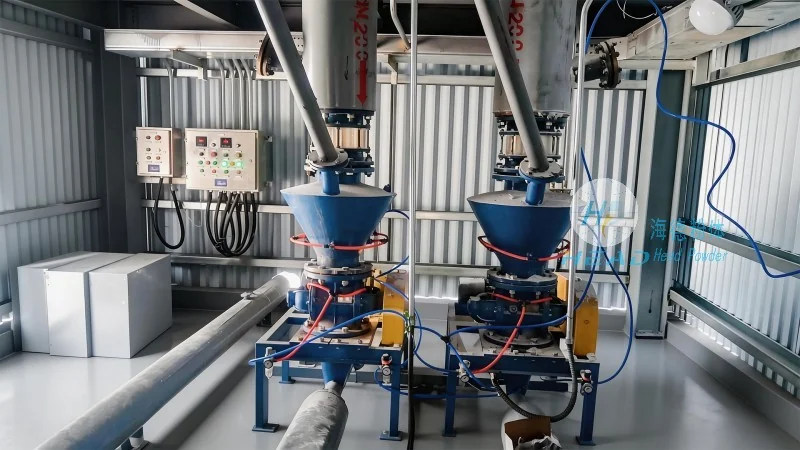
Screw conveyors, also known as auger conveyors, are compact and low-profile systems used for transporting limestone in horizontal or slightly inclined directions. They consist of a rotating screw inside a trough that moves material forward. The primary advantage of screw conveyors is their simplicity and low cost, making them suitable for small-scale or low-capacity applications. They are often used for feeding limestone into storage silos or processing equipment. However, screw conveyors have a lower capacity and are less efficient for transporting large quantities of material over long distances compared to other methods. They are also prone to material bridging and blockages, which can disrupt operations.
4. Pneumatic Conveying System: Air-Driven Material Transport
Pneumatic conveying systems use air pressure to transport limestone through a pipeline network. These systems are ideal for handling fine or dusty limestone, as they can transport material without direct contact, reducing wear and tear on equipment. The main advantage of pneumatic conveying is its ability to transport material over long distances with minimal maintenance and the ability to integrate with existing facilities. However, pneumatic systems require higher energy consumption compared to mechanical conveyors and may not be suitable for large, heavy limestone pieces. They are commonly used in chemical and food processing industries but may not be the best choice for bulk limestone transport.
5. Comparison of Conveying Methods: Key Factors to Consider
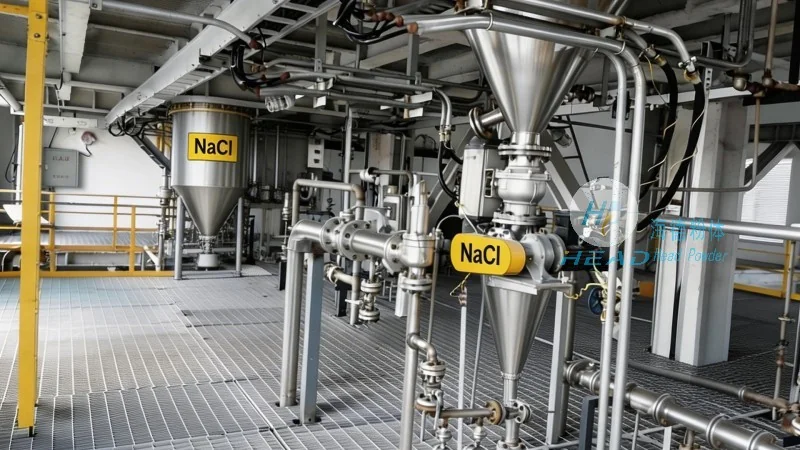
When selecting a limestone conveying method, several factors must be considered to ensure optimal performance and cost-effectiveness. The distance and layout of the facility are critical, as different methods are better suited for horizontal, vertical, or inclined transport. Material characteristics, such as size, moisture content, and abrasiveness, also play a significant role. For example, belt conveyors are ideal for long horizontal distances, while bucket elevators are preferred for vertical transport. Operational requirements, including capacity, speed, and maintenance needs, should also be evaluated. HeadPowder offers customized solutions that consider these factors to provide the most suitable conveying system for each application.
Conclusion: Choosing the Right Limestone Conveying Method
Selecting the appropriate limestone conveying method is a critical decision that impacts the efficiency and profitability of industrial operations. By understanding the advantages and disadvantages of each method, operators can make informed choices that align with their specific needs. HeadPowder, with its expertise and commitment to quality, provides reliable and efficient conveying solutions tailored to the unique requirements of limestone processing. Whether using belt conveyors, bucket elevators, screw conveyors, or pneumatic systems, HeadPowder ensures that the chosen method maximizes productivity while minimizing operational costs. For more information on limestone conveying solutions, contact Shandong HeadPowder Engineering Co., Ltd. in Shandong, China.

 Shandong Headpowder Engineering Co., Ltd.
 156-6277-7102(Quản lý Trương)
  0531-83386006
  Thành phố Tế Nam, Tỉnh Sơn Đông, Trung Quốc
Điện thoại
WeChatTư vấn
Lên đầu