Với hơn 10 năm kinh nghiệm về vận chuyển khí nén, Headpowder Sơn Đông cung cấp hệ thống, thiết bị và quạt gió toàn chuỗi, đảm nhận các dự án kỹ thuật bột trọn gói trên toàn quốc.
Dolomite, a calcium magnesium carbonate mineral, is widely used in various industrial applications such as construction, chemical manufacturing, and environmental remediation. Efficient and reliable material handling is crucial for optimizing production processes and ensuring consistent quality. This article provides a detailed comparison of common dolomite conveying methods, focusing on their advantages and disadvantages to help industrial operators make informed decisions.
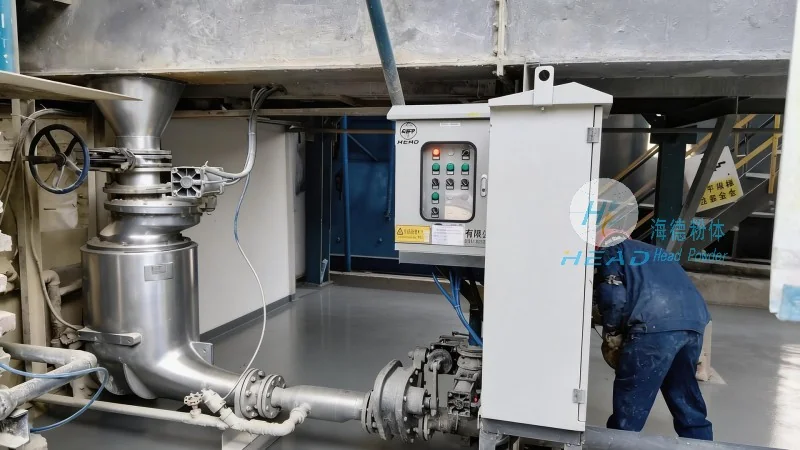
1. Belt Conveyor System for Dolomite Transport
One of the most common and versatile methods for dolomite transport is the belt conveyor system. This technology uses a continuous loop of rubber or fabric belt to move material from one point to another. The system typically consists of a drive unit, idlers, and a hopper or loading chute. The belt conveyor is particularly effective for transporting large volumes of dolomite over short to medium distances, making it suitable for bulk material handling in mining and processing plants.
Advantages of belt conveyors include high capacity, low maintenance costs, and the ability to handle a wide range of material sizes and shapes. They are also relatively easy to install and can be customized to fit specific site requirements. Additionally, belt conveyors can operate continuously for long periods without frequent stops, enhancing overall productivity.
However, belt conveyors have some limitations. They are not suitable for steep inclines or vertical lifts, as this can lead to material spillage and increased wear on the belt. The system also requires regular cleaning and maintenance to prevent material buildup and belt degradation. Furthermore, belt conveyors may not be ideal for transporting fine or powdery dolomite, as the material can cause the belt to slip or degrade faster.
2. Screw Conveyor for Dolomite Handling
Screw conveyors, also known as auger conveyors, are another popular method for dolomite transport. This system uses a rotating screw or helical blade to move material along a trough. The screw is typically made of stainless steel or other corrosion-resistant materials to withstand the abrasive nature of dolomite.
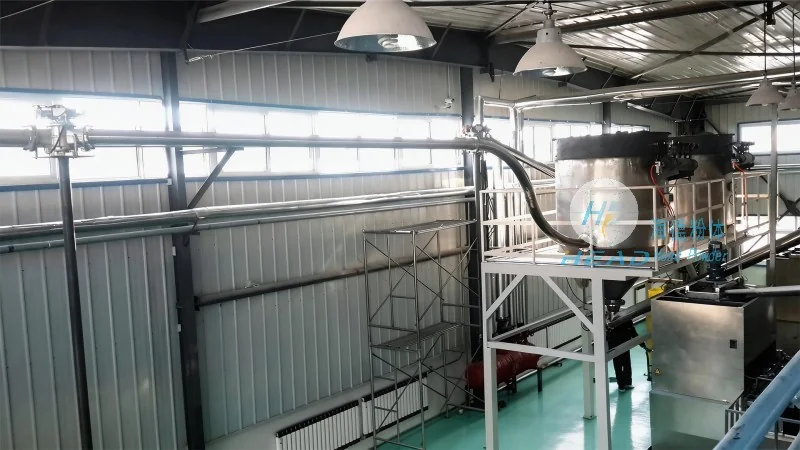
The screw conveyor is well-suited for horizontal or slightly inclined transport of dolomite, especially in applications where space is limited. It is particularly effective for handling dry, free-flowing materials and can be used to elevate material to a higher level. The system is also relatively simple in design, making it easy to install and maintain.
Advantages of screw conveyors include their compact size, low power consumption, and ability to handle fine or powdery dolomite without the need for additional equipment. They are also suitable for transporting materials in a controlled manner, reducing the risk of spillage or dust generation. Screw conveyors can operate in various environments, including dusty or wet conditions, making them versatile for different industrial settings.
Nevertheless, screw conveyors have some drawbacks. They are not suitable for transporting large or bulky dolomite pieces, as the screw may get clogged or damaged. The system also has a lower capacity compared to belt conveyors, making it less efficient for high-volume applications. Additionally, screw conveyors may experience wear and tear on the screw blade over time, requiring regular replacement to maintain performance.
3. Pneumatic Conveying System for Dolomite Transport
Pneumatic conveying systems use air or other gases to transport dolomite particles through a pipeline. This method is particularly effective for handling fine or powdery dolomite, as it can transport material over long distances without the need for multiple transfer points. The system typically consists of a blower, a hopper, and a pipeline with appropriate fittings and valves.
The pneumatic conveying system is ideal for applications where dust control is a priority, as the material is contained within the pipeline. It is also suitable for transporting dolomite to elevated storage silos or processing units. The system can operate in a closed loop, reducing the risk of environmental contamination and improving safety in the workplace.
Advantages of pneumatic conveying include its ability to transport material over long distances, high efficiency in handling fine materials, and reduced labor costs due to automated operation. The system also allows for precise control of material flow, enabling better process control and quality management. Pneumatic conveying is particularly effective for applications where hygiene is critical, such as in food or pharmaceutical industries.
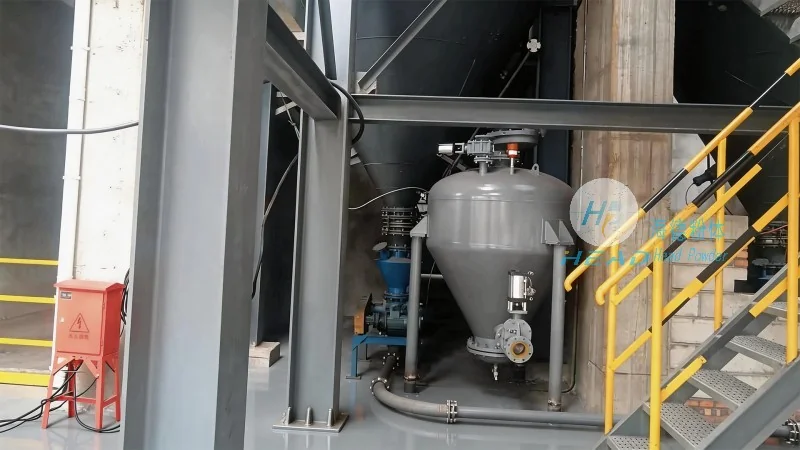
However, pneumatic conveying has some limitations. It requires a significant amount of energy to operate, as the blower must generate sufficient air pressure to move the material. The system also has a higher initial cost compared to other conveying methods, due to the need for specialized equipment and pipeline installation. Additionally, the system may experience pressure drops over long distances, reducing the capacity and efficiency of material transport.
4. Comparison and Selection Criteria
When selecting a dolomite conveying method, several factors should be considered to ensure optimal performance and cost-effectiveness. The choice of system depends on the specific application, material characteristics, and operational requirements. Key factors include the volume of material to be transported, the distance and elevation changes, the material's physical properties (such as size, shape, and moisture content), and the available space and budget.
For large volumes over short to medium distances, belt conveyors are often the most cost-effective option. They offer high capacity and low maintenance costs, making them suitable for bulk material handling in mining and processing plants. Screw conveyors are ideal for horizontal or slightly inclined transport of dry, free-flowing materials in confined spaces. They are particularly effective for handling fine or powdery dolomite and can operate in various environments.
Pneumatic conveying systems are best suited for applications requiring long-distance transport of fine or powdery dolomite, especially where dust control and hygiene are critical. They offer high efficiency and precise control but require a significant amount of energy and have a higher initial cost.
Industrial operators should also consider the durability and maintenance requirements of each system. Belt conveyors and screw conveyors have lower maintenance costs but require regular inspections and component replacements. Pneumatic conveying systems may have higher maintenance costs due to the wear and tear on the blower and pipeline components.
Conclusion
Choosing the right dolomite conveying method is essential for optimizing industrial processes and ensuring efficient material handling. Each method has its own advantages and disadvantages, and the selection should be based on the specific application requirements and operational constraints. By carefully evaluating the factors mentioned above, industrial operators can select the most suitable conveying system to meet their needs and improve overall productivity.

 Shandong Headpowder Engineering Co., Ltd.
 156-6277-7102(Quản lý Trương)
  0531-83386006
  Thành phố Tế Nam, Tỉnh Sơn Đông, Trung Quốc
Điện thoại
WeChatTư vấn
Lên đầu