Với hơn 10 năm kinh nghiệm về vận chuyển khí nén, Headpowder Sơn Đông cung cấp hệ thống, thiết bị và quạt gió toàn chuỗi, đảm nhận các dự án kỹ thuật bột trọn gói trên toàn quốc.
Pyrolysis carbon, a valuable byproduct from the pyrolysis process, requires efficient and reliable transportation methods to ensure its proper utilization in various industrial applications. The choice of transportation method depends on several factors, including the carbon's physical properties, the distance to be covered, and the specific requirements of the end-user. This article outlines the common methods used for pyrolysis carbon transportation, providing insights into their advantages and practical applications.
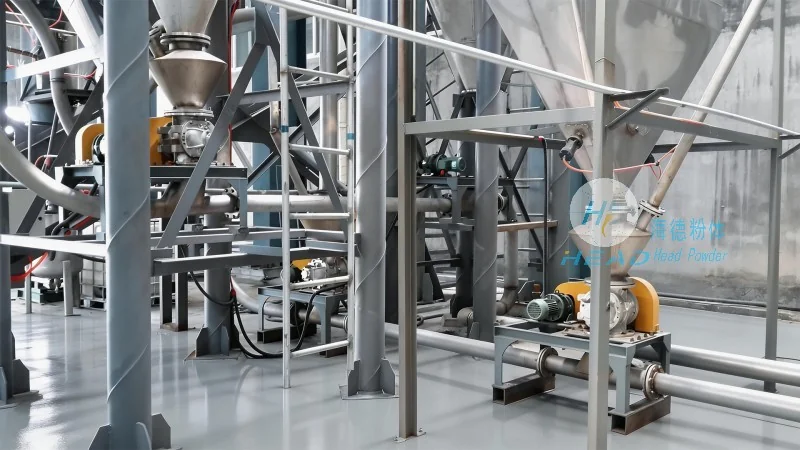
1. Bulk Handling and Truck Transportation
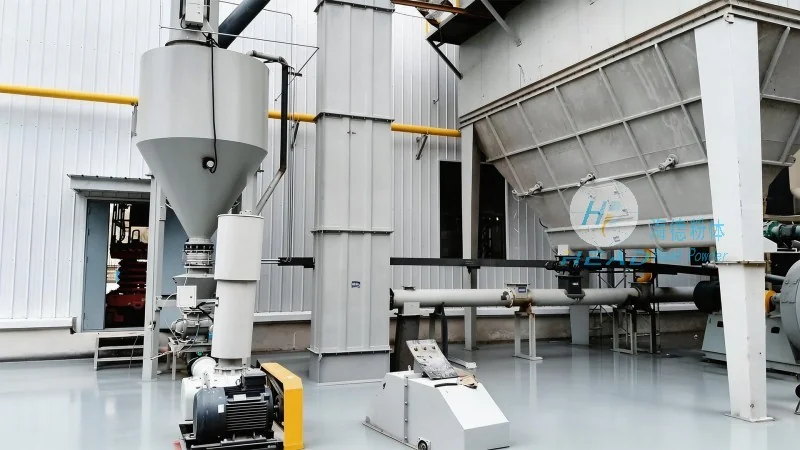
One of the most widely used methods for transporting pyrolysis carbon is bulk handling via trucks. This approach involves loading the carbon into bulk containers or trucks, which are then transported to the destination. The trucks are typically equipped with specialized equipment to handle the carbon's bulk nature, ensuring safe and efficient loading and unloading. This method is particularly suitable for short to medium distances and is commonly used by companies like Shandong HeadPowder Engineering Co., Ltd., which operates in the region of China. The use of trucks allows for flexibility in delivery schedules and can accommodate varying quantities of pyrolysis carbon, making it a versatile option for industrial clients.
2. Rail Transportation
For longer distances and larger volumes of pyrolysis carbon, rail transportation emerges as a cost-effective and environmentally friendly option. The carbon is loaded into railcars, which are then transported along railway networks to the intended location. This method is particularly advantageous when dealing with high volumes, as it reduces the number of trips required compared to truck transportation. Rail transport also minimizes road congestion and carbon emissions, aligning with sustainable practices. Companies like Shandong HeadPowder Engineering Co., Ltd. may utilize rail services to transport pyrolysis carbon from their facilities in Shandong, China, to clients across the country or neighboring regions.
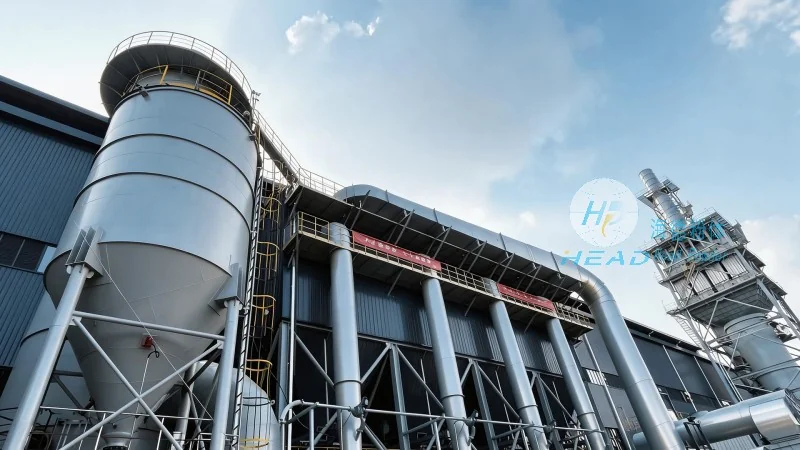
3. Waterway and Barge Transportation
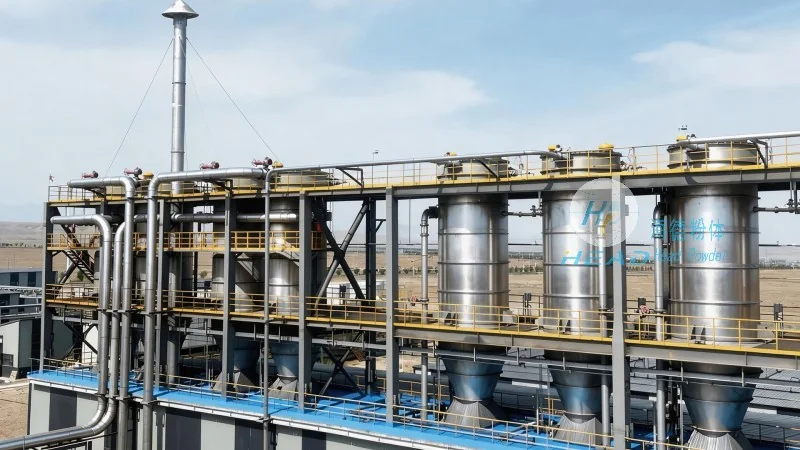
Waterway transportation, involving barges or ships, is another common method for pyrolysis carbon transportation, especially when the destination is near a water body or a port. The carbon is loaded into containers or directly onto barges, which are then navigated to the port or the final destination. This method is ideal for bulk shipments and can handle very large volumes of pyrolysis carbon. It is often used for international or long-distance transport, where the cost per unit is lower compared to truck or rail. The use of waterway transportation can also help in reducing the overall carbon footprint of the supply chain, as it involves less energy consumption per ton-mile compared to road transport. Shandong HeadPowder Engineering Co., Ltd., based in China, may utilize this method for shipments destined for coastal areas or international markets.
4. Specialized Bulk Transport Equipment
In addition to traditional truck, rail, and waterway methods, specialized bulk transport equipment is also employed for pyrolysis carbon transportation. These include hopper cars, bulk carriers, and specialized trucks with bulk loading systems. These equipment are designed to handle the specific characteristics of pyrolysis carbon, such as its density and flowability. The use of specialized equipment ensures that the carbon is transported without spillage or contamination, maintaining its quality and usability. This method is particularly important for high-value pyrolysis carbon products that require careful handling. Companies operating in the pyrolysis industry, including Shandong HeadPowder Engineering Co., Ltd., invest in such equipment to enhance the efficiency and safety of their transportation processes.

 Shandong Headpowder Engineering Co., Ltd.
 156-6277-7102(Quản lý Trương)
  0531-83386006
  Thành phố Tế Nam, Tỉnh Sơn Đông, Trung Quốc
Điện thoại
WeChatTư vấn
Lên đầu